|
Getting your Trinity Audio player ready...
|
Why professional photographers are paid for their judgment, preparation, and the problems they prevent
Some of the most valuable work I do as a professional photographer never makes it into the photographs I deliver.
The camera that didn’t fail.
The moment I didn’t miss.
The lighting problem the client never knew existed.
The equipment I brought but never needed.
The schedule conflict I anticipated before it became a problem.
When everything goes smoothly, the client sees beautiful photographs and assumes that’s what they paid for.
But what they don’t see may be just as valuable.
The Power of Preventing Something From Happening
I was recently listening to historian Dr. Sarah Paine in a conversation about war, history, leadership, and the decisions that shape our world.
She introduced a concept that immediately caught my attention: negative objectives.
Most of us think about success in terms of something we accomplish.
We finish a project. We win a contract. We deliver photographs. We solve a problem.
Those are positive objectives. We can point to the results.
But Paine explained that negative objectives are about preventing something undesirable from happening.
She used the example of a parent holding a child’s hand while walking along a busy street.
How many times did that parent prevent the child from running into traffic?
We don’t know.
Nothing happened.
And that was precisely the point.
The parent succeeded because the disaster never occurred.
Paine was talking about national security and governments’ responsibility to prevent catastrophes, but I immediately saw the connection to professional photography.
Some of our greatest successes are the problems our clients never experience.
What Clients See and What They Don’t
When a client hires me to photograph an event, they see me arrive with cameras and equipment.
They see me moving around the room, making photographs, and occasionally setting up lights.
Later, they receive the images.
What they may not realize is how much work happened before I ever arrived.
I reviewed the schedule to identify the most important moments.
I considered where the lighting might create problems.
I considered which lenses would let me work without constantly changing equipment.
I charged batteries, prepared memory cards, and brought backup gear.
I planned my arrival time to allow for traffic, parking, unloading, and setup.
I considered what might happen if something failed.
None of those preparations guarantee that everything will go perfectly.
But each one reduces the possibility that something will go wrong.
And that’s part of what a professional brings to an assignment.
Experience Doesn’t Mean You Never Make Mistakes
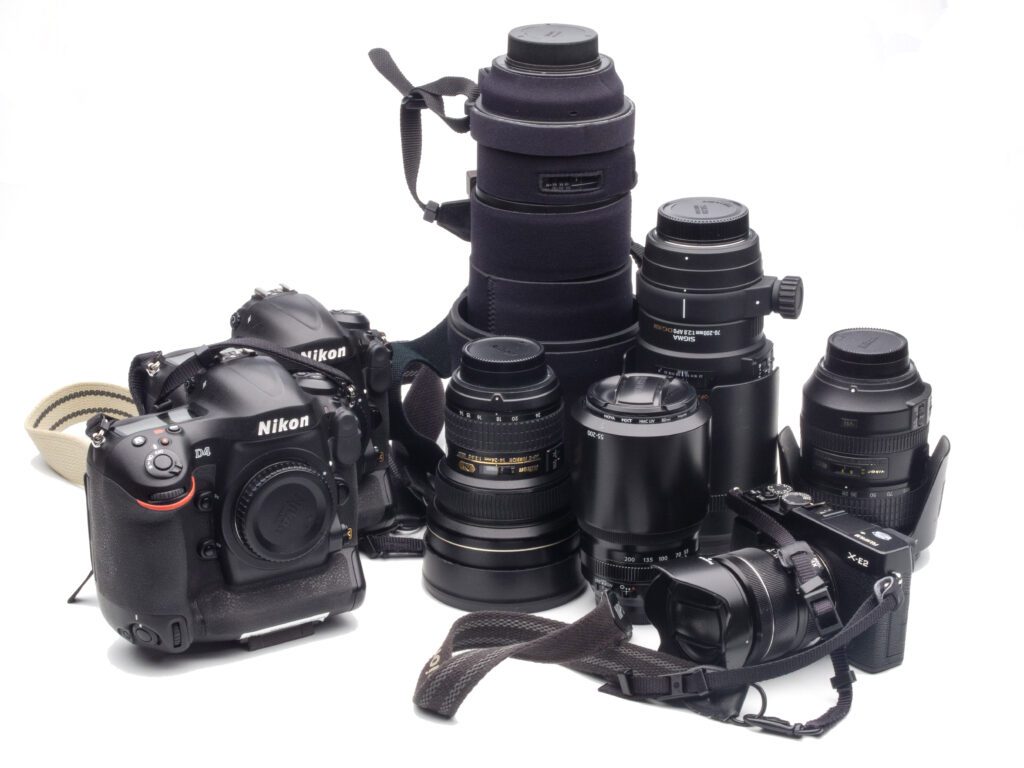
I recently wrote about an assignment where I arrived without my on-camera flashes.
They were packed. I simply hadn’t loaded the bag into the car.
Then I discovered that I was also missing the cable needed to connect my DJI Mic 2 wireless microphone receiver to the camera.
Two mistakes on the same assignment.
Fortunately, I had brought my Flashpoint XPLOR 600 studio strobe, so I still had a lighting solution.
The DJI Mic 2 could record audio internally, so I could sync the recording with the video later.
The client received the finished work.
But I created unnecessary problems for myself.
That experience reminded me of something important.
Experience helps us recover from problems. Preparation helps us prevent them.
Both matter.
I’ve spent decades learning how to solve problems when things go wrong. But that doesn’t mean I should depend on improvisation when a checklist could have prevented the problem in the first place.
A professional isn’t someone who never makes mistakes.
A professional develops systems, learns from mistakes, and continually reduces the chances of repeating them.
The Moment That Only Happens Once
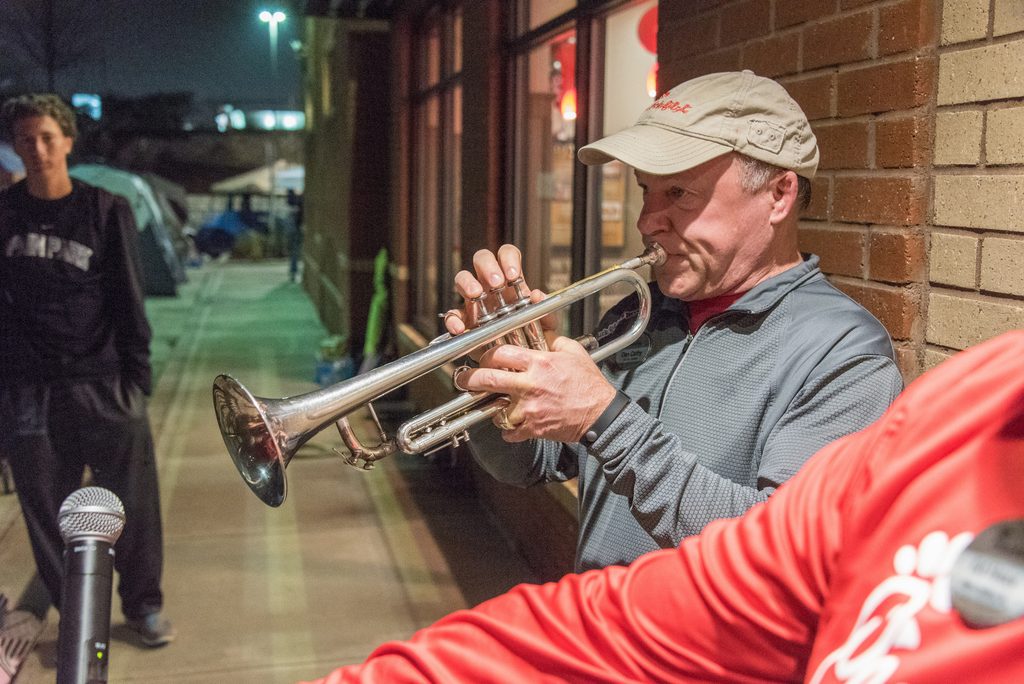
Event photography has another challenge.
Some moments cannot be recreated.
The award recipient hearing their name announced.
The bride and groom exchanging vows.
The CEO embracing an employee after recognizing years of service.
The spontaneous laughter during a speech.
The expression on someone’s face when they realize they have been honored.
If I miss those moments, I cannot simply ask everyone to do them again.
That’s why I study the schedule.
That’s why I try to learn about surprises before they happen.
That’s why I think about where I need to stand before the moment unfolds.
And that’s why knowing people and understanding an event’s purpose can be just as important as knowing my camera.
I don’t want to be figuring out my settings when the decisive moment arrives.
I want to be ready.
When I succeed, nobody notices the photograph that almost wasn’t taken.
They simply have the photograph they needed.
Preparation Is About More Than Equipment
The longer I’ve worked as a photographer, the more I’ve realized that preparation isn’t simply checking cameras, lenses, batteries, and memory cards.
It’s also understanding the client.
What is this event really about?
Who are the people who matter most?
What is the organization trying to communicate?
How will these photographs be used?
What would disappoint the client if I failed to capture it?
Sometimes the most important thing I do is ask a question before the assignment.
That question may reveal a moment that wasn’t included in the schedule.
It may uncover a communication objective the client hadn’t fully explained.
Or it may help us recognize that the photographs they originally requested won’t accomplish what they actually need.
Preventing the wrong photographs from being made can be just as valuable as making the right ones.
The Value of Experience Is Often Invisible
When people compare photographers, they sometimes focus on how many hours someone will be on location.
One photographer charges $500.
Another charges $1,500.
Both will be there for three hours.
Why the difference?
There can be many reasons, including experience, overhead, equipment, licensing, and the work involved before and after the assignment.
But one important difference may be the photographer’s ability to anticipate and prevent problems.
A less experienced photographer may not recognize a potential problem until it happens.
An experienced photographer may have recognized it days earlier and already developed a solution.
The client may never know the difference because nothing went wrong.
And that creates an interesting challenge for professionals.
How do you communicate the value of something that never happened?
I think the answer begins by helping clients understand our process.
We don’t need to overwhelm them with technical details.
But we can explain why we ask certain questions, why we need a schedule, why we arrive early, and why we sometimes recommend additional equipment or a second photographer.
These aren’t unnecessary expenses or inconveniences.
They protect the client’s investment.
The Best Professionals Make Difficult Work Look Easy
I’ve watched experienced professionals in many fields make incredibly difficult work look effortless.
A great musician performs without appearing to think about the notes.
An experienced pilot handles a flight so smoothly that passengers barely notice the complexity involved.
A skilled teacher anticipates where students will struggle and adjusts the lesson before confusion takes over.
And a professional photographer moves through an event, capturing the important moments without becoming a distraction.
What looks effortless is often the result of years of preparation, practice, and learning from mistakes.
The client sees the performance.
They rarely see everything that made the performance possible.
Don’t Confuse Nothing Happening With Nothing Being Done
This may be the most important lesson I took from listening to Dr. Paine.
We naturally recognize visible accomplishments.
We celebrate the problem someone solved.
But we often overlook the person who prevented the problem from occurring in the first place.
As photographers, we need to recognize that part of our value isn’t simply the photographs we create.
It’s also the confidence we give our clients.
They can focus on their event, their people, and their responsibilities because they trust us to handle the photography.
They don’t have to worry about whether we brought enough batteries.
They don’t have to wonder whether we know how to photograph a dark auditorium.
They don’t have to remind us that the most important person in the room is about to receive an award.
We’ve already thought about those things.
That peace of mind is part of what they’re paying for.
And sometimes the best evidence that we’ve done our job well is that nothing went wrong.
The photographs are the visible result. The preparation, judgment, and problems prevented are part of the invisible value behind them.
The next time someone asks what a professional photographer brings to an assignment, I hope we remember that the answer includes much more than cameras, lenses, and the time spent pressing the shutter.
Sometimes our most valuable work is what never happens.