|
Getting your Trinity Audio player ready...
|
Today I was at Chris and Rich Moeckel’s house, and the conversation drifted to deer. They and their neighbors see them constantly — deer in the yard, deer in the driveway, even a black bear wandering through from time to time. I mentioned that several of us who photograph wildlife regularly have gotten pickier about when we bother to lift the camera for a deer, because we simply see them so often anymore.
“You’ve gone nose blind to them,” Chris said.
I’d never heard the phrase used that way, so I looked it up — and it turns out the real story behind “nose blindness” is even more useful to photographers and storytellers than the joke my friend was making.
What “nose blindness” actually means
Nose blindness is the everyday name for olfactory adaptation. When your nose is exposed to the same smell continuously, the receptors that detect it send a weaker and weaker signal to the brain, and within minutes your brain files that scent as “background” and quits reporting it to you. It’s not that the smell goes away — it’s that your brain decides it no longer contains new information, so it stops wasting your attention on it.
Pamela Dalton, who has studied scent and memory for decades at the Monell Chemical Senses Center, has documented this rigorously: the longer and stronger the exposure, the more completely the brain suppresses it. It’s why you can’t smell your own house, your own perfume, or — as I found out from my own family — your own pets.
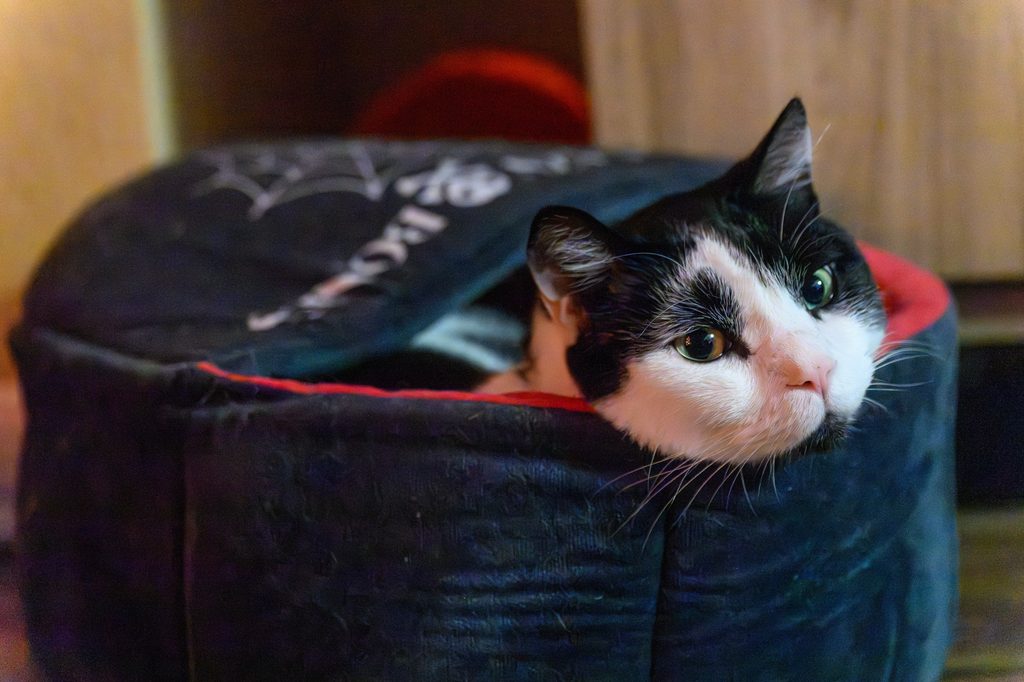
My daughter moved to Orlando and got a roommate. Both of them had cats, and in my daughter’s old apartment the cat smell was just part of life — she had gone nose blind to it. In the new place, though, they invested in a good air purifier, and now neither of them can smell the cats at all. The purifier didn’t just clean the air; it gave them back a sense they didn’t know they’d lost.
That’s the trap of adaptation: you can’t tell the difference between “there’s nothing here to notice” and “I’ve simply stopped noticing it.”
It’s not just your nose
The same mechanism runs through every sense, not just smell:
- Sight has an equivalent called change blindness — the well-documented phenomenon where people fail to notice even large changes in a scene right in front of them, because the brain stops actively scanning things it has already classified as familiar.
- Hearing does it too. Anyone who lives near a train track, a highway, or a loud HVAC unit will tell you they “don’t hear it anymore” — until a guest visits and asks how they sleep.
- And there’s a related idea from an entirely different field — fisheries science — called shifting baseline syndrome. Marine biologist Daniel Pauly coined it in 1995 after noticing that each new generation of fisheries scientists accepted the fish population at the start of their own career as “normal,” even though it was already far smaller than it had been a generation earlier. Pauly’s own example of this blindness, ironically, was people insisting there had “always” been this many deer in the forests of eastern North America—when there hadn’t. Each generation’s normal quietly resets, and nobody notices the slope of the decline because no one individual lives long enough to see the whole curve.
Smell fatigue happens in minutes. Shifting baselines happen over years or generations. But it’s the same brain doing the same thing: filtering out whatever has stopped changing, so it can pay attention to whatever might be new.
Why this matters for photographers and storytellers
Our whole job is noticing. And every mechanism above works directly against that job, because the longer we’re immersed in a place, a subject, or a life, the less our own eyes tell us is worth photographing.
A few places I’ve seen this play out:
You quit photographing the ordinary too soon. For years I’ve trained first-time missionaries preparing for their furlough presentations — the talks they give a few years after arriving on the field, to the churches and supporters who sent them. I always tell them the same thing: photograph everything in your first six months to a year, especially the things that feel too ordinary to bother with. The market stalls, the walk to language school, the way people greet each other. Because by month eighteen, all of that will have become invisible to them. They’ll have gone nose-blind to their own life, right when their audience back home would find it most fascinating.
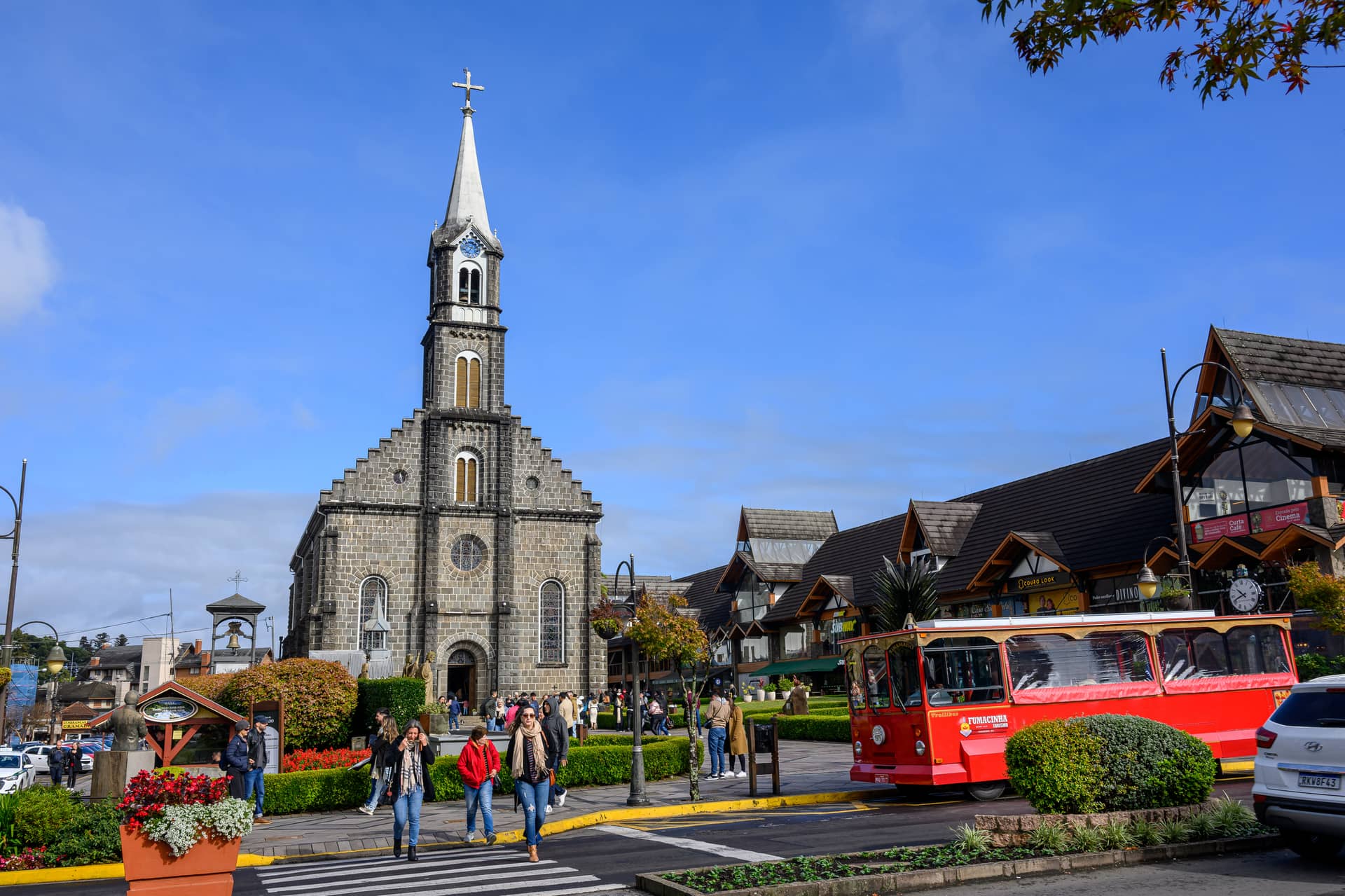
Local photographers stop seeing their own town. The landmark everyone drives past daily is the one nobody has a decent photograph of, because it’s always been there. Visiting photographers get the great shot of your city’s skyline or your neighborhood’s oldest church on their first afternoon, not because they’re more skilled, but because they haven’t adapted to it yet.
Long-term embeds lose their edge. A photojournalist who spends months with one family, one team, or one community can produce extraordinary intimacy — but can also drift into shorthand, photographing the same three angles because they’ve quietly decided they already know what the story looks like. The best documentary photographers build in deliberate resets: stepping away, then coming back with fresh eyes.
Writers stop hearing their own voice. The stock phrases and pet metaphors a writer leans on become invisible to the writer long before a reader ever notices them — the same way you can’t smell your own house.
Clients and family are the biggest blind spot of all. We’ll travel across the country to document a stranger’s story, but the everyday life happening in our own home goes unphotographed for years, because it never announces itself as remarkable. It’s remarkable. We’ve just adapted to it.

How to reset your baseline on purpose
You can’t turn off adaptation — it’s how brains work. But you can force a reset, the same way an air purifier gave my daughter her sense of smell back:
- Shoot your own town like a tourist. Give yourself an assignment to photograph the three most “obvious,” most photographed landmarks near you, as if you’d never seen them.
- Set a return interview. Come back to a long-term subject after two or three weeks away and ask yourself what a first-time visitor would notice that you no longer do.
- Keep a “first impressions” shot list for any new place, relationship, or assignment, and revisit it after you’ve been immersed for months — it will tell you exactly what you’ve gone blind to.
- Teach a beginner. Explaining your subject to someone seeing it for the first time is one of the fastest ways to notice what you stopped noticing.
- Photograph the mundane on a schedule, not on inspiration. Waiting until something feels remarkable enough to shoot guarantees you’ll miss the slow slide into normal. Document on a rhythm instead — the same week each month, the same walk each season — and let the comparison do the noticing for you.
The deer in my friend’s yard haven’t gotten less remarkable. I have. And the only real defense against that — for a photographer, a writer, or anyone trying to tell the truth about a place or a life — is building in a deliberate way to notice what your own brain has quietly decided isn’t worth noticing anymore.