
|
Getting your Trinity Audio player ready...
|
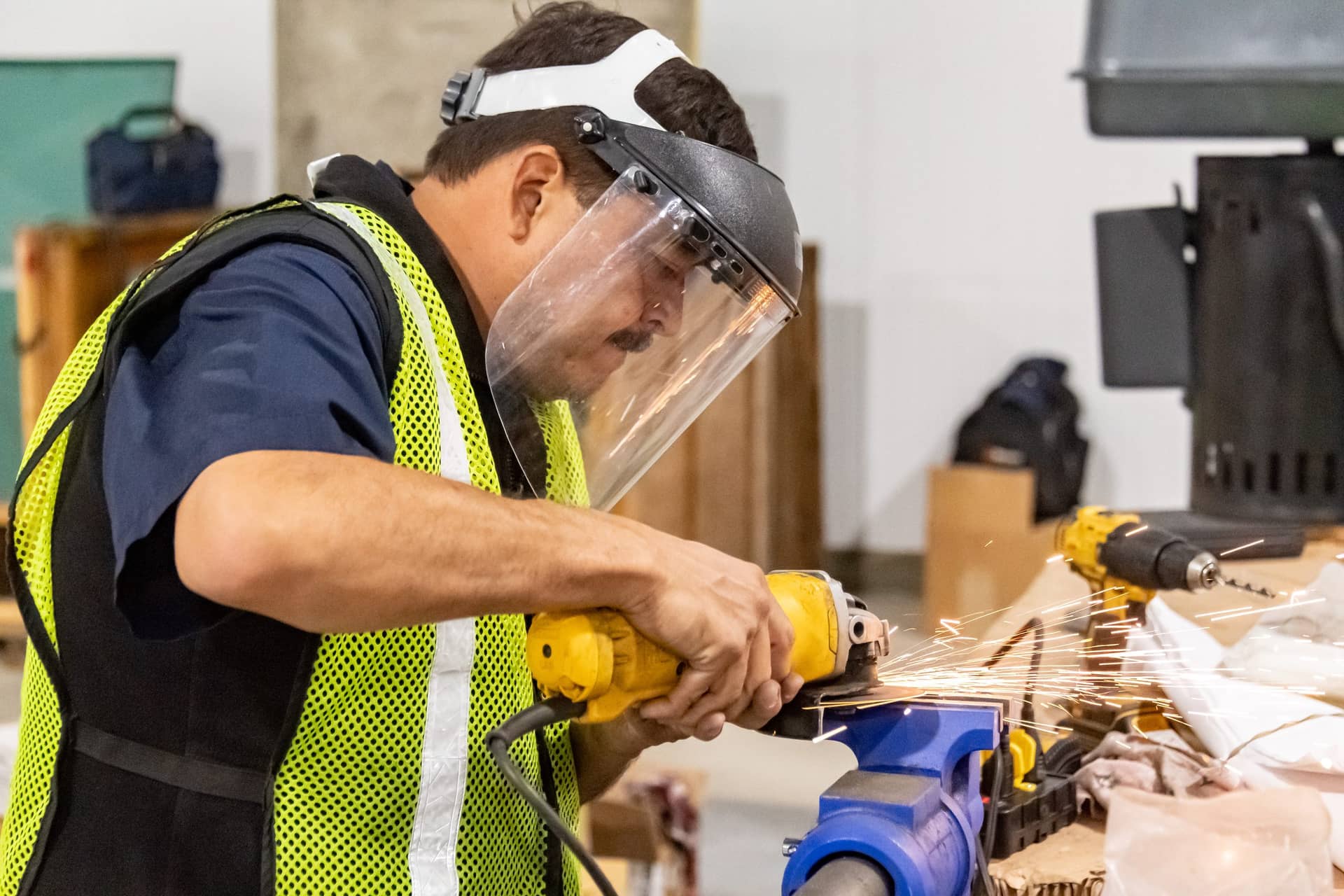
A posed portrait shows what someone looks like. A photo of them working shows who they are. Here’s how to introduce the people in your story.
Back in March 2014, I wrote a short post called “Storytelling Involves Characters.” The advice was simple: when you introduce someone in a story, show them doing something. The technology has changed since then, but the lesson hasn’t. I still see people skip it on company websites, in annual reports, and on “Meet the Team” pages.
The portrait problem
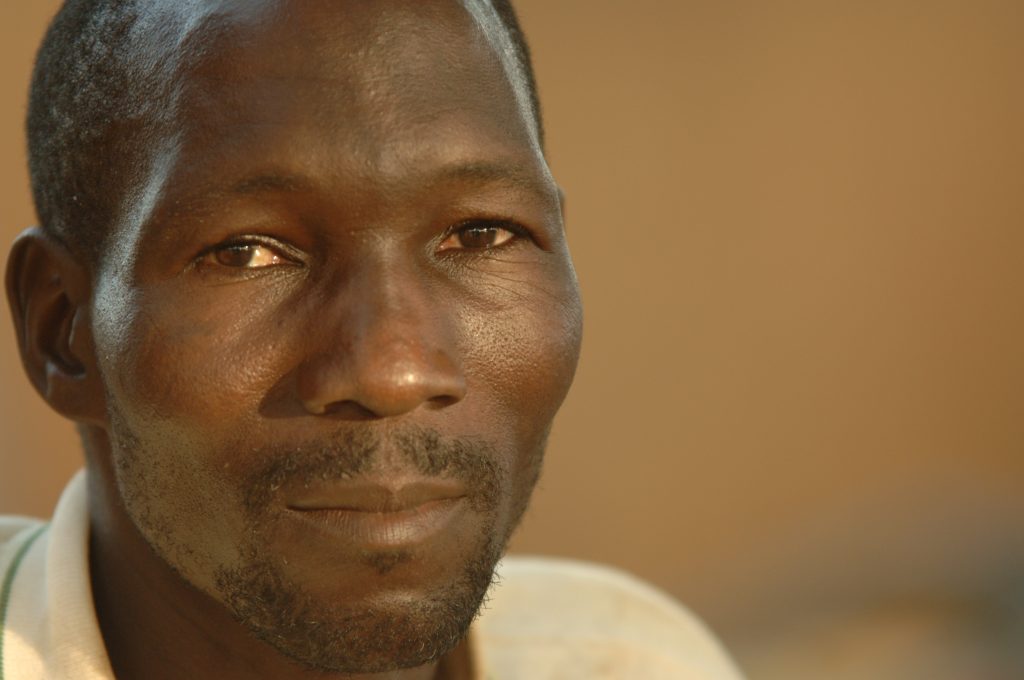
A posed portrait can be beautiful. But when a person looks at the camera, the audience learns what they look like and almost nothing else. The story then has to rely on the writer telling us who this person is, because the photo isn’t showing us.

Action carries the introduction
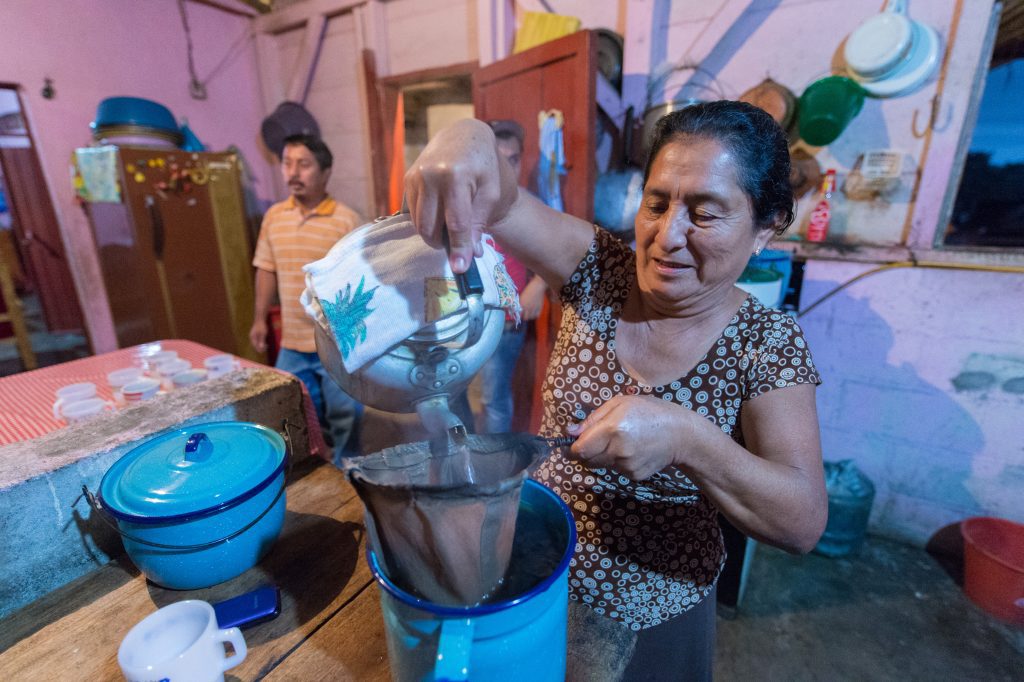
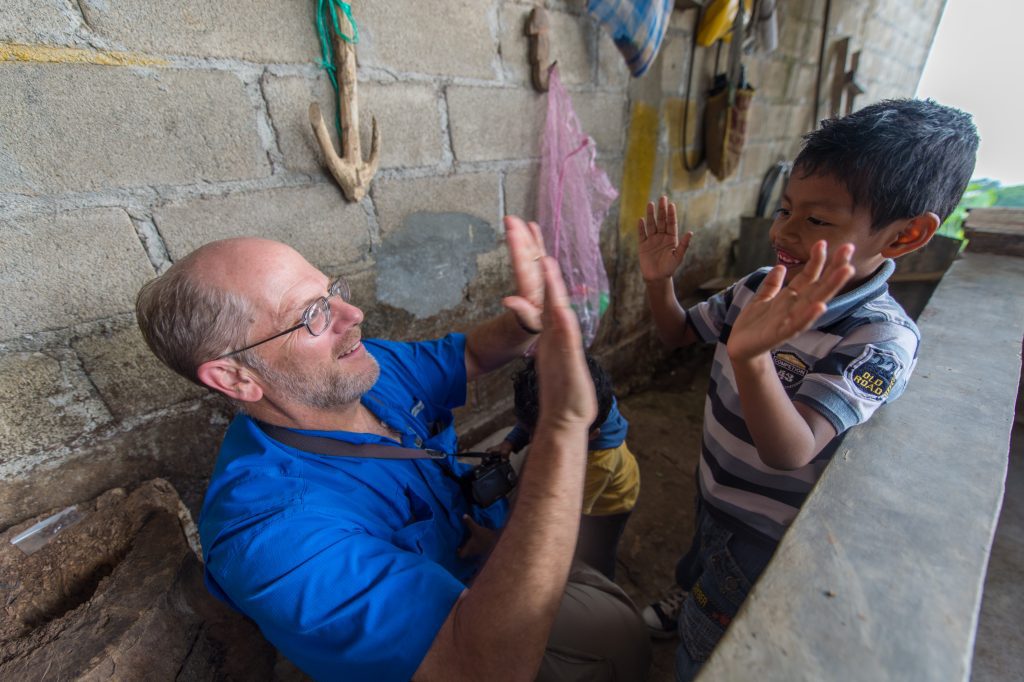
When I photographed the Just Coffee Cooperative in Chiapas, Mexico, the story was that the co-op’s success depends on coffee drinkers getting to know the people who grow their coffee. Every character had to be introduced in a way that served that idea.

Even the “serious” stories work this way
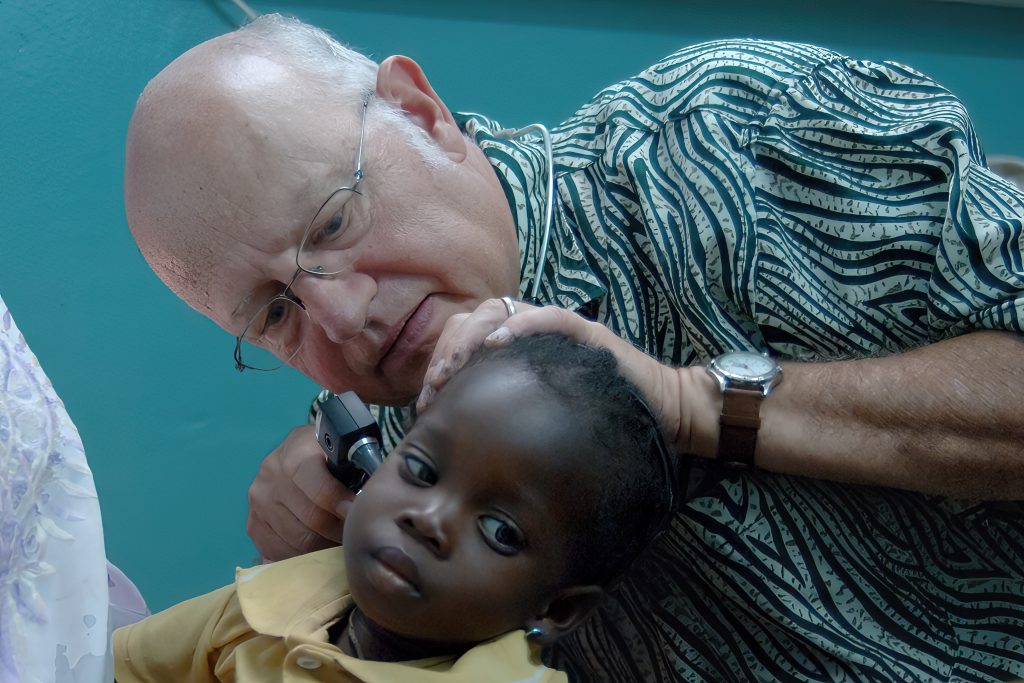
In Nalerigu, Ghana, I photographed a story about recruiting doctors for the Baptist Medical Center. When I visited, the hospital had only two. Rather than posing them in front of a wall, I introduced them at work: a volunteer pediatrician from Arizona seeing patients, and the hospital’s only surgeon in the operating theatre with his assistant. The photos made the need visible.
It works for lighter stories too. Two operators at State and Lake In-Line competing to move an Oreo from forehead to mouth show you more about that company’s culture than a lineup of smiling faces. And an archbishop caught in the middle of the Eucharist introduces the role in a way a formal portrait never would.


What this means for your business or organization
If you’re planning photography for your website, your annual report, or a fundraising campaign, don’t ask people to stand still and smile. Start with these questions:
- What does this person do that shows why someone would trust them? Photograph that.
- Who are they doing it with? A relationship in the frame says more than an individual alone.
- Where do they do it? The setting tells us about the work.
- Is there a moment of humor, focus, or care that only this team would produce? That’s the frame people remember.
Smiling portraits still have a place. A beautiful portrait can grab attention, but then the audience asks, “What’s the story?” Use the posed portrait as a last resort, and let the visuals do the introducing.
Show, don’t tell.
If you’re planning photography for your organization and want the people in it introduced through action instead of poses, let’s talk.


