|
Getting your Trinity Audio player ready...
|
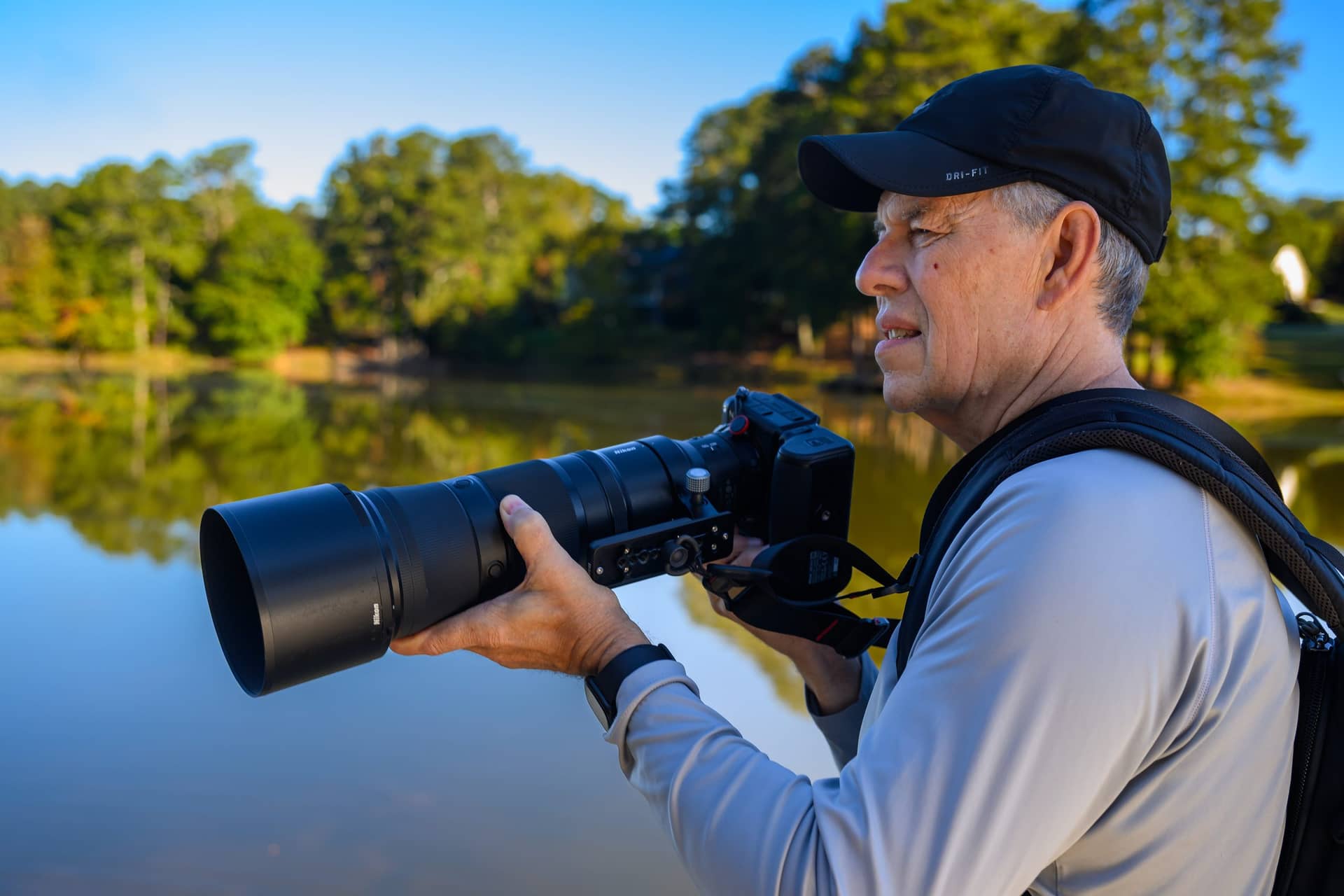
Gibbs Frazeur doesn’t just show up and shoot — he studies the light, the water, the way a place breathes before he ever lifts the camera. And when the frame isn’t quite there yet, he comes back. And back again. Because the best moments don’t wait for the unprepared; they reward the patient.
A lesson I wrote about in 2013 has become even more important in 2026.
In 2013, I wrote a blog post called “Photographers are hired for brains and not gear.”
The idea was pretty simple.
Clients don’t hire professional photographers because we own cameras. They hire us because of what we can do with those cameras.
Thirteen years later, that idea matters even more.

Everyone Has a Camera
Almost everyone carries a remarkably capable camera in their pocket.
Modern cameras can autofocus, recognize subjects, and make exposure decisions incredibly well. And now AI can help create, edit, and enhance images.
So if your value as a photographer is simply knowing how to operate a camera, you have a problem.
The technology keeps getting better.
But that’s not really new.
Even in 2013, I was being hired by clients who owned very good cameras and equipment.
I wasn’t bringing something they couldn’t buy.
I was bringing experience and ideas.
You’re Hired to Solve a Problem
A client might call and say:
“We need some headshots.”
“We need photographs for our website.”
“We need some social media content.”
But those are requests, not necessarily the real problem.
The real questions are:
Who needs to see these photographs?
What do they need to understand?
What should they feel?
What makes this organization or person worth paying attention to?
That’s where the photographer becomes more than someone who makes pictures.
We become problem solvers.

The Best Photographs Often Start Before You Pick Up the Camera
I’ve become increasingly convinced that the most important part of many assignments happens before I take a single photograph.
I need to ask questions.
What is the story?
What is important?
What hasn’t been said?
Where will the photographs be used?
What does the client really need?
Those answers determine what I photograph.
The camera comes later.
That’s why I’ve been writing more about asking better questions before picking up the camera.
The photograph is the result of the thinking.
Experience Changes What You See
I’ve learned that experience isn’t just knowing more camera settings.
It’s knowing what to look for.
I’ve photographed businesses, researchers, schools, churches, communities, sporting events, and countless ordinary people.
I’ve had assignments where the subject was obvious. I’ve also had assignments where I had to figure out how to photograph something I’d never seen before.
That builds a mental library.
You begin recognizing possibilities.
And sometimes you see a photograph that others don’t see because you’ve learned how to look.
AI Makes This Even More Important
I’m not worried that AI makes photography irrelevant.
But it does change the question.
If software can generate a beautiful image, remove distractions, and make technical corrections automatically, then technical execution alone becomes less of a differentiator.

Technical skill still matters. A lot.
But it’s a foundation—not the destination.
The harder question is:
What are you going to do with the technology?
Can you see something others don’t?
Can you ask a question the client hasn’t considered?
Can you make a complicated idea understandable?
Can you help someone feel comfortable enough to reveal something real?
Can you recognize the moment that matters?
That’s where human judgment becomes valuable.
What Do You Bring to the Table?
I ended my original 2013 article with a question:
“What do you bring to the table besides your camera and lighting gear?”
I’d expand that question today.
What do you bring besides:
- Camera?
- Lenses?
- Lighting?
- Editing software?
- AI tools?
What do you bring that helps someone communicate?
The camera doesn’t know what matters.
It doesn’t know why a moment is important.
It doesn’t ask the next question.
You do.
I still love cameras. I enjoy new technology, and I enjoy learning how to use it.
But the tools are not the point.
The camera is what you use. You bring your eyes, experience, curiosity, judgment, and relationships.
That’s why, even in 2026, I still believe:
Photographers are hired for brains, not gear.