|
Getting your Trinity Audio player ready...
|
What I learned in 2008 about professional relationships still matters in 2026.
Back in December 2008, I wrote a short blog post called “Be a Joiner.”
I was writing during another difficult economic period. Jobs were disappearing. Freelancers were losing clients. Organizations were cutting staff.
My advice was simple:
Don’t isolate yourself.
I encouraged photographers and other professionals to join organizations, volunteer, serve on committees, teach workshops, and become involved in their communities.
Reading that post again almost 18 years later, I still agree with the basic idea.
But I would change the title.
Today I would call it:
Don’t just build a network. Become useful to your network.
A membership card isn’t a relationship
Joining an organization and becoming part of a community are different.
You can pay your dues, put the organization on your LinkedIn profile, and never actually know another member.
That isn’t much of a network.
Relationships develop when people work together.
You help organize something. You introduce two people who should know each other. You volunteer. You teach something you know. You listen to someone else’s problem. You recommend another photographer when you aren’t available.
Over time, people learn something important about you:
They learn who you are and what you can contribute.
That is much more valuable than a name in a membership directory.
I have seen this happen throughout my career
Looking back over more than 40 years in photography and communication, some of the most important relationships in my career didn’t begin with someone hiring me.
They began because we were doing something together.
I’ve been involved with organizations such as ASMP and NPPA. I’ve taught photography. I’ve worked with students at YWAM. I’ve stayed connected with Georgia Tech. I’ve built relationships through photography organizations and through The Story Thread.
Sometimes those relationships led to work.
Sometimes they led to friendships.
Sometimes they led to somebody calling me because they needed help.
And sometimes the most important thing I could do was connect someone else with the person they needed to know.
That’s part of being useful.
One of the best examples is right here in Atlanta
If you are a photographer, photojournalist, visual storyteller—or someone who wants to get better at telling stories with pictures—an opportunity is coming up that illustrates exactly what I’m talking about.
The Atlanta Photojournalism Seminar will take place November 13–14, 2026, at the Hilton Atlanta Northeast in Peachtree Corners.
This will be the 54th consecutive year of the Seminar, an important gathering place for photojournalists and visual storytellers in the Atlanta area for decades.
And I don’t think the value of attending is simply hearing a bunch of photographers talk.
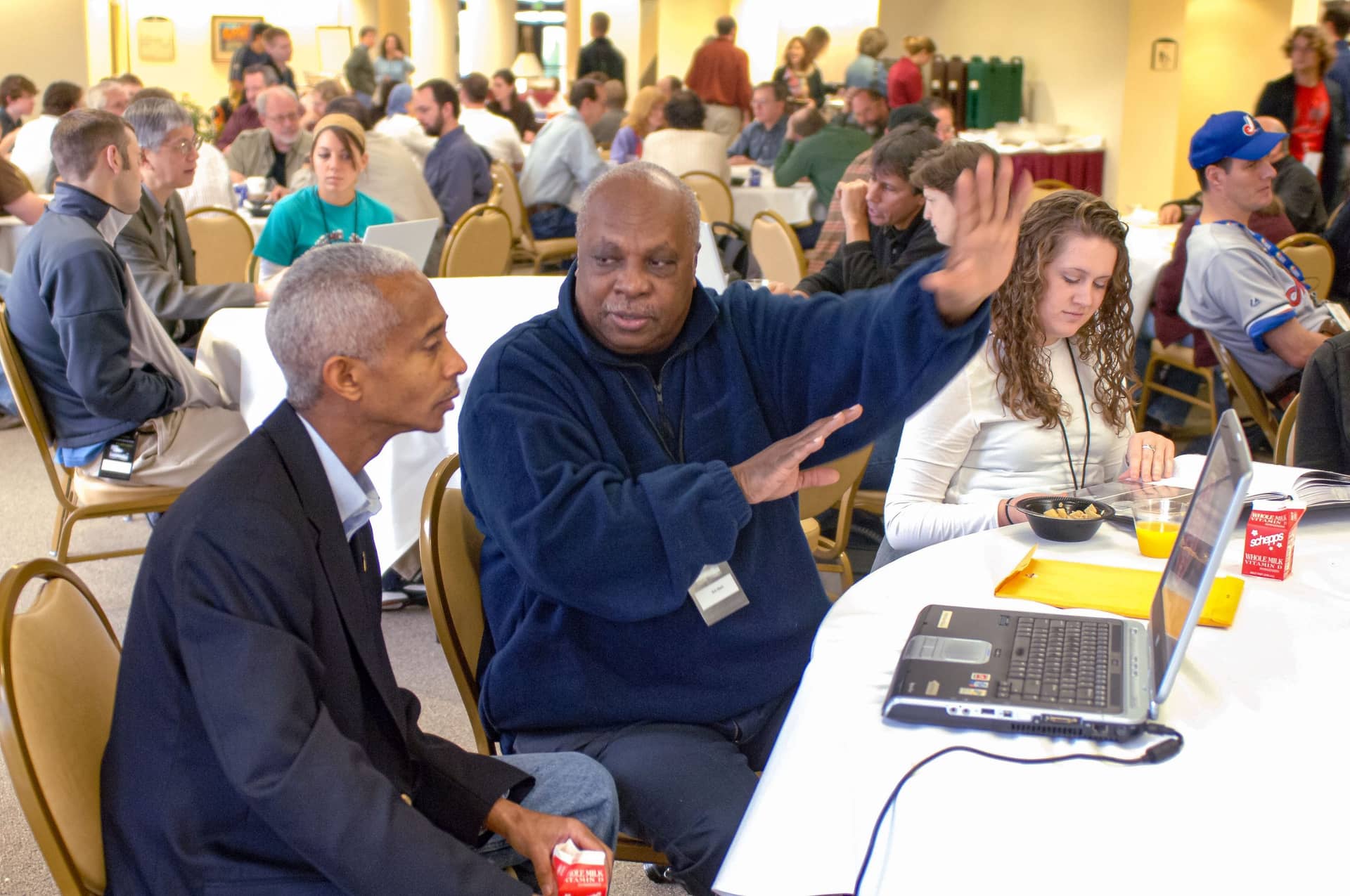
The Seminar brings together working photographers, visual journalists, editors, and others interested in documentary photography and photojournalism. It includes presentations, portfolio reviews, one-on-one coaching, opportunities to see other photographers’ work, and chances to meet people who care about visual storytelling.
That creates something more valuable than simply watching presentations.
It creates a place to participate.
I won’t be there this year.
There is a little irony in my encouraging you to attend this year.
I won’t be there.
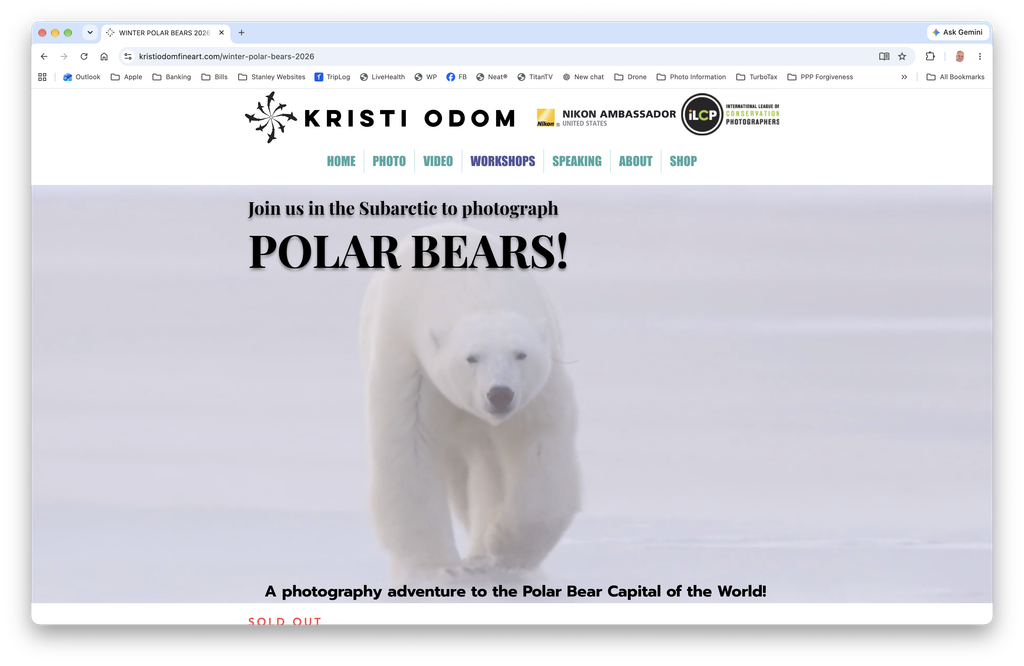
I’ll be away on a Polar Bear Workshop with my friend Mark.
And the workshop leader is someone who makes me think about this whole idea of relationships.
Her name is Kristi Odom.
Kristi was a student at Georgia Tech when I was on staff there. Today, she’s an accomplished photographer and educator leading workshops of her own.
I knew her as a student.
Now, years later, I’ll be learning from her.
That’s one of the things I love about photography communities.
The roles change. The relationships don’t have to.
The student becomes the teacher.
The person you once helped may eventually teach you something.
The person you met at a conference years ago may become a friend.
Someone you encouraged early in their career may one day invite you along on an adventure.
You don’t know where a relationship will lead.
And that’s exactly why you shouldn’t treat relationships as transactions.
Don’t just attend. Get involved.
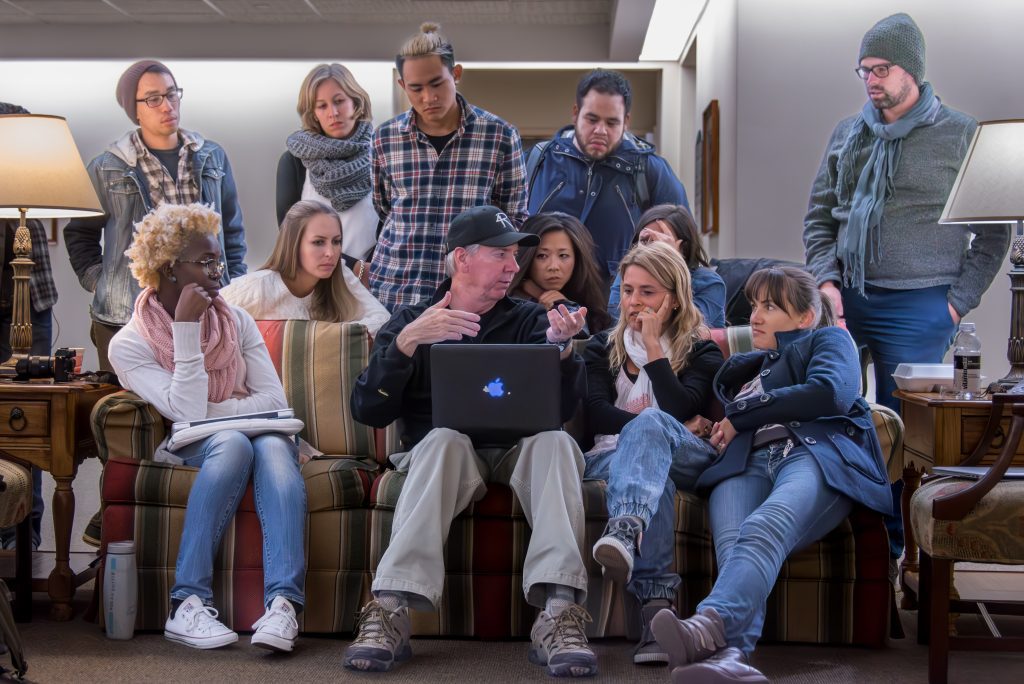
If you go to the Atlanta Photojournalism Seminar this year, I would encourage you to do more than sit in the back of the room and take notes.
Introduce yourself to someone.
Ask another photographer about their work.
Look at somebody else’s portfolio.
Show your own work to someone who will give you an honest critique.
Talk with an editor.
Visit the vendors.
Volunteer.
Buy someone a cup of coffee.
Find out what other photographers are working on.
And perhaps most importantly, look for ways you can help somebody else.
You don’t have to be the most experienced person in the room to be useful.
You might know how to light a portrait.
Someone else might understand video better than you do.
Another person might know how to navigate a particular publication.
Someone else might need a second photographer.
Another photographer might have an assignment they can’t take.
You may know someone who should meet someone else.
That’s how communities work.
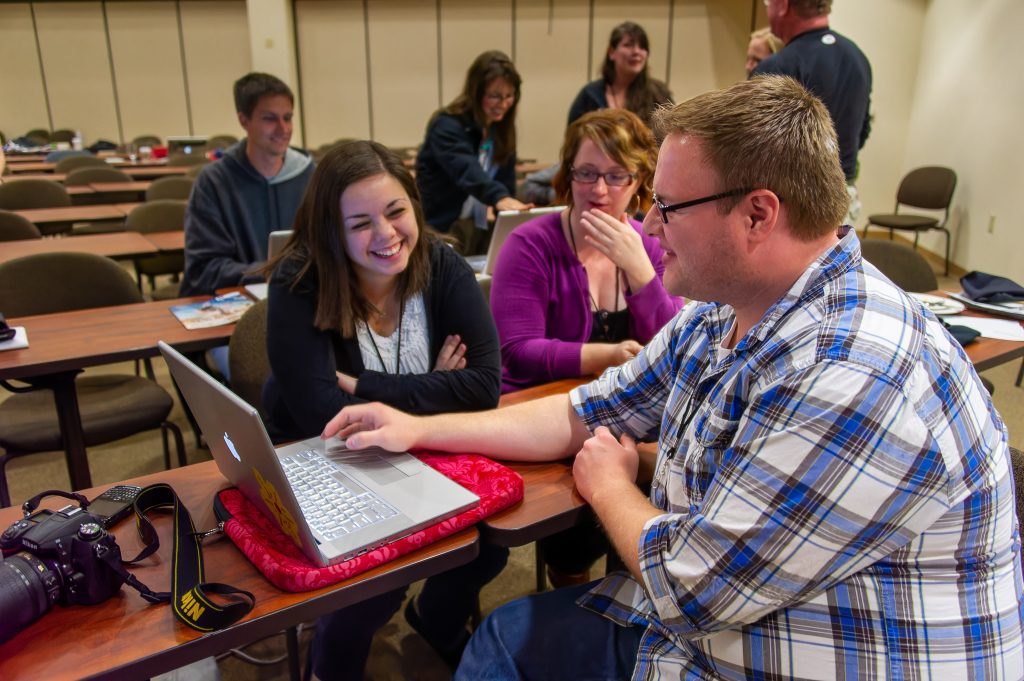
The people you meet today may matter years from now
One mistake I made early in my career was thinking of networking primarily as a way to find work.
Who might hire me?
Who knows an editor?
Who has an assignment?
Who can help me get through the door?
Those are understandable questions.
But there is a better question:
How can I become someone people are glad to know?
That changes the relationship.
Instead of asking, “What can this person do for me?” you start asking, “What can I contribute here?”
That might be your photography.
It might be your knowledge.
It might be your encouragement.
It might be an introduction.
It might simply be showing up when other people need someone.
Over time, those contributions become your reputation.
Your network is bigger than your profession
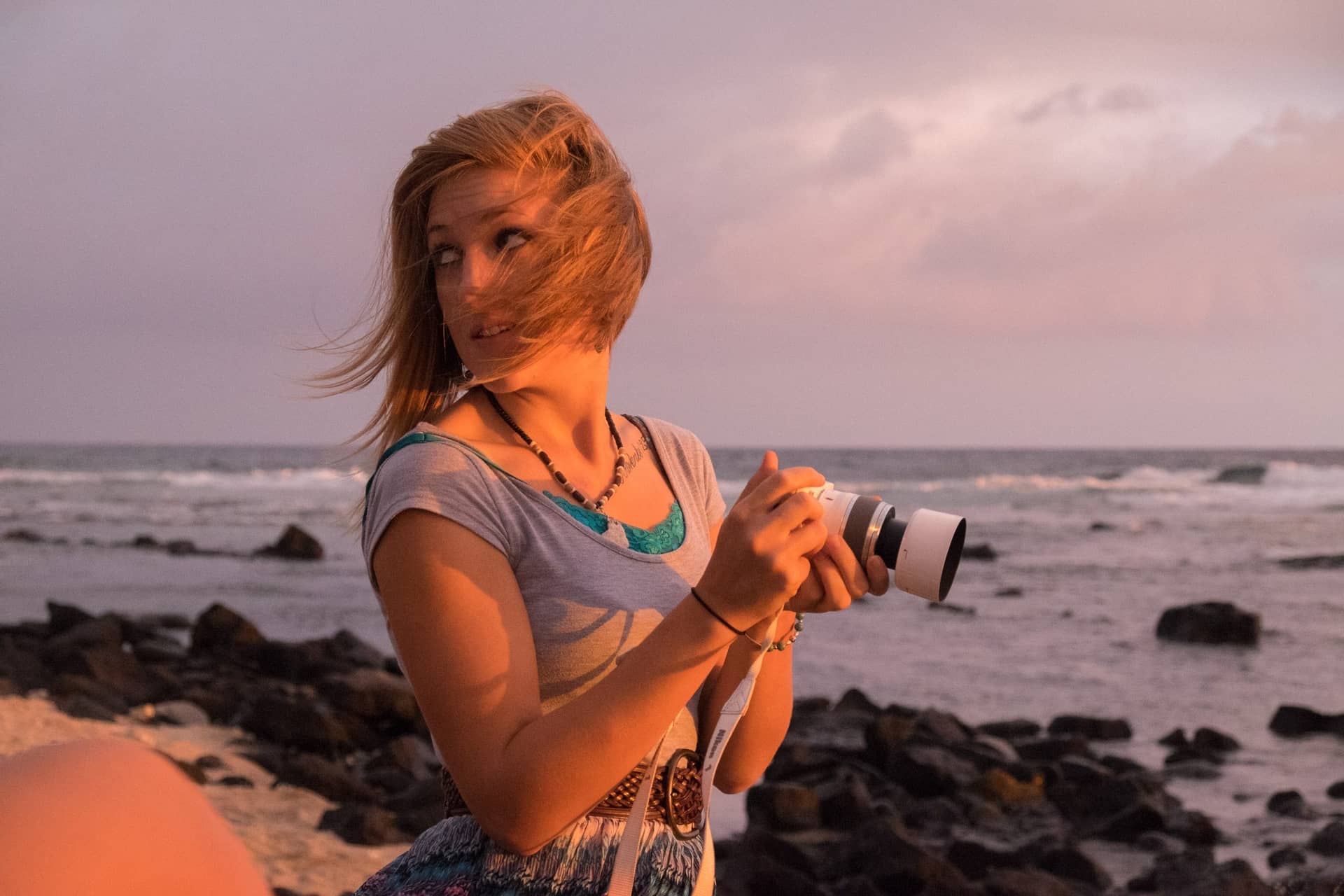
My original 2008 article also made another point that I still believe.
Don’t limit your relationships to people who do exactly what you do.
Some of the most interesting connections happen outside your immediate profession.
A photographer can learn from a writer.
A writer can learn from a business owner.
A business owner can learn from a teacher.
A communicator can learn from a pastor, nonprofit leader, artist, or community organizer.
And sometimes a photographer can learn from a former student.
The goal isn’t to collect as many professional contacts as possible.
The goal is to connect with the community around you.
The payoff isn’t always immediate
This is probably the hardest part.
You may volunteer at an event, and nothing happens.
You may help someone and never get anything in return.
You may introduce two people who go on to accomplish something together, and neither of them ever hires you.
That’s okay.
If you help only to get something back, people eventually notice.
Relationships aren’t transactions.
The irony is that giving without keeping score often creates the strongest relationships.
My original post ended with this thought:
“The foundation of building a network is giving.”
I would keep that idea.
I would say it differently today:
Don’t build a network so you have people to call when you need something. Build relationships so that you become one of the people others are glad to call.
Maybe I’ll see you at the Seminar next year.
I won’t be at the Atlanta Photojournalism Seminar this November. I’ll be looking at polar bears with Mark and learning from Kristi.
But if you’re anywhere around Atlanta and you care about photojournalism, visual storytelling, or documentary photography, consider attending the Atlanta Photojournalism Seminar this year.
Don’t just go to hear the speakers.
Go meet the people.
Go see the work.
Go show your work.
Go ask questions.
Go volunteer.
Go help somebody.
You may walk away with a new idea.
You may walk away with a new friend.
You may discover a photographer whose work changes how you see.
And years from now, you may realize that a conversation you had in a hallway mattered much more than the presentation you came to hear.
That’s what being a joiner really means.
Not collecting memberships.
Being part of something.
And, whenever possible, making it better because you were there.