|
Getting your Trinity Audio player ready...
|
A person, not a company, hires you.
One of the most important things to understand is this: a person hires you—not a company.
If John Smith hires you to photograph a project while working at Coke, your client isn’t Coke—it’s John Smith.

I worked for Georgia Tech a few years ago, and the issue of who would pay for the photography came to my attention in a very messy situation.
The Research Institute, a separate part of the Georgia Institute of Technology, had asked our department to photograph a project. Since I was the only photographer on staff, they hired me to shoot a research project.
The research was done at the College of Engineering at Georgia Tech. It would be best if you noticed this is a different department. The Research Institute had built an incredible reputation for getting work published in major popular news and science magazines such as Popular Mechanics, Business Week, and others.
The Research Institute’s writer contacted me, and they paid for the photography.
Unknown to me at the time, the College of Engineering had contacted my department to help promote the project. When I had been to the researcher and shot the project, the writer in our department went to our files, pulled the images, and sent them out with his story.
This was when we had a very messy situation. The writer who had his department pay for the photography didn’t get to use the photos first, and the other writer not only scooped the story and got a feather in his cap but also used photos that another department had paid to produce.

New Policy
After that fiasco, we put a new policy in place. Whichever department paid for or initiated a project could use the photos first, and anyone wanting to use them had to have permission from that department.
Since this was all funded by tax dollars, it technically belonged to the state, not a department. However, we realized we needed to address this or have another solution. The problem was that if a department was using its budget to create something and another department didn’t spend any money, it would create ill will.
My Policy
No matter who requests photos, I always tell them I am more than willing to help. However, I told them it was not my call and encouraged them to contact my client. I am more than willing to help once my client has approved the use.
The Politics
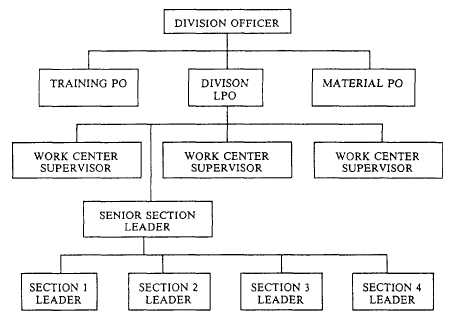
The more you know about the company and the organizational structure, the easier it is to handle these requests.
When you know the client’s boss is making a request, I can handle it very differently than when it is just another department.
Handling a request
Take the request: When someone comes up to you while you are working and requests something, I usually hand them a business card and ask them to contact me by email and put their request in writing. I explained that I would love to help them, but I am currently shooting.
Often, the request disappears because they do not follow up. This is a great way to handle most photography requests. Usually, someone asks for a favor for free rather than wanting to compensate you for the work.
This will give you time to respond to them properly by email or by phone. I find that taking time to think through something without having to actively listen is the smartest thing you can do for any request.
Let the client know of the request: Before responding, inform your client. Ask them whether they would prefer to handle the request themselves or have you handle it.
Usage Rights: When creating a contract with the client, you need to address image rights. Are you giving them one-time, exclusive, or unlimited rights, for example? It would be best if you addressed the time limit for these rights. I cannot think of a situation where a client has hired you that you would not need to wait until they use an image before selling it on the open market.

Wedding Photography
If the bride’s parents are paying for the photography, this is important to note when considering their requests. The dynamics change significantly when the bride and groom pay, and then the bride’s mother asks for memorable photos outside of the agreement with the bride.
In summary, you need to know that just because a person at a large company hired you to shoot something for them and even if you have given them unlimited usage, this does not mean that if another person from the company asks for the photos, that you give them to that person.
You will gain this client’s trust as long as you honor the client relationship. How you handle requests from others in the company can help them see you as a professional with ethics and solid business practices.