|
Getting your Trinity Audio player ready...
|
I’ve been watching cameras get smarter my entire career.
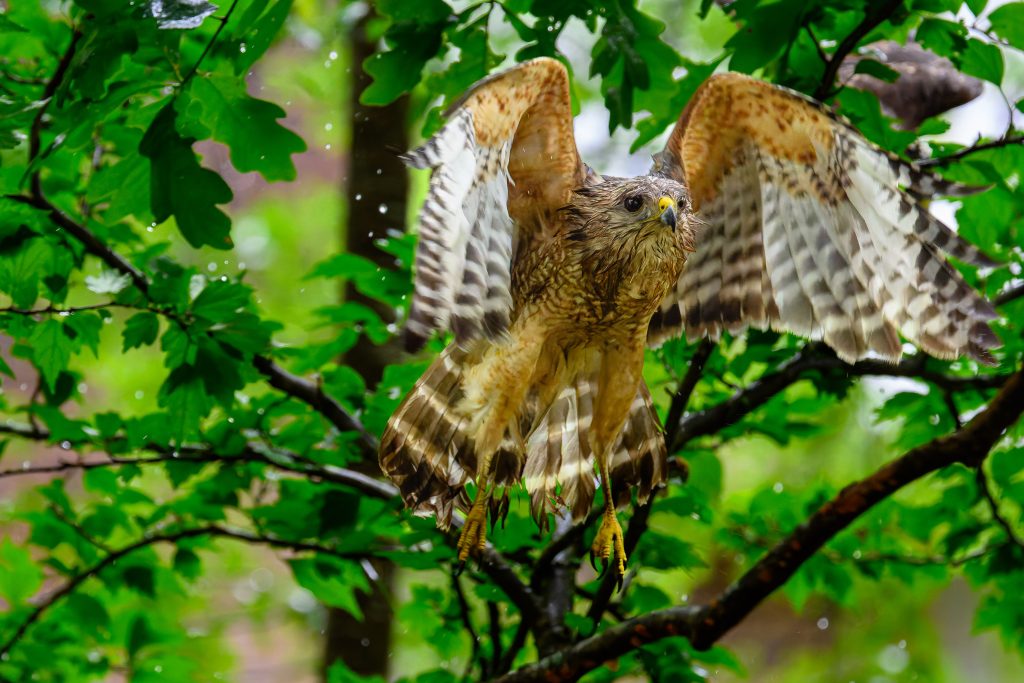
Today, you can pick up a camera that will track a bird in flight, lock onto the eye, nail the exposure, and get you pretty close on white balance—all without you doing much at all.
That used to take years to learn.
So it raises a fair question:
If the camera can do all that… what’s left for the photographer?
Here’s the answer I keep coming back to:
The camera can execute. It still can’t decide what matters.
And that’s the job.
The Shift Most Photographers Are Missing
For a long time, being a good photographer meant mastering the technical side:
- Focus
- Exposure
- Color
- Timing
Those things still matter—but they’re no longer what separates you.
The camera handles more of that every year.
What it doesn’t handle is:
- Why this moment is important
- What story is unfolding
- What the audience should feel
- What needs to be included—or left out
That part is entirely on you.
And honestly, that’s where the real value has always been.
Where I See Photographers Struggling
A lot of photographers are still trying to compete with the camera.
They’re chasing sharper images, better dynamic range, cleaner files.
But clients don’t hire you because your camera is better.
They hire you because you help them communicate something they can’t do on their own.
If all you’re offering is technical skill, you’re becoming easier to replace.
If you bring insight, clarity, and storytelling, you become hard to replace.
What Actually Helps You Grow Today
If you want to grow as a photographer right now, your energy needs to shift.
Here’s where I’d focus:
Learn to See Before You Shoot
The best images aren’t accidents.
They come from paying attention—watching people, reading moments, noticing what’s about to happen.
Most people raise the camera too fast.
Slow down and ask: What am I really looking at here?

Think in Stories, Not Singles
One strong image is good.
A set of images that work together? That’s what clients need.
Start asking:
- What’s the bigger story here?
- What details support it?
- What’s missing?
This is where photographers become storytellers.
Be Intentional With Your Frame
Your camera doesn’t know what to ignore.
You do.
What’s in the background matters as much as what’s in the foreground.
Distractions weaken your message.
Clean frames strengthen it.
Use Light With Purpose
Your camera can measure light.
It can’t tell you what that light means.
Soft light feels different than hard light.
The front light feels different from the side light.
Pay attention to how light shapes emotion—not just exposure.
Work With People, Not Just Subjects
This is a big one.
The strongest images come when people trust you.
That doesn’t happen because you showed up with a great camera.
It happens because you connected with them.
Spend time without the camera in your face.
Have conversations. Listen.
You’ll get better moments every time.
Edit Like a Storyteller
Just because you captured it doesn’t mean it belongs.
One of the hardest skills to learn is what to leave out.
Every image you include should clarify or strengthen the story.
If it doesn’t, it’s noise.
Find Your Voice
This takes time.
But it’s the difference between someone who takes good photos and someone people seek out.
What do you notice that others miss?
What stories are you drawn to?
What keeps showing up in your work?
That’s your voice starting to form.
Where This Leaves Us
Cameras are only going to keep getting better.
They’ll keep making the technical side easier.
But that doesn’t make photographers less important.
It actually raises the bar.
Because now the question isn’t:
“Can you get the shot?”
It’s:
“Do you know what the shot should be?”
Final Thought
I don’t worry about cameras replacing photographers.
I do think photographers who stay focused only on the technical side will struggle.
But the ones who learn to see, understand people, and tell meaningful stories?
They’re more valuable than ever.
Because in the end…
The camera records what’s in front of it.
You decide what’s worth remembering.