|
Getting your Trinity Audio player ready...
|
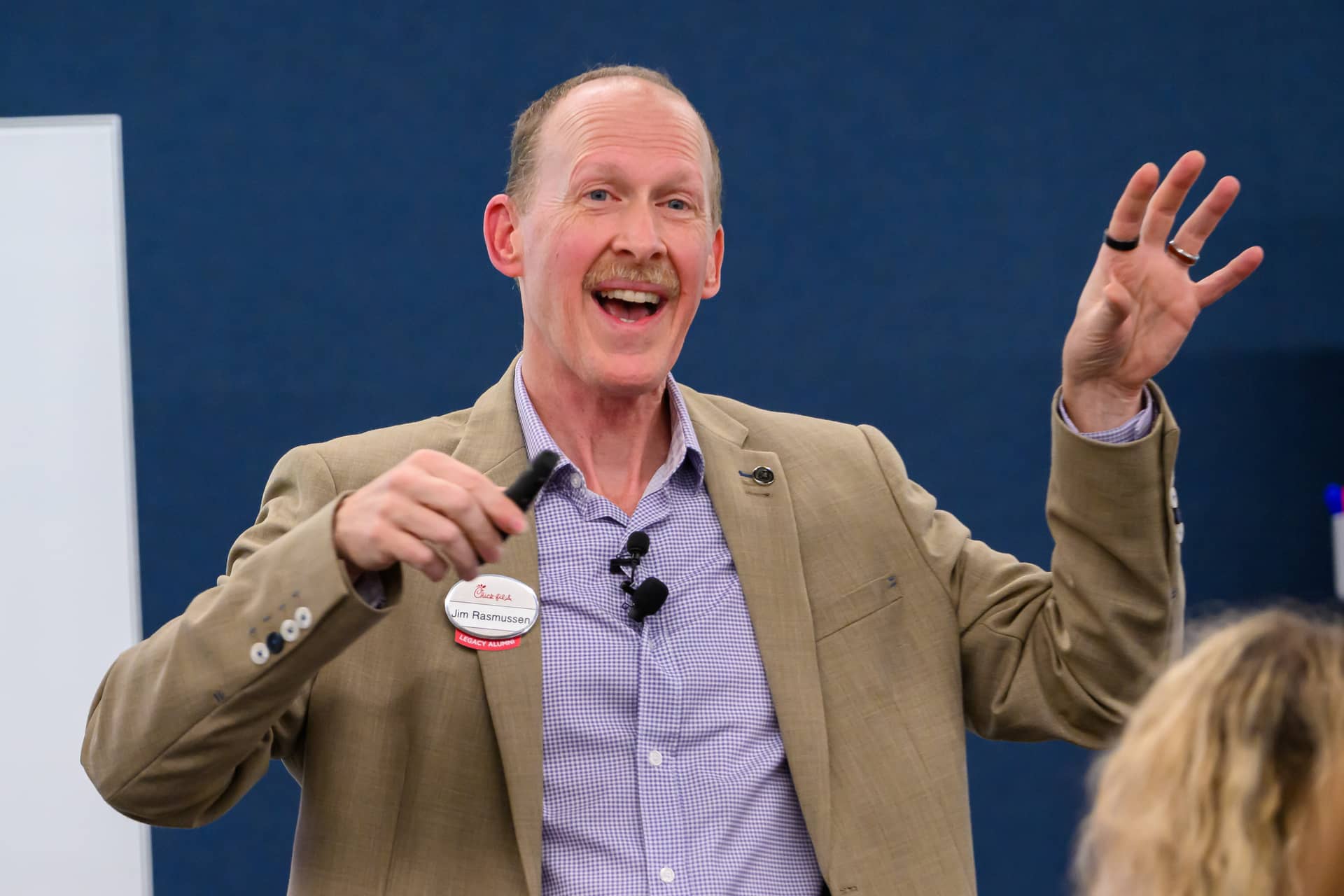
Jim Rasmussen, co-founder of Pandowealth, speaks to Chick-fil-A Support Center staff about financial stewardship, generosity, and living with purpose.
Every time I go on an assignment, I learn something from my client.
Photographing conferences has given me the opportunity to hear remarkable speakers, including Seth Godin, Vanessa Van Edwards, Simon Sinek, Adam Grant, Bob Goff, Andy Stanley, and John C. Maxwell. Through the years, I’ve shared many of those photographs and lessons here.
This week, I photographed for Jim Rasmussen’s company, Pandowealth, while he led a session for Chick-fil-A Support Center staff.
His subject was synthesis: taking complex information, organizing it, and translating it into action.
Jim made it practical with three words—and an acronym familiar to everyone in the room:
CFA: Compile. File. Activate.
Compile: Open Your Field of Vision
Jim asked volunteers to look around the room for everything brown. Then, after they turned away, he asked them to list everything blue.
They had been looking carefully. Their attention had simply been directed elsewhere.
His point was that our expectations influence what we notice. When we gather information looking only for evidence that supports an existing idea, we can miss something important.
That connected immediately with my work as a photographer.
I need to understand the assignment, but I also need to remain curious. If I arrive with every photograph already pictured in my head, I can overlook an interaction or expression that tells the story better.
Preparation gives me direction. Curiosity helps me see what is happening.
File: Know What “Done” Looks Like
Gathering information doesn’t automatically make us more effective. We need a way to decide what matters.
Jim encouraged the group to establish a “definition of done” by considering three things: facts, feelings, and functionality.
What measurable result do we need? How should people feel when the work is complete? What will they be able to do differently?
Those questions apply directly to making photographs for a company.
Which images does the client need? Should the photographs help an audience feel confidence, connection, or trust? Where will the images be used, and what do they need to accomplish there?
Clear answers help guide both the photographs I make and the images I deliver.
Jim also encouraged questions about deadlines, the audience, and the amount of detail needed. A quick estimate and a detailed analysis can both be useful. Knowing which one someone needs saves time and frustration.
Activate: Give People Perspective
While discussing the book Making Numbers Count, Jim offered a comparison that stayed with me.
We know that a billion dollars is much more than a million dollars. But how well do we understand that difference?
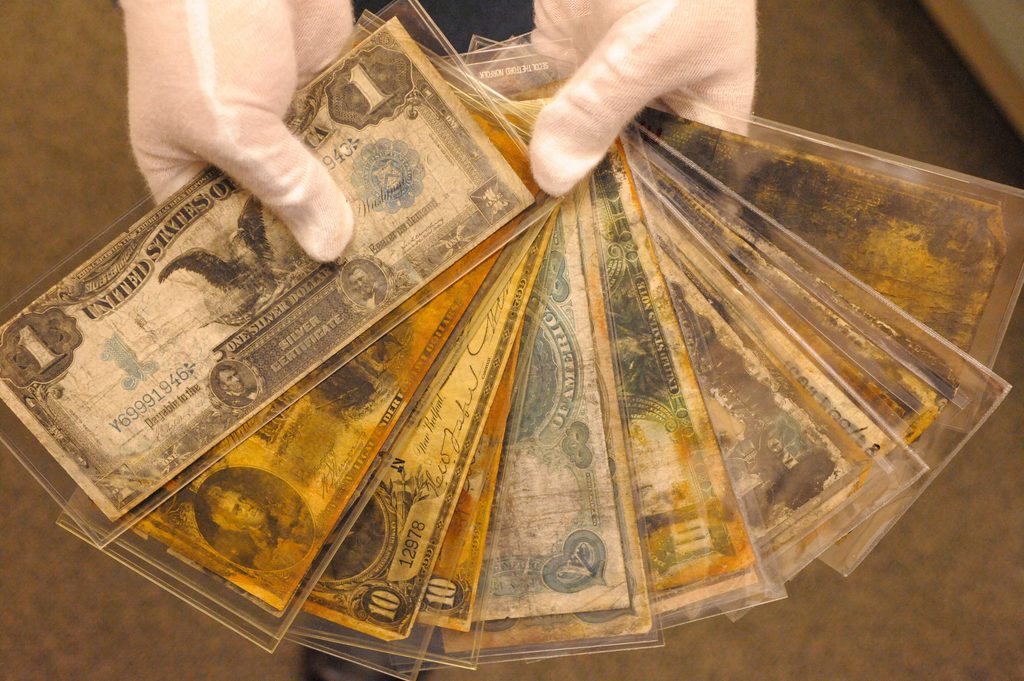
Imagine spending $50,000 every day.
A million dollars would last 20 days.
A billion dollars would last nearly 55 years, assuming no investment earnings.
Suddenly, the difference becomes easier to picture. Twenty days fits on a calendar. Fifty-five years spans much of a lifetime.
Then Jim brought up hummingbirds, which he enjoys watching on his back porch.

He described their extraordinary metabolism and offered a vivid illustration: imagine scaling a hummingbird’s energy demands to an adult man. In his comparison, that would mean drinking 67 Cokes an hour, every waking hour, for 16 hours a day.
That image got my attention.
The exact conversion depends on the assumptions used, but the illustration makes the scale memorable. Most of us have little frame of reference for a tiny bird’s energy needs. We can picture a Coke—and then try to imagine 67 of them every hour.
Both examples reminded me that information becomes more useful when we connect it to something people already understand.
Speak From Your Audience’s Experience
Jim also described explaining retirement-plan choices to restaurant Operators through the familiar experience of ordering an entrée or a combo meal.
He connected an unfamiliar decision to something his audience understood from daily experience.
That requires listening and empathy. What does this person already know? Which words or comparisons will help the idea make sense? What do they need to understand before they can act?
Those are storytelling questions, too.
A photograph can give someone a way into a subject they know little about. A recognizable expression or interaction can help them connect with the people in the story.
The Person Behind the Lesson
I’ve known Jim since 2008. I appreciate how much he cares about people and wants to help them live out their purpose.
After a 20-year career at Chick-fil-A, he co-founded Pandowealth in 2017. The firm brings together financial planning, investment management, and tax strategy for Chick-fil-A Operators and Support Center Staff, professional athletes and their families, and individuals and families seeking to align their finances with their values.
Its mission is to “grow wealth to empower purposeful living and giving.”
During the questions afterward, Jim talked about helping people make decisions based on their own calling, rather than simply following what someone else has done.
That connected his teaching to the purpose behind his work. Better information and clearer communication can help people make decisions that matter to their families, their futures, and the people they hope to serve.
What I Took Home
I arrived to make photographs Jim could use to communicate his company’s story. I left thinking more carefully about how I do that work.
Am I looking broadly enough to notice what matters? Have I understood what success looks like for my client? Will the photographs help the intended audience understand and respond?
Compile. File. Activate.
Jim gave us a useful way to think through those questions. He shared plenty of other insights, too. If your group wants to explore how to turn complex information into clearer decisions and action, consider inviting him to speak.
One privilege of my work is learning while I photograph. This assignment gave me something I can bring to the next one.