|
Getting your Trinity Audio player ready...
|
Many things go into the making of a photograph. However, only one will indeed be the key to a great picture.
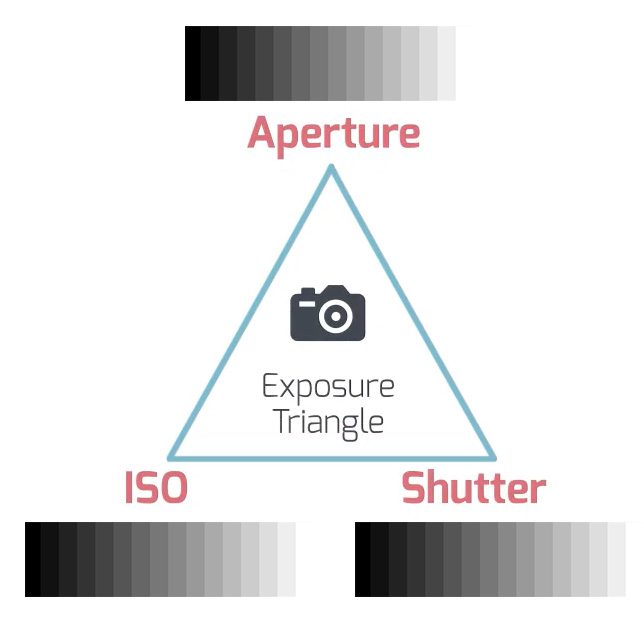
Exposure Triangle
The exposure triangle is a common way of associating the three variables determining a photograph’s exposure: aperture, shutter speed, and ISO. To achieve the desired result, one must balance all three, and adjusting one requires adjusting at least one of the others.
Executing this flawlessly allows you to still have a photo without connecting with the audience.
Principles of Composition
In photography, the composition is the arrangement of parts of a scene to form a particular visual outcome. Design can also be about picking a viewpoint to create a pleasing visual effect. In practical terms, the photographer uses “arrangement” and “choice of viewpoint.”
In general, composition aims to direct the viewer to the photograph’s point. The “point” may be an aesthetically pleasing scene or something containing a more complex story. Composition efforts can even result in a visually disturbing or discordant outcome.
The finer points of a particular composition rely on a range of “photographic elements” and the “principles of photographic art” for using them.
When you execute the composition and Exposure Triangle rules together, your photos will look even better, but still fall short of connecting with the audience without one more thing.
Previsualization
The greatest proponent of previsualization was Ansel Adams, and it was he who perhaps summed it up best with a single sentence, “You don’t take a photograph; you make it.” Great photographs require you to work out everything that goes into making that photograph before you take it. So how do we mere mortals go about previsualizing our shots?
The first book Ansel Adams wrote started with chapter one, explaining this concept to people.
While my work cannot stand up to Ansel’s, I still believe there is a better way to describe this previsualization process by asking a simple question.
WHY take the photo?
For example, Ansel Adams assumed no one could look at Half Dome and not be moved. Half Dome is a granite dome at the eastern end of Yosemite Valley in Yosemite National Park, California.
When you ask yourself, “Why am I taking this photo?” you will get to the core of the element that will help you connect with your audience. This is the #1 Key to Great Photography.
I love the two words “so that” in the Bible.
“So that” is used as a subordinate clause to show purpose or to give an explanation. It indicates an action producing an intended result or a cause having an effect. In Sentence 1, “so that” in Sentence 2, the first sentence is the action/cause, and the second is the intended result/effect. In the format “So that” Sentence 1, Sentence 2, the first subject-verb clause is the intended result/effect, and the second is the action/cause.
I push my shutter on the camera to inform, imagine, influence, meet social expectations, and express feelings.

Show & Tell
Photos alone cannot tell a story. At best, they can capture a slice or a moment. People need words to help them understand what is happening in the photograph.
We learned this concept in Kindergarten during a “Show & Tell” day at school. The objects your classmates brought into school needed them to tell us why they got them to school. Without their words, we didn’t understand.
The best part of “Show & Tell” was that the visuals gave us much information that the words alone couldn’t do as well or as briefly as the visuals.
Here is the formula I think works well for photos that communicate:
Ask Why
|
Previsualize
|
Take Photo
|
Add Words
Ask yourself why I want to take this photograph. For example, how is the situation affecting me, and what do I want the audience to understand I am experiencing?
Once you know WHY, you must use all your photographic skills to capture this moment best. This “previsualization” is understanding how the best shutter speed, aperture, ISO, composition, and lighting, all controlled by me, can be used to capture what I want to communicate.
I then execute the previsualization and take the photo.
Last, we know the photo alone will make the audience ask: What is happening here? They will need more information to ensure that the message is not left up for interpretation. You must then marry the photograph with words to complete the communication process.
Example

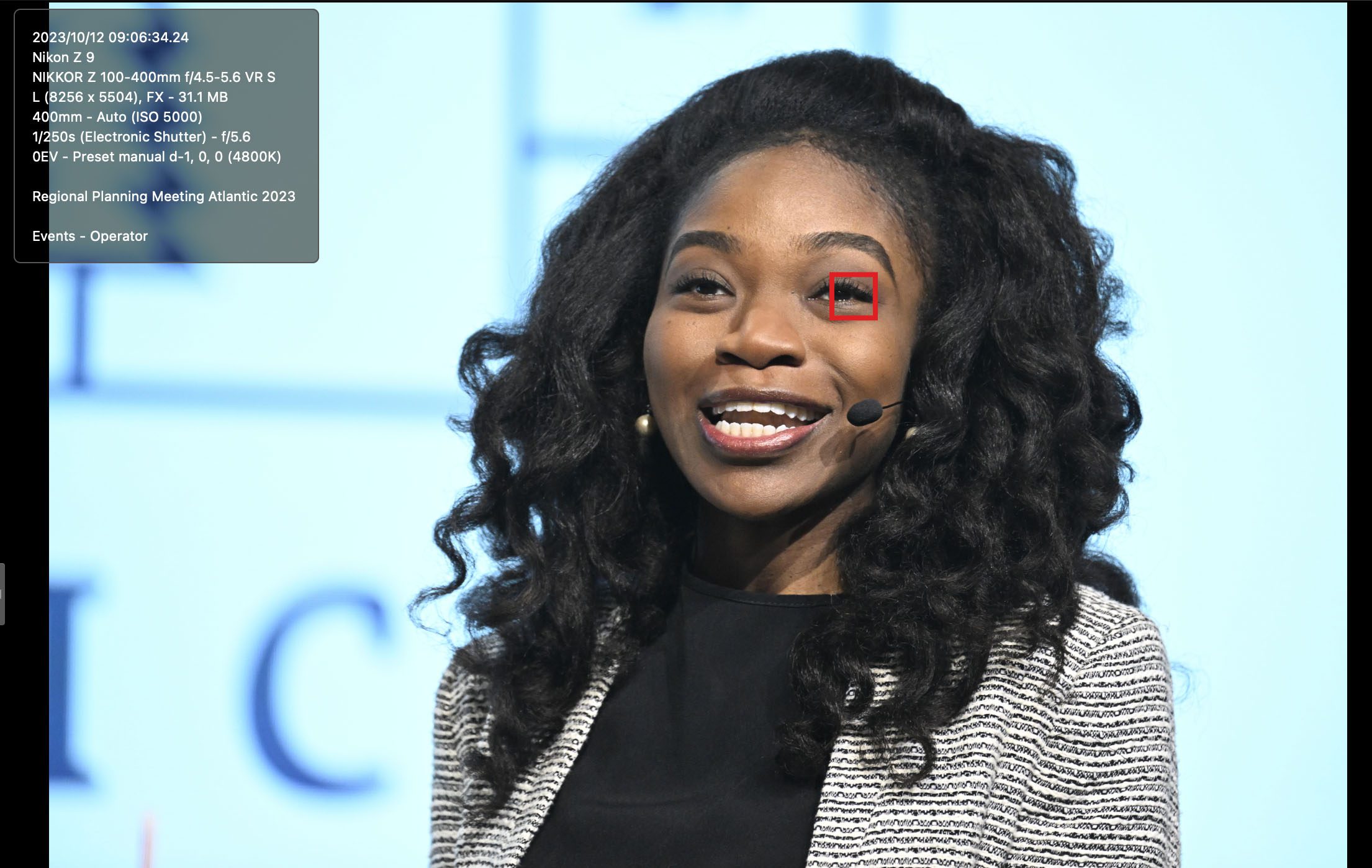
I think this is a compelling photo, but I want to know more. Now compare this same photo to one using it with words:

Together with the words, the picture completes the communication process.
Now I am not saying put words on photos always. Captions under photos work just as well.
Use the caption to tell the reader something new. When readers look at the photo, they’re usually confronted with some form of emotion and information (based on what they see in the picture). The caption, in turn, should provide the reader with information they were unaware of from simply looking at the photo. In short, the caption should teach the reader something about the image.
Now go forth and make photos!