|
Getting your Trinity Audio player ready...
|
Project Gutenberg’s Uncle Remus and Brer Rabbit, by Joel Chandler Harris
I grew up listening to Uncle Remus’s stories about Br’er Rabbit. In case you are not familiar with the character, Br’er Rabbit is a trickster who succeeds by his wits rather than by brawn, provoking authority figures and bending social mores as he sees fit. The name “Br’er Rabbit,” a syncope of “Brother Rabbit,” has been linked to African and Cherokee cultures.
The animal trickster represents an extreme behavior that people may adopt in extreme circumstances to survive. The trickster’s admiration is lacking in most situations. He is an example of what to do and what not to do. The typical African proverb summarizes the trickster’s behavior: “It’s the trouble that makes the monkey chew on hot peppers.”

Working for Free
Some excellent reasons to work for free or donate your time and resources to a nonprofit organization include altruism, which is the best possible reason to do so.
Another great reason to donate is that when you offer your storytelling skills to an organization, you are more likely to remain in control of the project and, therefore, produce the best possible work. So many personal projects I have seen photographers undertake throughout my career were selfless acts of kindness.
Countless people launched their careers by giving away their work for free and using these projects in their portfolios to get jobs.
I do encourage those who have no actual portfolio. Donating your time is the way to build your portfolio. You find something you are passionate about, which is often something a nonprofit could use. The advantage of doing this early in your career is that it can give you the access you need to put together a project that will showcase what you can do for clients in the future.
Almost no one will spend the travel expenses and pay someone to produce something without great examples.
Business Model Changed
These are just a few things that have impacted photographers doing work for nonprofits.
- Stock Photography—years ago, a photographer could go overseas, shoot, then return and submit images to a stock agency and make some pretty good money. It was common for photos to sell for $350 or more, up to many thousands of dollars. Today, people are giving their images away for free through things like Flickr, and this has dried up as an income source. It was not uncommon for a photographer long ago to shoot for free and, because of the access, make a lot of money from stock sales later. This revenue stream dried up years ago.
- Digital—Before digital, you had to know photography skills because you had to wait until the film developed to see the results. Now, with the LCD on the camera, you can see and adjust it instantly to ensure you have a photo. So, where many organizations would pay for a pro just to know they had pictures, now, with digital, they look to the LCD for that confidence.
- Good Enough—this is what social media has contributed the most to our industry. People see that OK videos and photos are getting traction, and that great images and videos do not always go viral.
- Baby Boomers Retiring—Many are retiring and want to donate their time to worthwhile causes. Most nonprofits welcome volunteers with open arms, and volunteers enjoy their free time rather than worrying about the quality.

Marc Broussard
What to do & What not to do
When working with nonprofits, I see more and more Br’er Rabbits. Many storytellers will contact a nonprofit and even do outstanding work that doesn’t help sustain the nonprofit in the long run.
For most of my career, I have watched the demise of professional communicators, especially those in journalism. Yet, loving what we do and feeling called to do it has many of us behaving like Br’er Rabbit. Br’er Rabbit represented the enslaved Africans who used their wits to overcome adversity and exact revenge on their adversaries, the White slave-owners.
I don’t see anyone planning revenge. However, I see people doing anything they can to tell stories.
Many hobbyists/pros do not need income from their photography because they make perfect money in their full-time jobs. Some are even professional communicators on the staff of a corporation or a newspaper, for example.
Many people love to travel and see the world. However, they are looking for another stamp from a country they have never been to to add to their passport.
What is happening with these people is that they are not thinking long-term for the organization. Instead, they are donating their time and resources.
Managerial Accounting
You need to understand this business concept to do the right thing when offering your work for free to an organization.
Too many people see the savings an organization provides by donating their time and resources. Donating time is how financial accounting tracks things, but as organizations mature, they do not rely on this method alone. Instead, they use managerial accounting methods in addition to their organization.
MANAGERIAL ACCOUNTING:
Provides information to make decisions regarding the future
Relevance of data is emphasized over reliability
Focuses on timeliness of information
Reporting is focused on parts of the organization such as departments or
divisions and not on the organization as a whole.
Here are just a few things that organizations address due to using managerial accounting procedures:
1. Just in time inventory
2. Total quality management
3. Enterprise resource planning
4. Supply chain management
5. Benchmarking
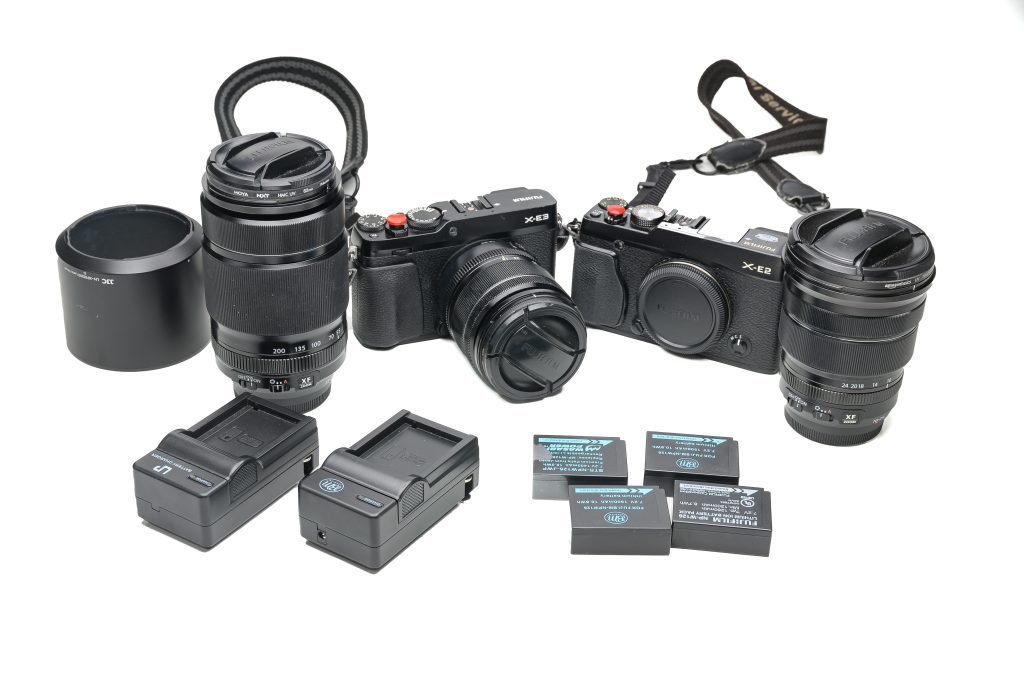
Do you want your donations to an organization to multiply or help temporarily? Most would like to know they are helping in the long term.
Think about each of these when you donate next time to an organization:
- Is my donation helping the organization fulfill its mission?
- When I stop donating, is what I am doing for the organization something they need to continue and pay for in the future?
- Am I helping educate the organization on how to use my gifts in the most effective way possible?
Storytelling is core to successful organizations. I know that every organization must tell a compelling story about what they are about at their core, or they will not be successful. Therefore, I do not mind donating my time as I choose, but I highly resent organizations that expect all storytellers to contribute to their organization. I believe organizations need a budget for their ongoing storytelling. They need materials that they can use over and over to help tell their story. They need to tell new stories about how they are continuing to make an impact, or sooner or later, they will start to die. Just as movie studios must keep releasing new movies to get people to spend money to watch, so must organizations continue telling their stories, or people will stop being part of their organization.
Time to Pay for Free
There should come a time in a nonprofit’s growth when it slowly matures by doing the right things. The day will come when the organization cannot just rely on Free.
I know one organization that has built up and continues to rely predominantly on free labor, with all its staff members donating their time to work full-time. When I worked with them, I was giving a presentation, and the room I was used to was unusable. Due to improper wiring by volunteer workers over the years, the rooms were unusable and posed a fire hazard.
I couldn’t get the work sent to my email accounts because the free IT support didn’t set up their campus correctly.
Even Habitat for Humanity must rely on professional electricians and plumbers to meet the code for its homes. So maybe more organizations need to realize a coding standard for good communication.
Here is the bottom line for organizations that do not plan and budget for storytelling.
Organizations need to budget for communications, or they will die over time.

I thought I would end with the sunset.