|
Getting your Trinity Audio player ready...
|
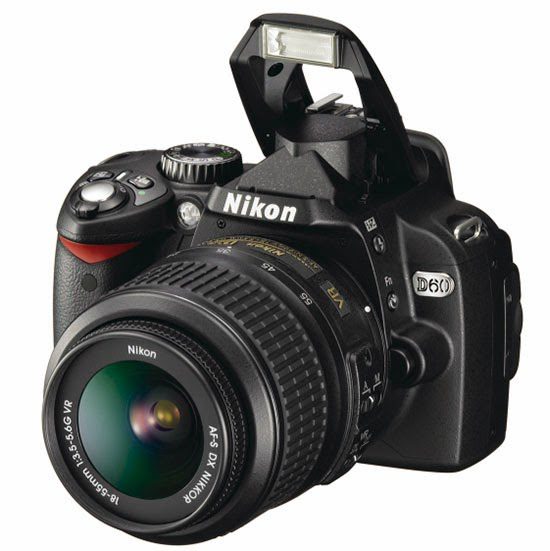
You may have an excellent camera that isn’t all that old. For example, this Nikon D60 was a great camera in January 2008. It was a 10.2-megapixel camera with an ISO range of 100—1600; you could push it to 3200. What prompted this blog post was a class I taught today to a group of photographers. After helping them for a couple of weeks with settings, one student went out shooting and still had problems taking photos inside without a flash. All the images had a great deal of motion blur. The camera settings were ISO 1600, ƒ/3.5 & 1/2 sec. |
 | |
Lens Solution The first thought by many was to get a faster lens. The kit lens was 18-55mm ƒ/3.5—5.6. We looked at replacing it with a Sigma 17—50mm ƒ/2.8. However, this would only give her about a little less than a stop at 17mm and 50mm 2 stops. So she could have shot only at 1/4 second verses from 1/2 second. |
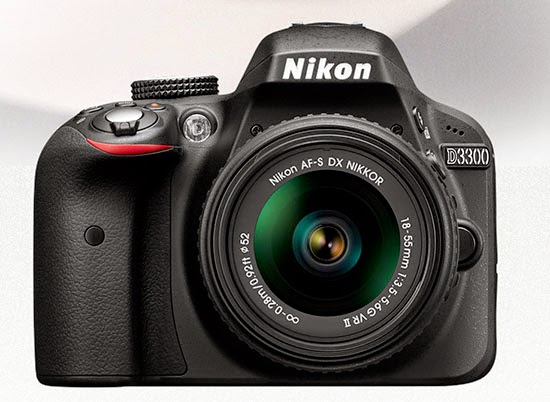 | |
Camera Solution I started doing the math in my head. What if we look at today’s newer cameras with higher ISOs instead? If we buy a camera with a top ISO of 12800, we will gain 3—stops. So instead of shooting ISO 1600, ƒ/3.5 & 1/2 sec, we could now shoot ISO 12800, ƒ/3.5 & 1/15. Ultimate Solution Buy the camera and the lens. However, if you are on a budget, buy the camera first. It will upgrade all your lenses by 3—stops. I remember going from the Nikon D2Xs to the Nikon D3. The D2Xs ISO 100—800, but the Nikon D3 ISO 200—6400. Those 4—stops made all of the lenses in my bag increase by 4. All my ƒ/5.6 lenses were equivalent in how much light they let in on the D3 as a ƒ/1.4 was doing on my D2Xs. I can tell you from my personal experience the jump of 4—stops were the biggest game changer I had gone through in all of my gear upgrades in my career. |