|
Getting your Trinity Audio player ready...
|
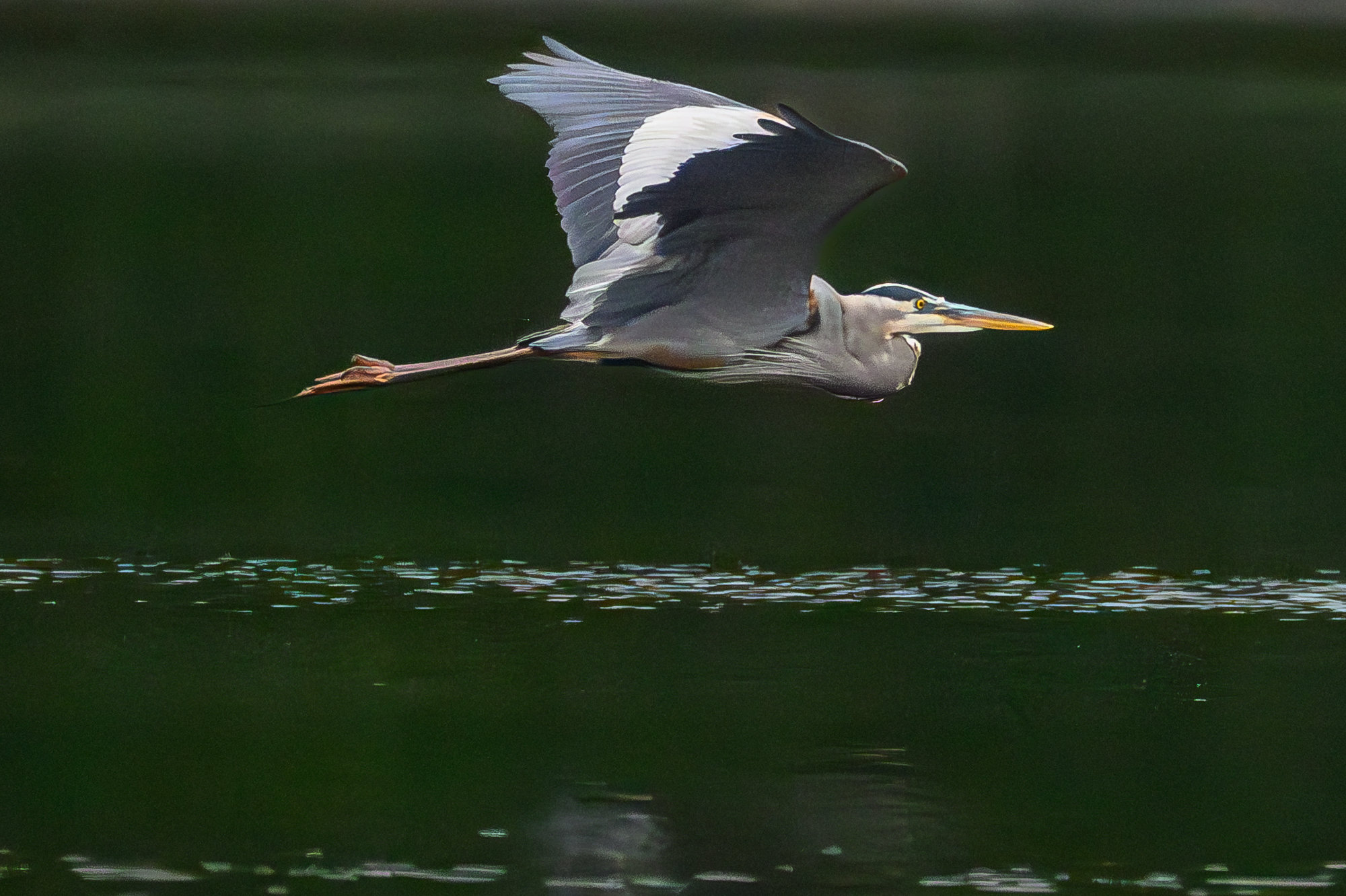
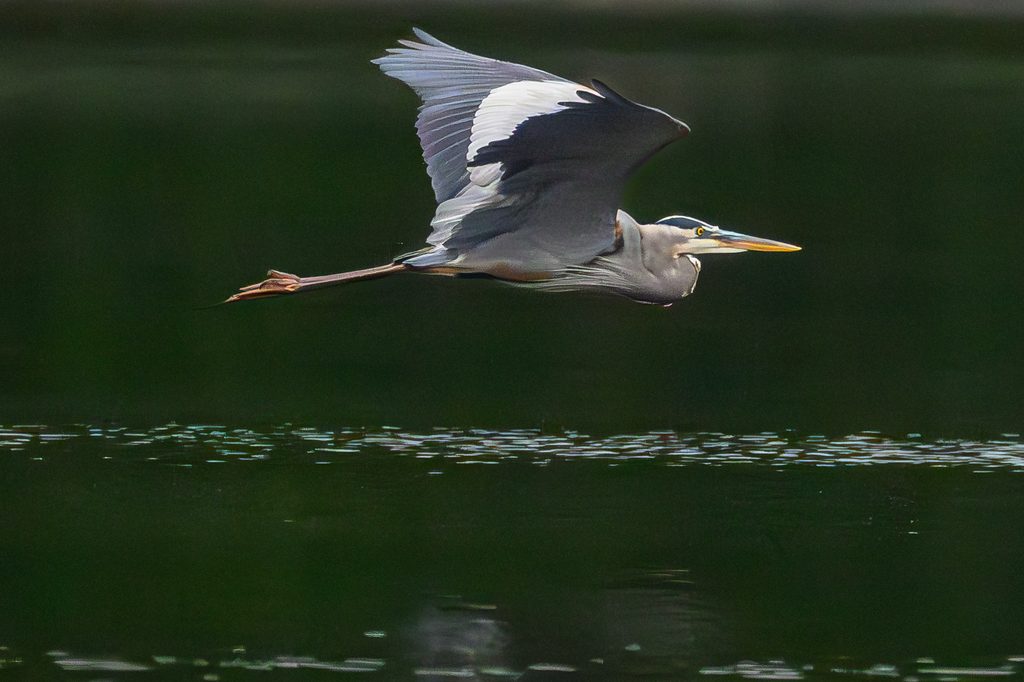
A great blue heron glides silently over the shallows. The health of these local wetlands dictates the survival of these majestic apex predators, keeping our aquatic ecosystems balanced and thriving.
I want to become a better wildlife photographer. I also want to become a conservationist.
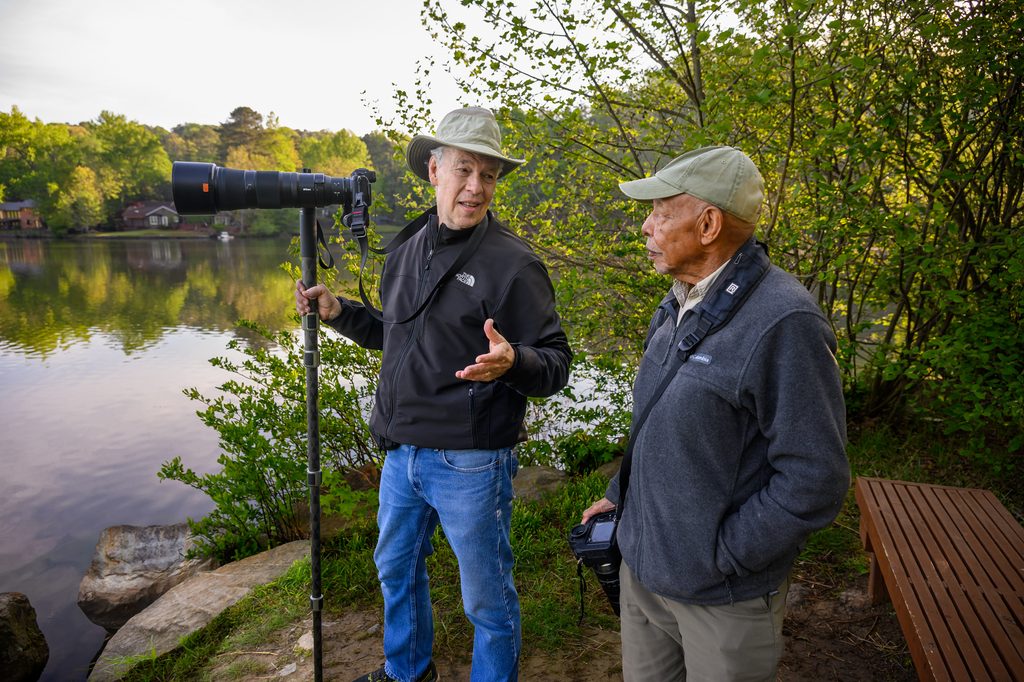
For me, that begins with learning. I need to understand the animals I photograph, the places they depend on, and how my presence might affect them. Loving wildlife and knowing how to care for it are two things I need to keep bringing together.
That responsibility became painfully clear during a visit to Mountain Park, Georgia.
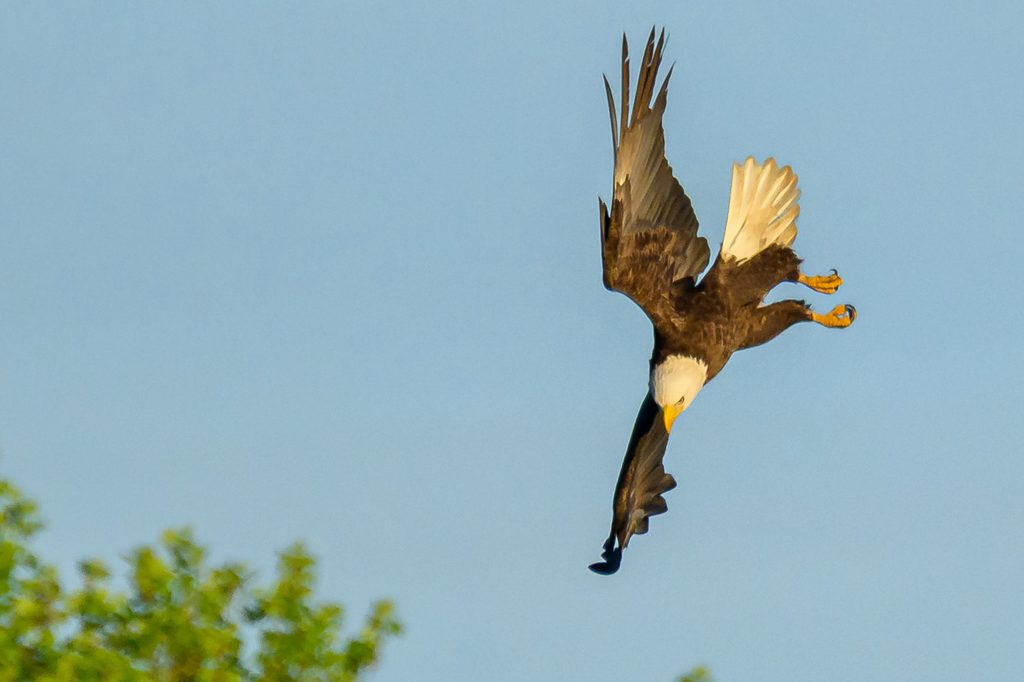
Lake Cherful and Lake Garrett are places near me where many wildlife photographers go. On one visit, I arrived to find a man flying a drone near a bald eagle perched on a branch in one of the tallest trees overlooking the lake.
There was no nest involved. The eagle was simply sitting in the tree.
I was furious.
But I also hesitated to confront the operator. I didn’t know him or how he might react. The possibility that a stranger could be armed crossed my mind. I wanted to protect the eagle, but I was also concerned about my own safety.
That experience left me thinking about a question every wildlife photographer should ask:
What might my effort to get a photograph cost the animal?
A Bird Does Not Have to Be Nesting to Deserve Space
It is easy to understand why we should leave a nest alone. Eggs and young birds are vulnerable. But a bird resting on a branch also needs room to live.
A drone approaching a perched bird can interrupt resting or feeding, increase vigilance, or cause it to leave. Responses vary among species and circumstances. Importantly, a bird staying put does not necessarily mean it is unaffected. A research review published in Frontiers in Ecology and the Environment notes that some birds can experience physiological stress without an obvious escape response.
I cannot tell you what that particular eagle was experiencing. I can tell you that staying alone on the branch would not prove the approach was harmless.
Around nests, the potential consequences become even more serious. The U.S. Fish and Wildlife Service explains that nesting eagles may perceive drones as threats. Defensive responses can drain energy, expose eggs or young to danger, and increase injury risk. The agency also says no safe distance exists for observing eagles or their nests with drones.
That last point matters. A distance recommended for some human activities around an eagle nest should not be treated as permission to fly a drone at that distance.
The eagle I encountered was not on a nest. My concern was still valid: its quiet moment above the lake should not become an opportunity for someone to test how close a flying camera could get.
Put the Creative Challenge on the Photographer
When we decide the animal’s welfare comes first, we give ourselves a different problem to solve.
How can I make a compelling photograph from where I am?
Perhaps I need a longer lens. Perhaps I need to wait for different light, return another day, or compose a wider photograph that includes the lake and the towering tree.
That wider photograph might communicate something a tight portrait cannot: the eagle’s relationship to its surroundings.
Ethical limits can push us to study behavior, anticipate moments, recognize patterns, and use the landscape more thoughtfully. They can also require us to accept that a particular photograph is unavailable.
Sometimes the responsible choice is to leave without the picture.
I want to develop enough judgment to recognize those moments—and enough discipline to accept them.
Good Intentions Need Research
The same responsibility applies much closer to home.
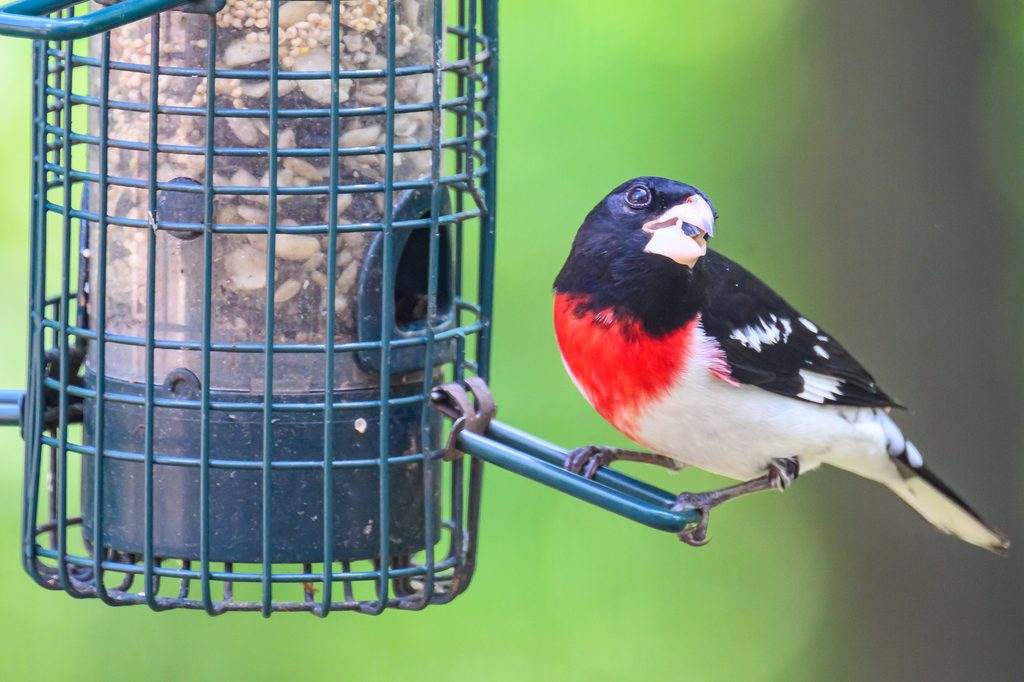
Consider bird feeders. Putting out food feels like an obvious act of kindness. It also brings birds together on shared surfaces, where disease can spread. Feeder placement can expose birds to window collisions or predators. The U.S. Fish and Wildlife Service identifies disease, predation, and collisions as major concerns associated with feeding wild birds.
A feeder is an ongoing commitment.
For photographers, that deserves special attention. If I attract birds because I enjoy watching and photographing them, I also take on responsibility for maintaining the conditions I created.
Common mistakes include topping off dirty feeders, leaving wet seed in place, ignoring waste underneath, and assuming clear-looking nectar is still safe.
Here are several practices worth building into a routine:
- Clean seed feeders regularly. Georgia DNR recommends cleaning weekly with one part bleach to nine parts water, then thoroughly rinsing and fully drying. Wear protective gloves and a mask, and wash carefully afterward.
- Clean beneath the feeder. Georgia DNR recommends removing accumulated seed, hulls, and droppings at least twice a week.
- Discard spoiled food. Moldy or decomposing seed can make birds sick. Cornell recommends cleaning feeders more often during wet weather or heavy use.
- Respond when birds look sick. Temporarily take feeders down so birds disperse, clean them thoroughly, and consult local wildlife guidance on when to resume feeding. Georgia DNR currently recommends pausing for a week when sick birds appear.
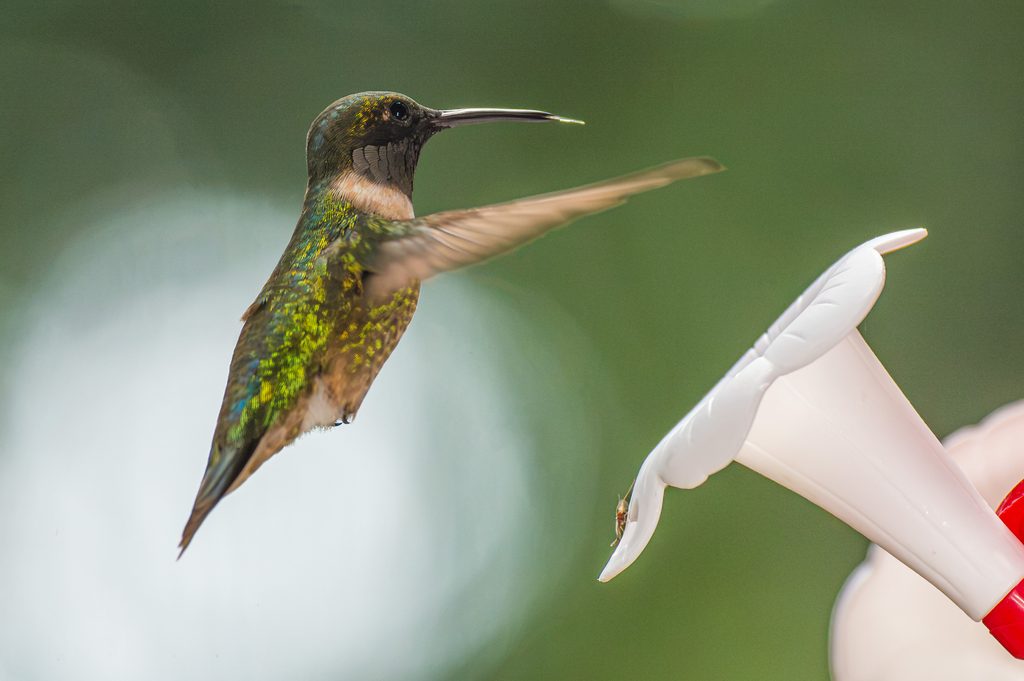
- Maintain hummingbird feeders more frequently. The Smithsonian recommends one part plain white sugar to four parts water, no red dye, and changing the nectar and thoroughly cleaning the feeder every other day. Cornell advises daily nectar changes in very hot weather and warns against using honey.
- Consider the whole location. Look for window hazards and access by cats. A clean feeder can still be poorly situated.
The lesson for me is simple: before trying to help, research what responsible help requires.
Becoming a Conservationist Starts With My Choices
It would be easy to make this article entirely about the man with the drone.
But becoming conservation-minded also requires me to examine my own behavior.
Have I learned enough about the species I want to photograph? Am I watching for changes in its behavior? Am I willing to back away? If I attract wildlife, am I prepared to keep the environment safe?
When I witness something concerning, I also need a constructive response. Confrontation isn’t the only option. The U.S. Fish and Wildlife Service encourages people who observe possible wildlife harassment to contact a local game warden or report it to the agency.
I can care deeply, act thoughtfully, and keep learning.
My goal is to make photographs that help people appreciate wildlife while practicing that appreciation myself. That means putting more effort into observation, preparation, patience, and creative problem-solving.
I want the challenge of making the photograph to fall on me.
The animal should be free to continue its day.