|
Getting your Trinity Audio player ready...
|
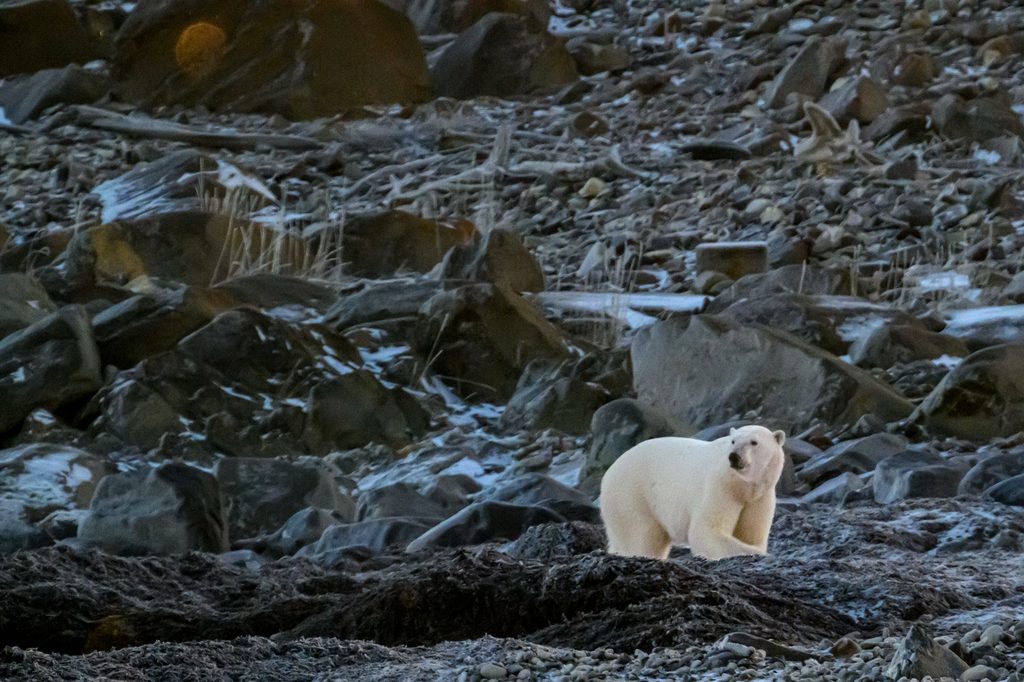
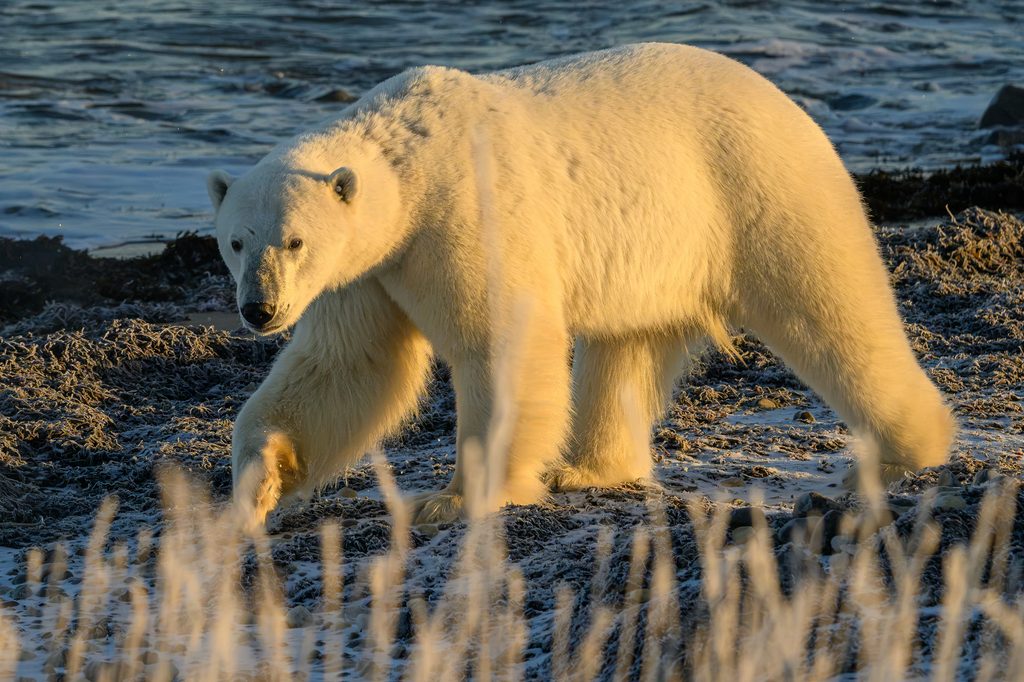
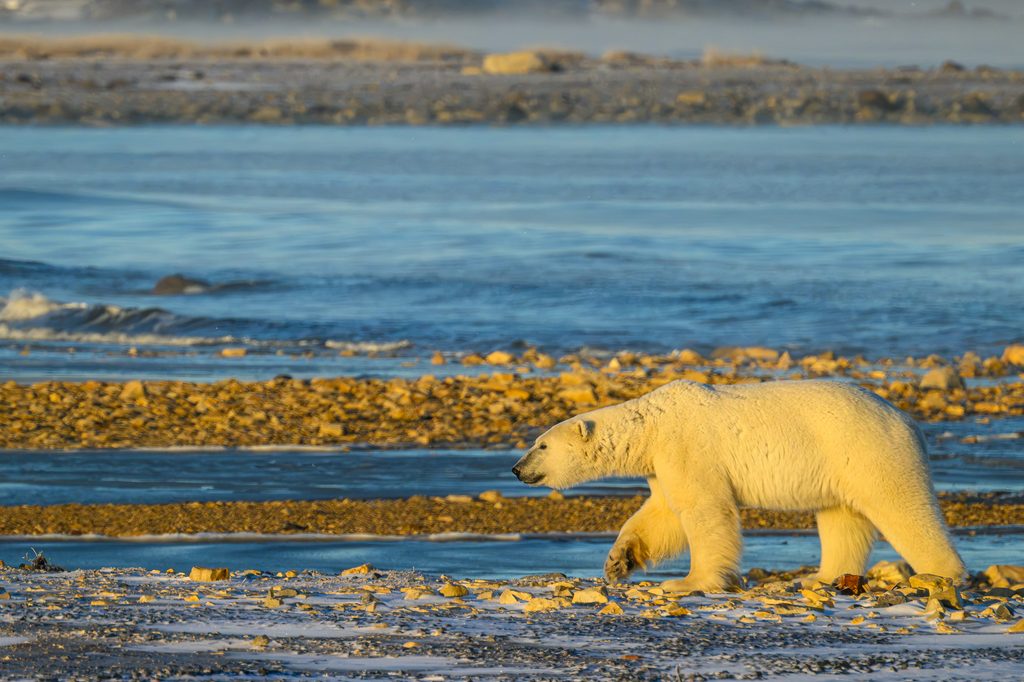
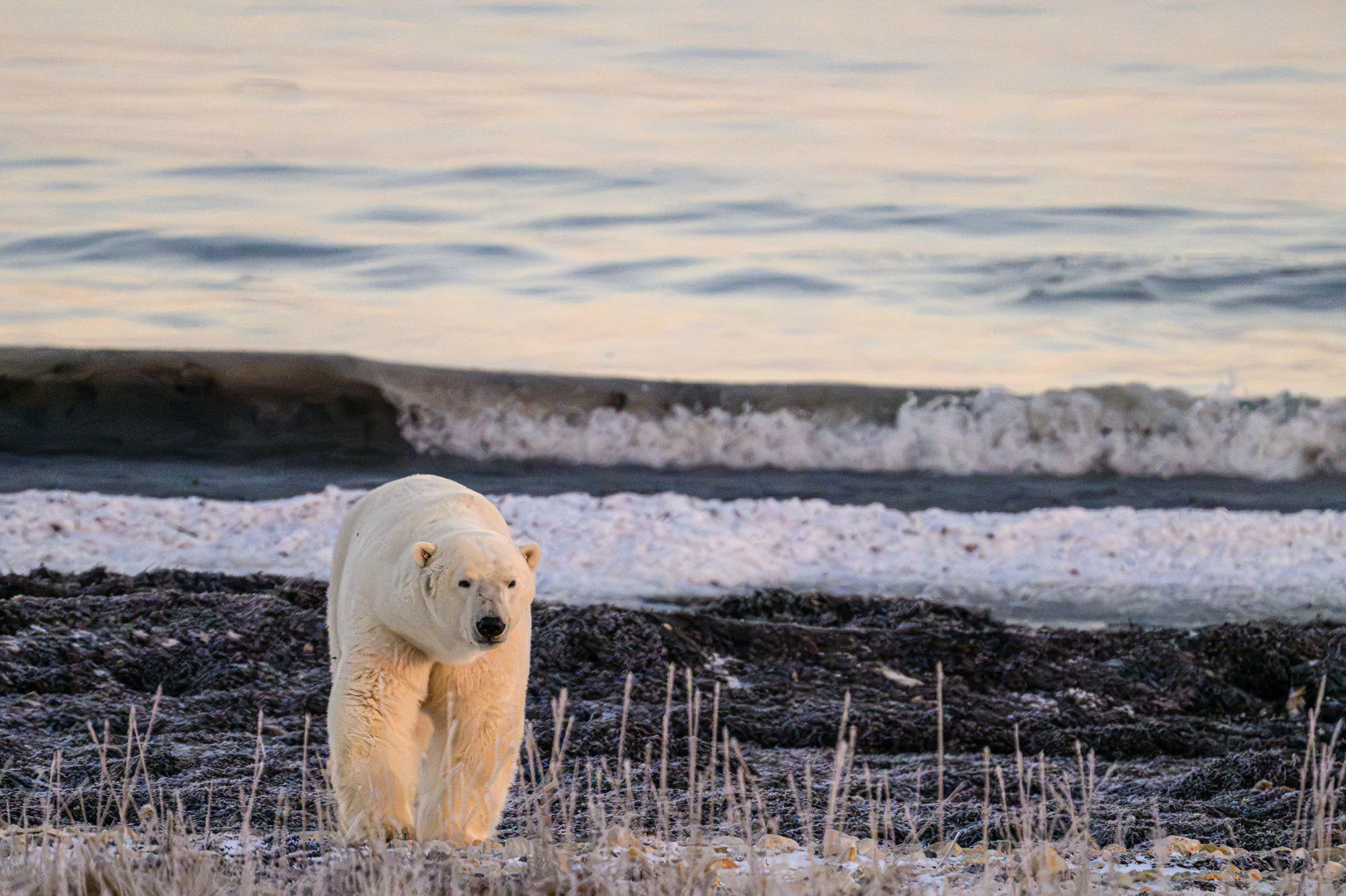
Last week, while photographing polar bears near Churchill, Manitoba, I kept looking past them at Hudson Bay. I wanted to see whether ice was starting to form. Patches formed along the shore, and I photographed one bear walking across them. Beyond him, the bay was still open.
I came home with a question. If the bears need sea ice to hunt seals, why wait around Churchill when they could keep going north?
Some of them do go north.
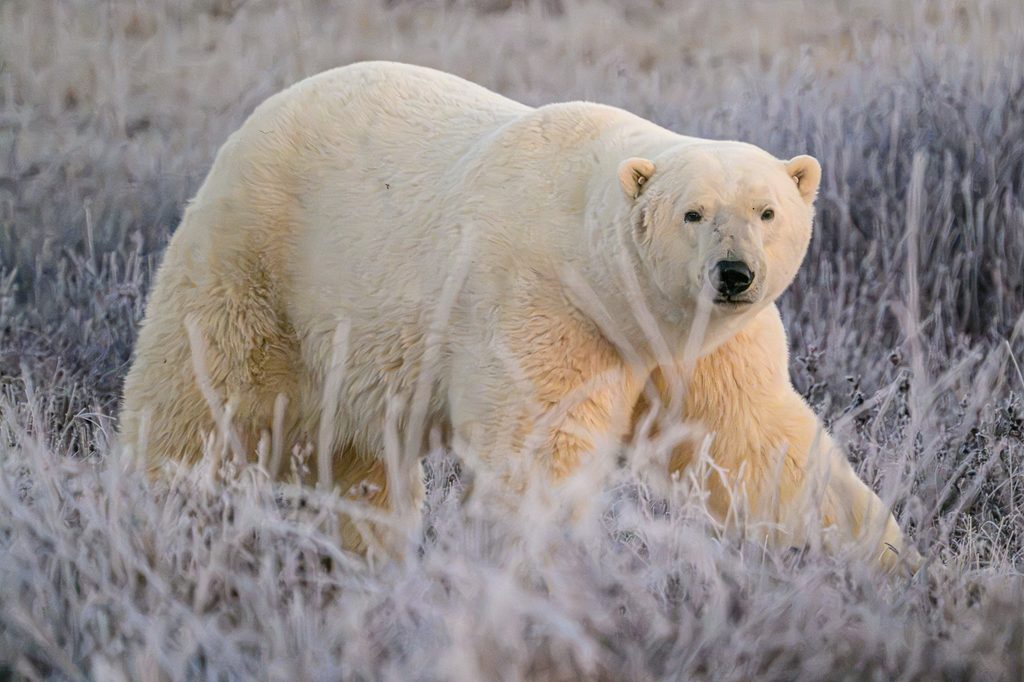
Tracking studies show that some Western Hudson Bay polar bears move north along the coast in the fall as freeze-up approaches. Polar Bears International followed one female and her cub as they moved up the coast to Cape Churchill, stayed close to shore while the ice spread, and then headed out onto the bay. Another tracked female and her cubs began their journey onto the ice much farther north, near Arviat, Nunavut.
What surprised me was how much the shape of the shoreline matters. Polar Bears International explains that currents can carry drifting ice toward the coast near Churchill, where it piles up along the shore. Freshwater flowing from the region’s rivers also helps the shallow coastal waters freeze sooner because fresher water freezes at a higher temperature than saltier water. So even though ice generally starts forming in northwestern Hudson Bay, the coast around Churchill can offer bears early access to it, too.
The ice I was looking for
On November 18, Environment Canada was still reporting mostly open water around Churchill, with new ice along parts of the coast. I was glad to read that. I also thought about the bear I’d photographed on that narrow strip of ice. My frame showed what he could walk on that day. The open water beyond him showed how much of the bay had yet to freeze.
That’s the part of the trip I keep coming back to. I went to Churchill hoping to photograph polar bears. By the end of the week, I was paying as much attention to the water behind them as I was to the bears themselves.
I’m home now, and I’m still checking the ice.
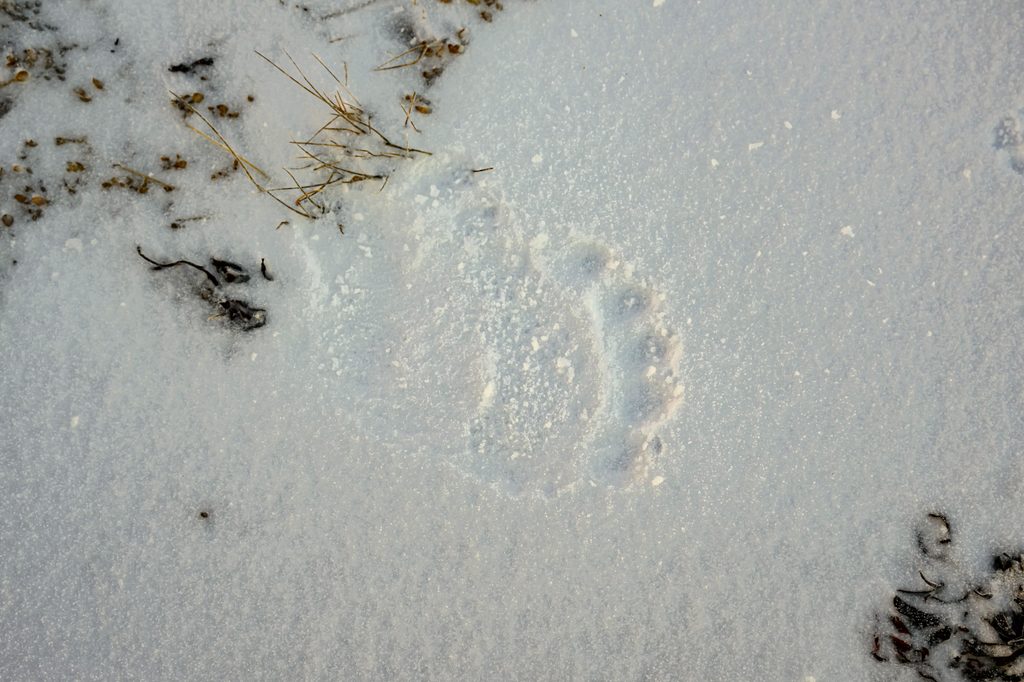
The Polar Bear Walked Past. Then I Looked Down.