|
Getting your Trinity Audio player ready...
|
By the time my Uber pulled up at home at 6:30 in the morning, I was ready for bed. I got off lighter than some travelers caught up in the weekend’s flight disruptions. Still, the last of our three flights was supposed to leave at 8:20 p.m. We finally got going around 2:20 a.m.
I figured I could start going through everything I’d photographed the previous week in Churchill, Manitoba. I opened the photos and soon gave in to a nap that lasted more than three hours. After a normal night’s sleep and a drone assignment, I finally sat down for a couple of hours with the polar bears.
What 20 frames a second looks like back home
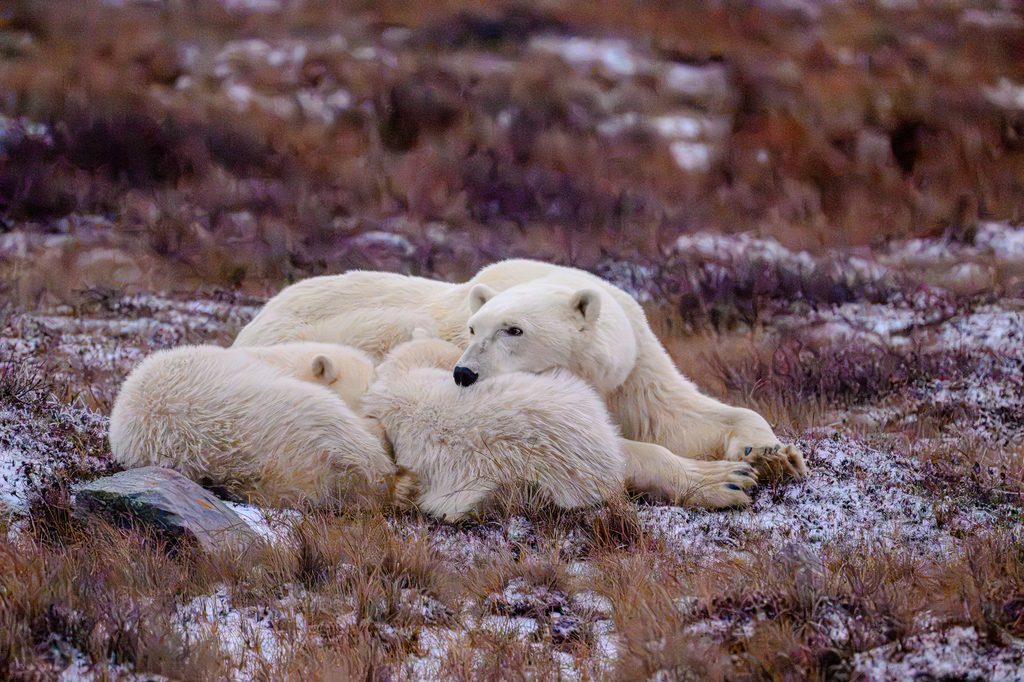
I spent much of that time deleting near duplicates. At 20 frames per second on the Nikon Z9, a bear taking a few steps can give me many photographs that look almost identical as thumbnails. Look closer, and a paw has lifted, the head has turned a little, or the eye has gone from open to almost closed. One of those small differences can be the reason I keep a picture.
I noticed several bears slowly narrowing or closing their eyes as they walked. Their eyes also seemed smaller in the frame than those of other bears I’ve photographed. The vegetation in front of and behind the animal confused the autofocus. I could see that happening frame by frame once I got home.
Seeing where the camera focused
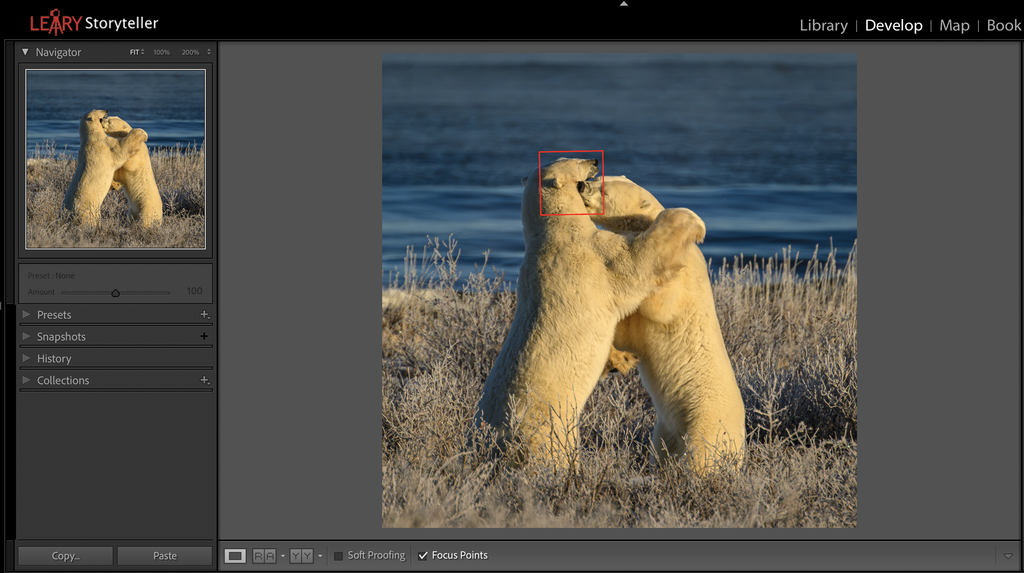
The November update to Lightroom Classic came at a good time. Version 16.0 can display the autofocus points recorded in supported original raw files, including my Nikon NEFs. In the Library or Develop module, open a photo in Loupe view, right-click it, and choose Show Autofocus Points. Adobe says the red box shows where the camera locked focus. Gray boxes mark other recorded focus points. Adobe’s guide to viewing focus points
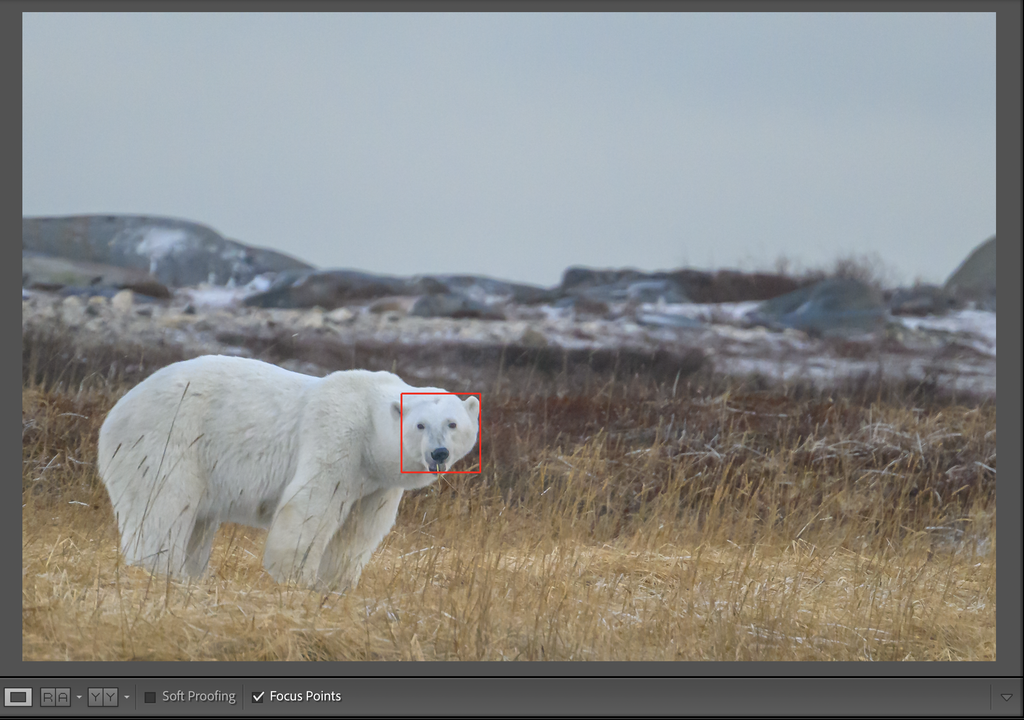
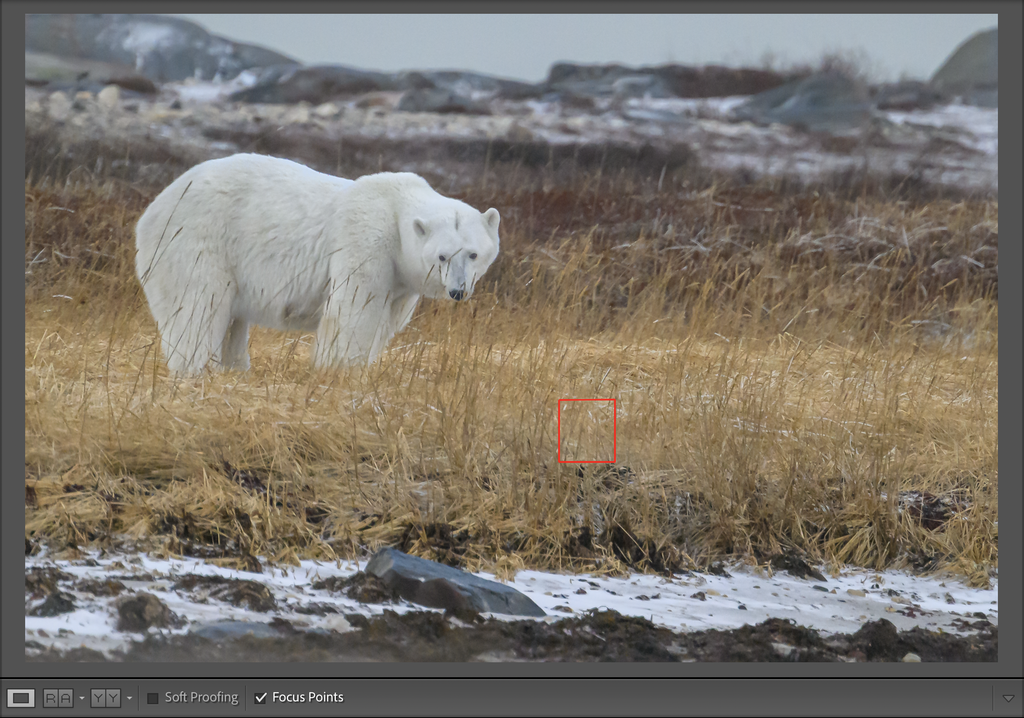
Focus is on the grass
That overlay gives me a place to start. If the red box lands on a stem in front of the bear, I can zoom in and see whether the stem is sharper than the eye. If the box lands where I wanted it, I still look at the eye and the fur around it at 100 percent. The box shows what the camera recorded. The detail in the picture tells me whether I got the frame I wanted.
What I keep coming back to
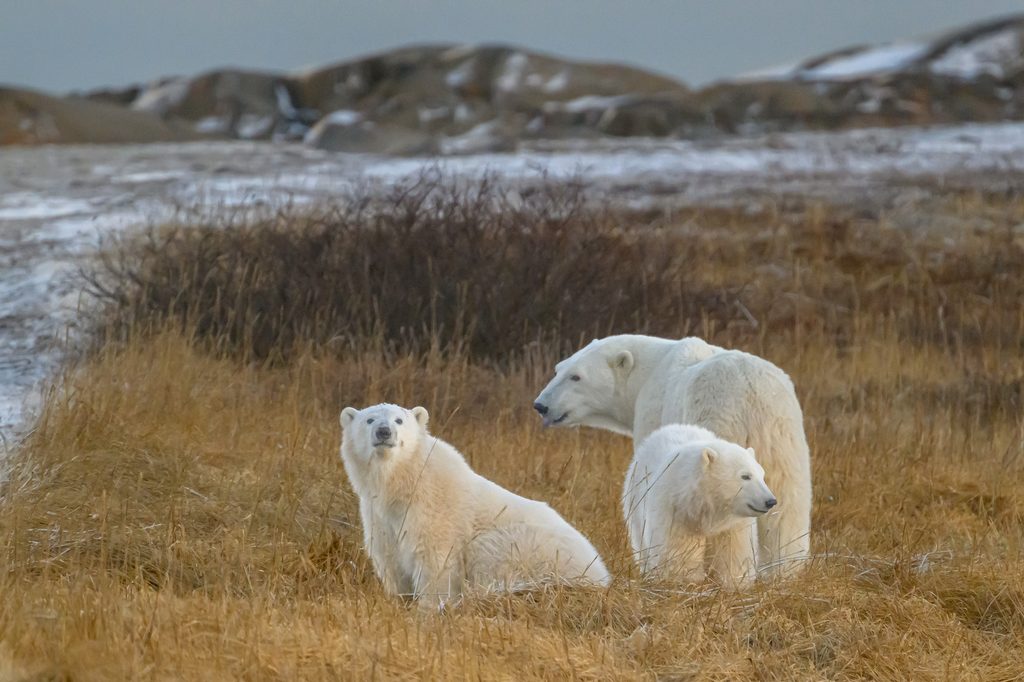
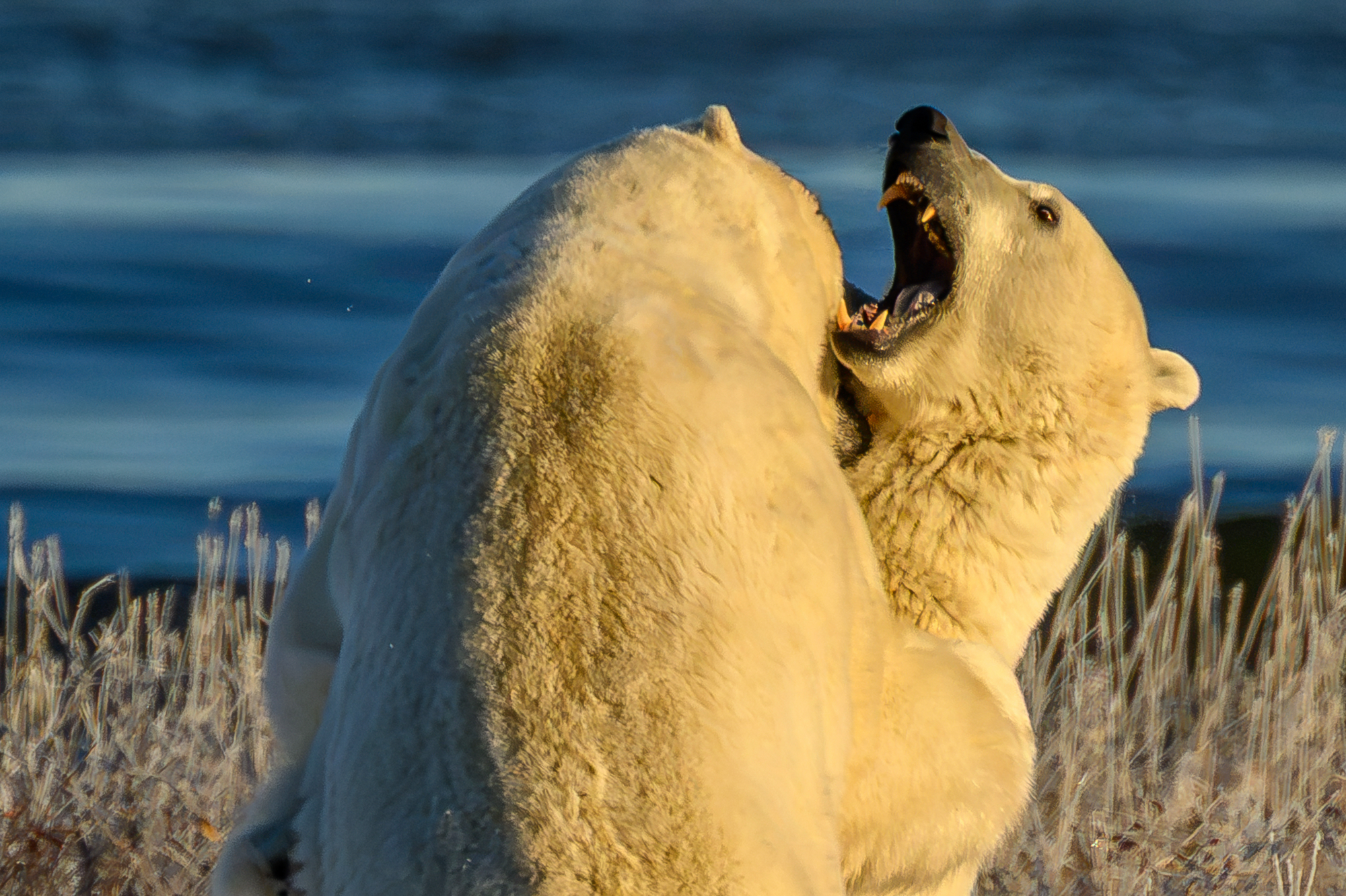
When I get past the question of which frame is sharp, I find myself looking at the water behind the bears. I was excited about the photographs I was making, and I was sad to see so much open water along the shore while we were there.
The researchers and conservationists we heard from in Churchill helped me understand what I was looking at. Polar bears in Western Hudson Bay spend the summer on land after the sea ice melts. In the fall, many move toward the coast and wait for ice to form so they can get back out and hunt seals. Polar Bears International reports that the ice-free period there is now three to four weeks longer than it was in the early 1980s. That means more time living on stored fat before the bears can return to their hunting grounds. Polar Bears International on Western Hudson Bay
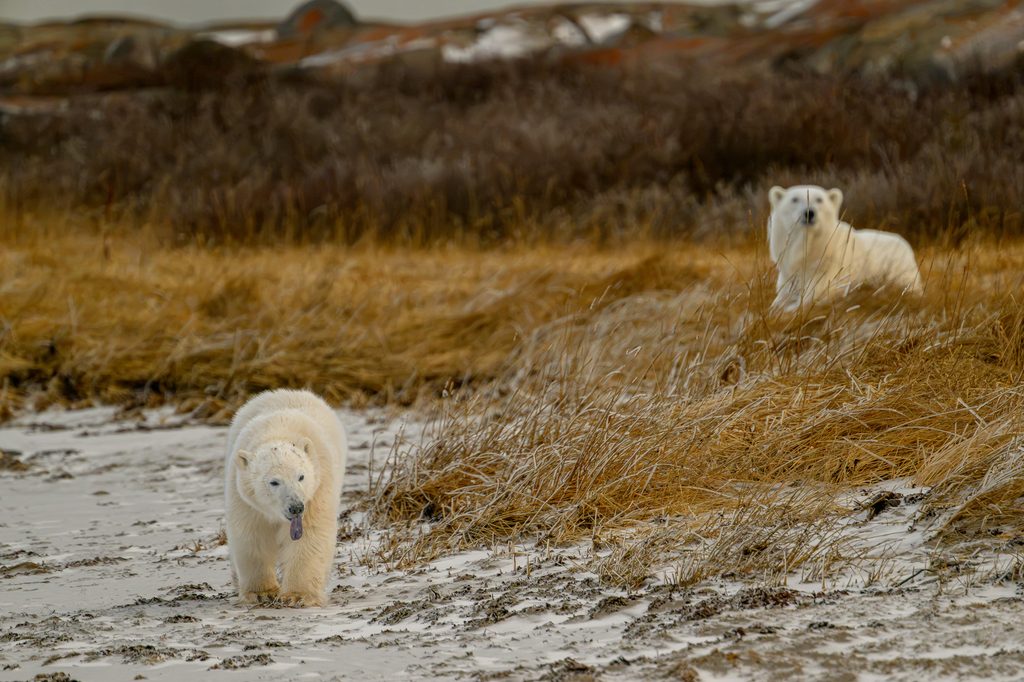
A number of people have asked me to share these photographs, and it looks like I may have several opportunities to do that. I’m looking forward to showing the pictures and sharing what I learned from the people who study the bears and work to conserve them. I think I’ll start with a frame that shows a bear and the open water behind it. When I first looked through the viewfinder, I was watching the bear. When I look at that shoreline now, I think about what the bear was waiting for.