|
Getting your Trinity Audio player ready...
|
When a client hires another photographer, they can still get photographs. Another videographer can record the interview. Another writer can put the story into words.
That is a humbling reality for those of us who make our living doing creative work.
It also raises a useful question: Beyond the finished work, what does a client gain by having you there?
When I am at the gym working out on the recumbent bike, I often pull up YouTube videos. While I’m exercising, I like to stretch my brain, too.
One video I watched was Simon Sinek’s “7 Habits That Will Make You Irreplaceable.” It got me thinking about what keeps clients coming back to a particular creative.
Its emphasis on purpose, trust, curiosity, and caring for others is especially relevant for photographers, videographers, and storytellers.
We spend considerable time developing our craft. We should. Exposure, lighting, composition, audio, editing, and writing all matter.
But a strong portfolio shows only part of what someone experiences when they hire us.
They also experience our preparation, our questions, how we respond to problems, and how we treat the people whose stories we tell.
Those are worth developing with the same intention we bring to our technical skills.
Understand what the work needs to accomplish
A client asks for headshots. We immediately start thinking about backgrounds and lighting.
Those decisions matter. First, though, we need to understand how the photographs will be used. Are they introducing a leadership team? Are they helping customers recognize the people serving them? Are they bringing consistency to an organization’s website?
The answers influence what we create.
The same applies to a video. Before discussing cameras, ask who needs to watch it and what they need to understand afterward.
A beautiful production can still miss its purpose.
Throughout my work in photojournalism, corporate communications, and teaching, I keep returning to the importance of connection. I want my work to help people understand one another better.
That purpose helps guide my decisions. It also reminds me that an assignment begins well before I pick up the camera.
Care for the person in front of the lens
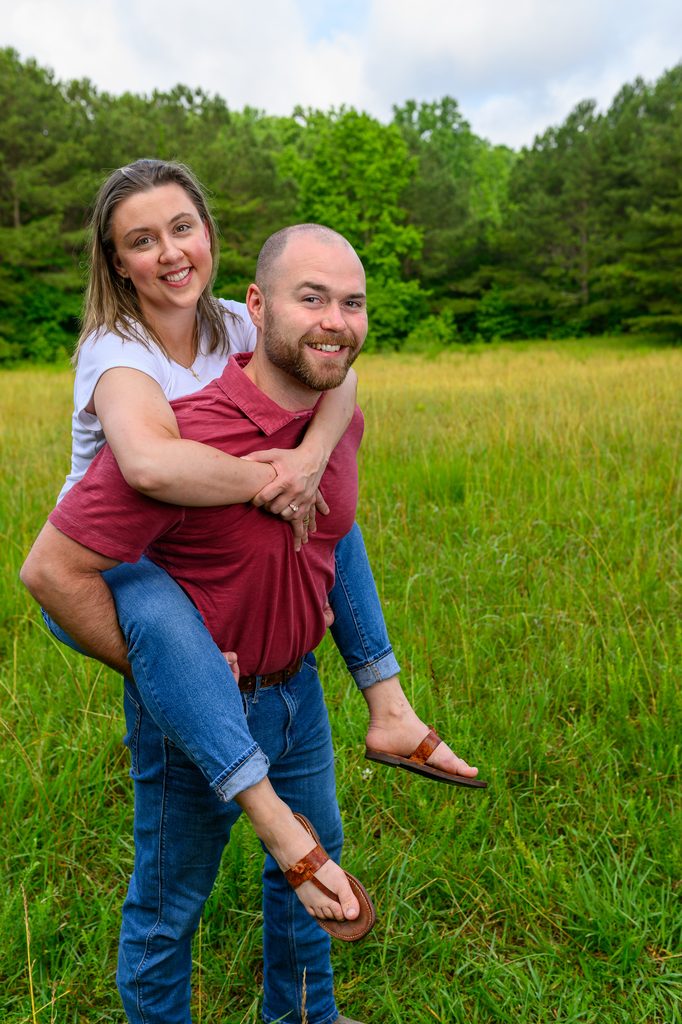
For us, a portrait session may be one of several assignments that week. For the person being photographed, it may be something they have been dreading.
An interview subject may be worried about saying the wrong thing. Someone sharing a difficult experience may be deciding how much they can trust us.
Our behavior helps shape what happens next.
Explain the process. Give clear direction. Allow someone time to think. Pay attention when they seem uncomfortable.
In an interview, leave room for an answer to develop. Sometimes the most meaningful part comes after the response someone had prepared.
The care we offer becomes part of the conditions in which we create. When people feel respected, we’re more likely to create photographs and stories that reveal something meaningful about them.
Make reliability part of your craft
We like to talk about the memorable photograph. Clients also remember whether they had to chase us for it.
Did we confirm the assignment? Arrive with enough time to prepare? Deliver when promised? Explain how to access the files?
These ordinary details become especially valuable when a client is managing an event, answering to leadership, or juggling several vendors.
Clear communication reduces uncertainty. Consistent follow-through builds confidence that they’ll hire us again.
That includes being honest when something goes wrong. If a delivery will be late, tell the client early, explain the situation, and offer a realistic plan.
Our reputation develops through the whole assignment.
Ask questions that improve the assignment
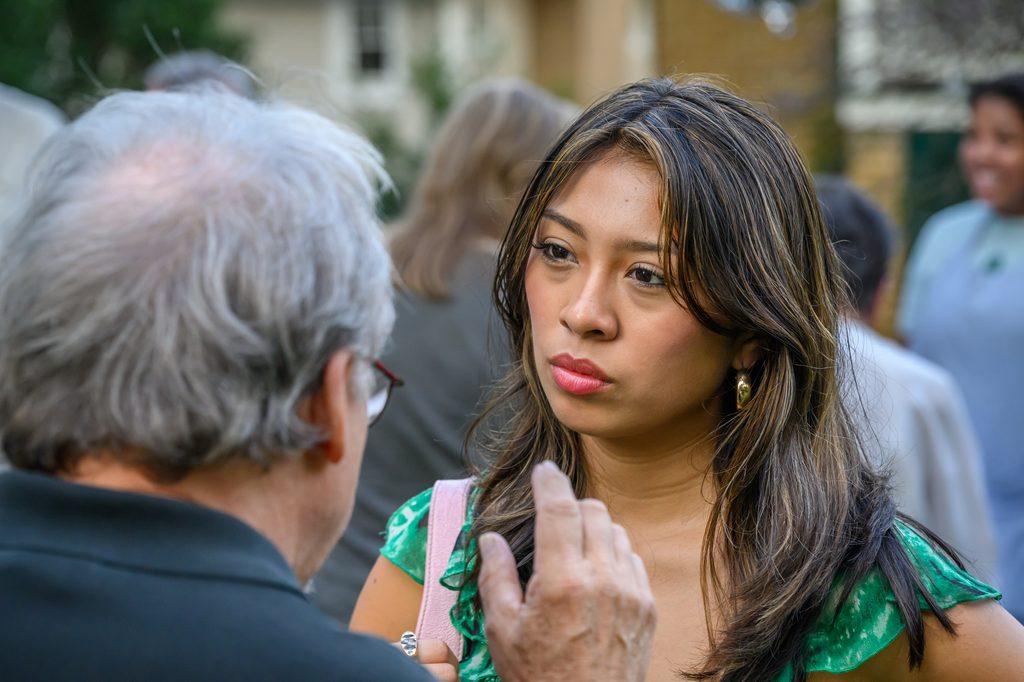
Experience helps us anticipate what a client needs. It can also tempt us to assume we already know.
Curiosity keeps that assumption in check.
Before an assignment, consider asking:
- Who is the audience?
- What do people misunderstand about this subject?
- Whose perspective are we missing?
- Where will the finished work appear?
- What would make this assignment successful for you?
Those questions can change what we photograph, whom we interview, and how we edit.
A client might request photographs of a speaker when the more useful coverage also includes participants putting the ideas into practice. A video brief might focus on an organization’s services when an interview with someone receiving those services would help the audience understand their significance.
Our judgment becomes valuable when it helps connect the assignment to its purpose.
Help the whole team succeed
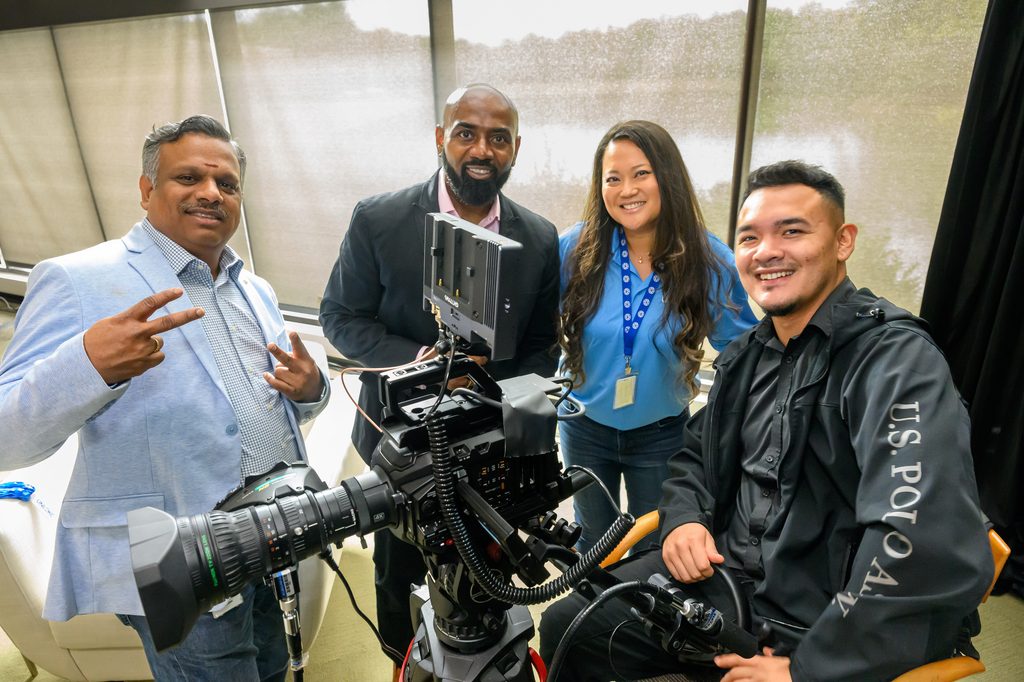
Creative work depends on more people than the person receiving the credit.
An assistant notices a problem with the light. A communications coordinator gets the right people into the room. An editor recognizes the strongest opening. A subject trusts us enough to share something important.
Acknowledge those contributions.
When a problem falls within your responsibility, own it and help resolve it. When someone else has expertise you need, listen.
We also need relationships with other creatives. We’ll have assignments we cannot take on and projects that require skills beyond our own.
Recommending a capable colleague helps a client solve a problem. Sharing knowledge strengthens the people around us. Building a dependable team expands what we can accomplish together.
I want people to trust my judgment, including my judgment about when someone else would serve them well.
Keep learning—and protect your ability to continue
Curiosity matters long after we become competent.
There is always another way to light a portrait, conduct an interview, organize an archive, or help an audience understand a story. Learning also includes asking clients what worked and where the process could improve.
But being valuable doesn’t require constant availability.
We need sustainable fees, clear expectations, rest, and time with people we love. Exhaustion can affect our patience and judgment—the very qualities clients depend on.
And we need to be honest about the word “irreplaceable.” Good people lose assignments. Budgets change. Organizations restructure. A valued relationship cannot guarantee continued work.
I know from my own career that doing meaningful work and experiencing a layoff can both be part of the same story.
That makes it important to build a professional life around something broader than being needed by one organization.
Give people a reason to trust the next assignment to you
A portfolio helps someone imagine what you could create.
Working with you teaches them what they can count on.
They learn whether you prepare, listen, respect their people, solve problems, and follow through. Over time, those experiences give them reasons to call again—and reasons to recommend you.
Before your next assignment, choose one part of that experience to improve. Ask a better question. Clarify a deadline. Give someone more time to answer. Thank the person who helped make the work possible.
Keep making stronger photographs, videos, and stories.
Then give the same attention to being someone people are glad to have beside them while the work gets done.