|
Getting your Trinity Audio player ready...
|
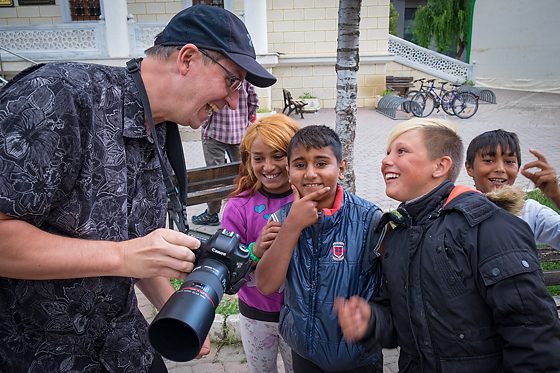
Before filming began, the team gathered with missionary Judy Bown in Togo, West Africa, to discuss her story and clarify the purpose behind the video. As coaches and producers, we took time to listen, ask questions, and collaborate, making sure we understood Judy’s heart and message so we could tell her story with authenticity and impact.
One of the biggest myths in photography and video work is that the magic happens when you hit record or click the shutter.
But after more than 40 years behind the camera, I can tell you—the magic happens before the shoot begins.
Whether I’m shooting for a brand or nonprofit or capturing stories on the mission field, every successful visual story starts with planning. That separates a memorable, high-impact story from just a collection of clips or snapshots.
Start With the End in Mind
Before anything else, ask this question:
How will these photos or videos be used?
Are they going to live on social media?
Played on a big screen during a donor gala?
Embedded in an email campaign or printed in a glossy magazine?
Understanding the audience and the delivery format is key. If the video is going to be seen on mobile devices, you’ll shoot and frame differently than if it’s on a 30-foot screen in a ballroom.
Knowing the platform helps you frame the story correctly—literally and figuratively.
What’s the Purpose?
Before you make a shot list, define the purpose.
Is this video meant to recruit volunteers? Raise funding? Celebrate a team milestone?
Once you know the “why,” everything else flows from there. That purpose becomes your creative compass. A shot list is helpful, especially for capturing all those extra details—like group shots or signage—but it should serve the purpose, not replace it.
Why a Walkthrough (or a Preplanning Meeting) Is Gold
If the shoot is happening at a new location or for a new client, ideally you’d do a walkthrough of the space. You’d look at the light, sound, traffic flow, and where you can (and can’t) be during key moments.
But let’s face it—that’s not always possible.
A thorough pre-event call or planning meeting is necessary if a walkthrough isn’t realistic. That’s where you uncover all the hidden landmines:
- “We want drone shots…but it’s in a no-fly zone.”
- “We’d love shots of both the VIP room and the general session—simultaneously.”
- “Can you get footage of us setting up at 5:30 AM?”
You need to know these things before showing up with a single camera bag.
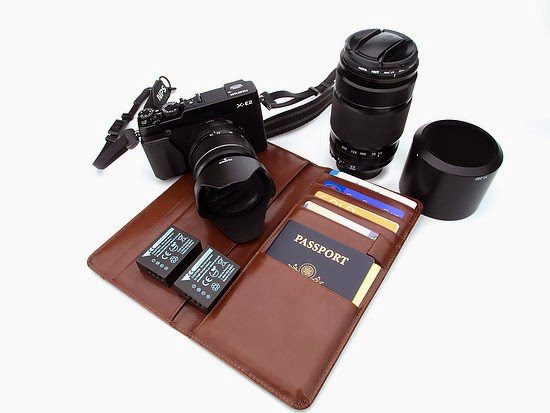
Without Planning, You May Not Have the Right Gear
Have you ever shown up and realized you needed a long lens for the stage shots but only brought your 24-70mm?
Or assumed you’d have access to AC power, but the lights need battery packs?
Or did you bring your gimbal but forget the mounting plate?
Preplanning helps prevent these failures. Without it, you’re guessing—and guessing leads to missed shots.
A Timeline is Everything
A run of show is one of the best tools a client can give you. It outlines when things are happening and where you need to be.
Even better? A simplified timeline for you that highlights where you need to be, and when, based on the shots you’re expected to deliver.
Sometimes, preplanning reveals moments when you’d have to be in two places at once. That’s your cue to say:
- “We’ll need to move one of those to another time.”
- “You’ll need a second shooter,” or
- “We can’t promise to cover both unless something gives.”
You don’t want to be negotiating that in the middle of the event.
Top 5 Mistakes You Avoid with Preplanning
- Being under-equipped – No gaffer tape, insufficient memory cards, wrong lenses? Planning prevents it.
- Missing key moments – If you don’t know what matters most to the client, you may not be there when it happens.
- Inconsistent lighting/sound – Scouting ahead helps you anticipate lighting or audio issues you can’t fix in post.
- Double-booking your time – Planning reveals when you’d need to be in two places simultaneously.
- Client disappointment – You captured beautiful shots, but not the ones they needed. Purpose and planning prevent that.
Preplanning Checklist for Any Photo/Video Shoot
Here’s a quick checklist I use and recommend to every visual storyteller:
- Define the audience: Who will see this? How?
- Know the purpose: What is this content meant to accomplish?
- Scout the location (or get photos/videos if you can’t be there)
- Review the run-of-show or schedule
- Schedule a pre-planning meeting with the client
- Build your shot list (based on purpose + extra requests)
- Confirm permissions (location access, photo releases, FAA clearance if flying a drone)
- Check gear list against what’s needed (cameras, lights, audio, backups)
- Prep for backups: cards, batteries, backup body or audio recorder
- Identify possible “problem moments” (low light, loud environments, tight turnaround)
- Prep your delivery timeline and process (how soon do they need the edits?)
Bottom line:
Your camera doesn’t create the story—you do.
And that story doesn’t begin on the day of the event. It starts with a conversation, a purpose, and a plan.
Want to make your next story your best one yet?
Start early. Plan well. And walk in confident that you’re ready to tell a story that moves people.