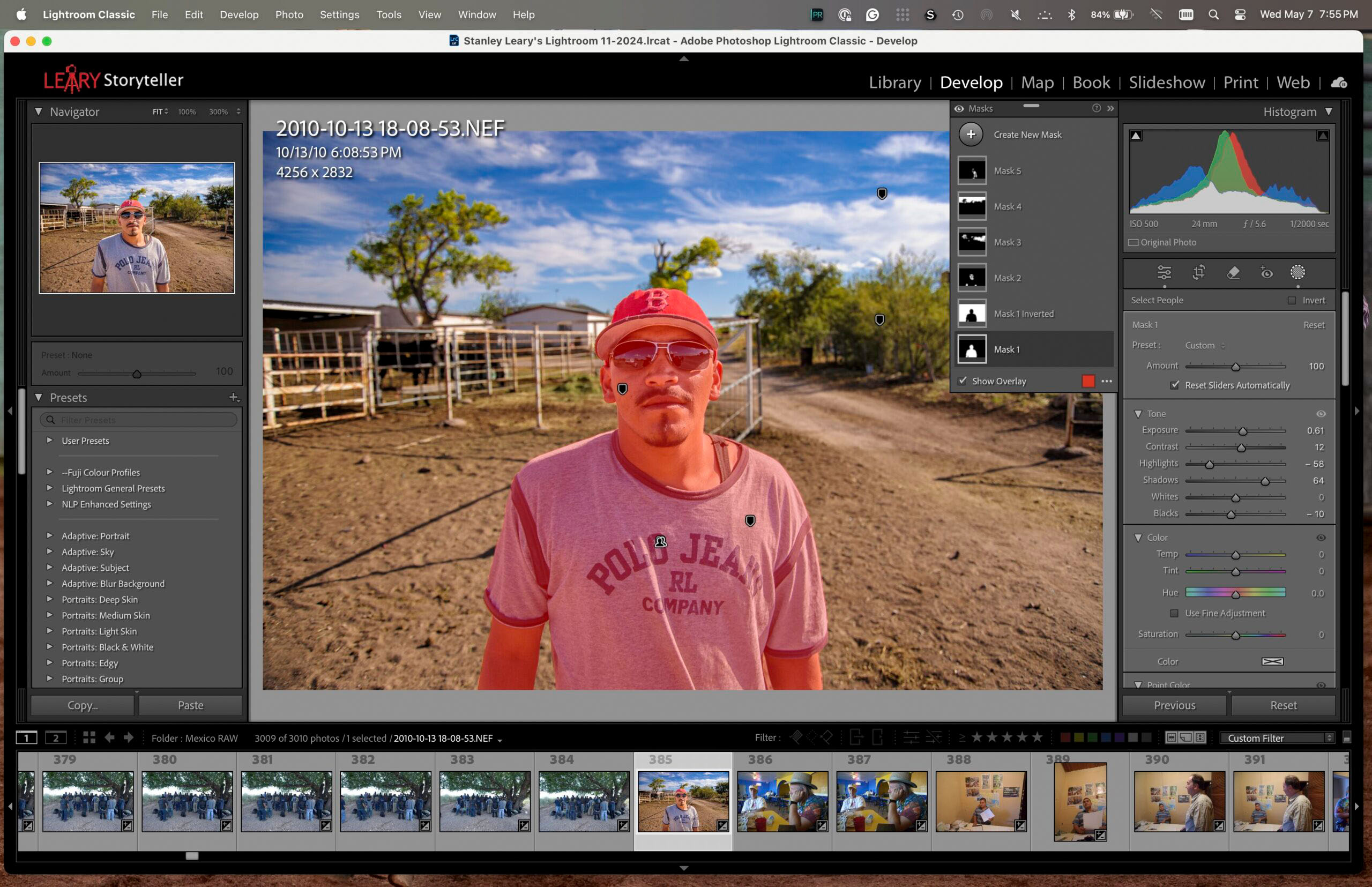
Why I Shoot RAW: It’s All About the Latitude

Reading Time: 2 minutes

When people ask me why I still shoot in RAW instead of JPEG or TIFF, I smile and say, “It’s about options.” But let me break that down a bit more, because the truth is—RAW gives me the latitude I need to tell better stories.

In photography, light is our paintbrush. But we don’t always have perfect light. You may shoot in mixed lighting, harsh sun, or an indoor scene where the shadows swallow your subject. That’s where RAW steps in and saves the day.

Before Editing RAW

White Balance Fixes After the Fact

When you shoot in JPEG, your white balance is baked in. Miss it, and your colors are stuck in that decision. But a RAW file? It’s like a digital negative. You can shift the white balance in post without degrading your image. That means more accurate skin tones, true-to-life colors, and fewer frustrated hours trying to “fix it in Photoshop.”

After Editing Using AI Masking

Recovering Highlights and Opening Shadows

Have you ever had a blown-out sky or lost detail in someone’s face because they were backlit? A JPEG may be toast. A RAW file, on the other hand, holds onto way more detail, especially in the highlights and shadows. You can pull back that blown sky or lift the shadows under a brimmed hat without making your image look fake.

AI Tools Make RAW Even More Powerful

And here’s what’s exciting in 2025: I can now make complex, local adjustments with Adobe’s AI masking tools with just a click. What used to take me an hour or more—masking a face, background, or clothing individually—can now be done in seconds.

Want to brighten just the subject’s face without touching the rest of the photo? AI does it.

Want to open up the shadows in a forest scene without overexposing the sky? AI does it.

But here’s the kicker: these tools are only as powerful as the data you give them. If you’re shooting JPEG, that latitude—the dynamic range, the color depth—is already compressed and limited. AI can’t recover what’s not there. But with RAW, all those details are still in your file. The AI helps you bring it out.

Final Thought

I shoot RAW because I believe every story deserves to be told with depth, clarity, and emotion—and RAW gives me the room to do that. Especially now, when the tools are so good, there’s no reason not to take full advantage of what your camera can capture.

So whether you’re shooting for clients, nonprofits, or just making images you love—give yourself the gift of latitude.

Shoot RAW. Tell it better.

Why Human Storytellers Still Matter in an AI World

Reading Time: 2 minutes

Everywhere you turn, someone’s talking about how AI is changing everything—from writing scripts to editing videos and even generating photos. As a storyteller who’s spent decades working alongside nonprofits, missionaries, and small businesses, I see the power of these tools. They can speed up workflows and help organize ideas. But here’s the truth that too often gets overlooked:

AI doesn’t feel. It can’t listen with its heart. It can’t sit quietly in a room and sense what’s happening beneath the surface.

A young girl eats a cracker during the church service at L’Église Baptiste Biblique de Tsiko, Togo.

I’ve been in huts in West Africa, cramped apartments in Eastern Europe, and rural towns across the U.S.—camera in hand, listening for the heartbeat of a story. What makes those stories resonate isn’t just the visuals or clean audio. It’s the empathy. It’s the relationship I’ve built with the person sitting across from me. It’s knowing when to ask a question, and more importantly, when not to.

AI can string together words, but it can’t replace presence. One moment that stays with me was while filming a missionary family in Togo. As the mother shared about the challenges they faced with their child’s health, there was a pause—her eyes filled with tears. That silence… that space… spoke louder than words. I didn’t interrupt. I didn’t prompt her to keep talking. I just let the moment breathe.

A woman speaks with a nurse (out of frame) during a medical clinic at the football field on Strada Independenței in Hiliuți, Fălești District, Moldova.

AI would’ve missed that. Or worse, tried to fill it in with what it thinks people want to hear.

The same goes for storytelling through photos. One of my mentors, Don Rutledge, taught me the power of context. A great image isn’t just about lighting and composition. It’s about showing people within their world—the complete picture of their dignity, struggle, and joy. That takes patience, trust, and relationship-building. AI can generate an image, sure. But it won’t travel the world with you. It won’t pray with a family before you hit “record.”

When a nonprofit or mission agency hires me, they’re not just hiring a camera operator. They’re inviting a partner who knows how to listen well, ask the right questions, and honor the stories they hold sacred.

That’s why human storytellers still matter.

In an AI-saturated world, authenticity is our superpower—not perfection or polish, but honest, human connection.

So, while I embrace today’s tools, I hold even tighter to the craft I’ve been honing for 40+ years—storytelling that breathes, connects, and changes lives.

Because stories still matter. And so do the people who tell them.

Tagged :

Honoring the Heart of Healthcare – National Nurses Day

Reading Time: 3 minutes

Today is National Nurses Day, and I want to take a moment to recognize the often unseen and underappreciated heroes working on the front lines of healthcare worldwide: nurses.

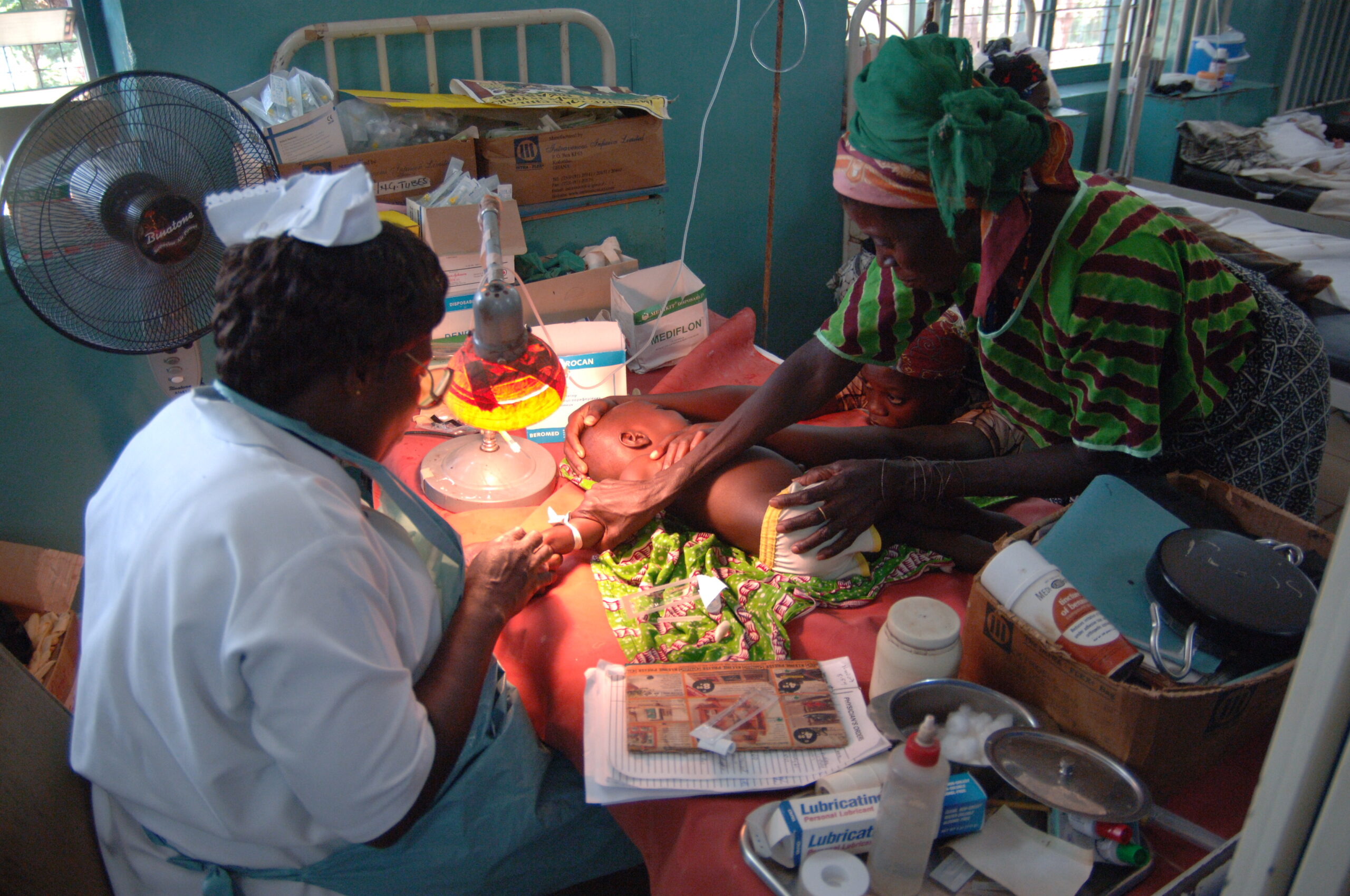
In my work as a visual storyteller, I’ve had the privilege of photographing nurses in Ghana, Togo, and Nicaragua, and what I witnessed left a lasting impact on me.

Surgeon Danny Crawley is in theatre doing a hernia operation, and Comfort Bawa, a nurse theatre assistant, helps him at the Baptist Medical Centre in Nalerigu, Ghana.

Today, on International Nurses Day, we honor the dedicated nurses at Baptist Medical Centre (BMC) in Nalerigu, Ghana. Since its founding in 1958 by IMB missionary Dr. George Faile II, BMC has been a beacon of healing and hope in northern Ghana. Nurses at BMC play a vital role in providing compassionate care, often going above and beyond their duties to serve patients from Ghana and neighboring countries.

Mary Bukuri and Twumasi Bawa, nurses, help George Faile, general practitioner, with his early rounds seeing patients at the Baptist Medical Centre in Nalerigu, Ghana.

Nurses at BMC are the heart of this mission. From the pioneering days of missionary nurse Diana Floretta Lay, who served for 37 years and helped expand the hospital from 40 to 110 beds, to today’s local professionals like Senior Nursing Officer Kingsley Kombat, their commitment has never wavered. Despite resource limitations, these nurses provide critical care gracefully and resiliently, often under challenging conditions. Their work addresses physical ailments and embodies the love and compassion central to their faith, profoundly impacting the communities they serve.

Even in the absence of nurses in the frame, their presence is felt in every bandage, every IV drip, and every step toward healing. On this Nurses Day, we celebrate the unseen heroes at Hôpital Baptiste Biblique, whose tireless care supports patients through some of their most vulnerable moments.

We celebrate the extraordinary nurses serving at Hôpital Baptiste Biblique (HBB) in Tsiko, Togo. Since its founding in 1985, HBB has provided compassionate, Christ-centered care to thousands, with nurses at the heart of this mission. These dedicated professionals not only tend to physical ailments but also share the hope of the gospel with every patient, embodying a holistic approach to healing.

The hospital’s three-year Nursing Education Program, established in 1997, has been instrumental in training Togolese men and women to serve their communities through nursing. Graduates of this program are equipped to provide care that addresses spiritual, physical, emotional, social, and intellectual needs. Their commitment has been vital in sustaining the hospital’s operations and expanding its reach through mobile health clinics and community health evangelism initiatives.

Nurse Tracy Warner gently checks on a woman struggling to breathe, just a day before she would pass away. With limited options, all Tracy could offer was pain relief and her compassionate presence in the woman’s final hours. On Nurses Day, we honor caregivers like Tracy who bring comfort when healing is no longer possible.

In Nicaragua, I had the honor of documenting Tracy Warner, a nurse who ventured into remote villages to care for people who rarely, if ever, saw a medical professional. With no backup team, no modern equipment, and limited resources, Tracy offered what she had — skilled hands, a listening ear, and a heart for the people she served. Watching her work was a powerful reminder that healthcare isn’t just about medicine — it’s about presence.

These moments remind me that nursing is more than a job—it’s a calling. While today many of us will celebrate nurses in our local hospitals and clinics (rightfully so!), let’s also remember those serving quietly, faithfully, and courageously in some of the world’s hardest-to-reach places.

I’m sharing a few photos to show the conditions and honor the spirit of care that transcends borders.

To all the nurses out there: Thank you. You are seen, appreciated, and a hero.

Tagged :

When Words Aren’t Enough: Why Music and Photography Let My Soul Speak

Reading Time: 2 minutes

For as long as I can remember, words have never quite been enough.

They often come out tangled, too late, or not at all. Growing up on the autism spectrum, I struggled with language, both the written word and the spoken one. But there was always something else… something that felt like a native language to me.

Music
Photography

Two art forms couldn’t be more different in how they look, but they are the same in how they feel. Both are languages of the soul, bypassing the noise of words and letting something deeper rise to the surface.


A Melody or a Moment Can Say What I Can’t

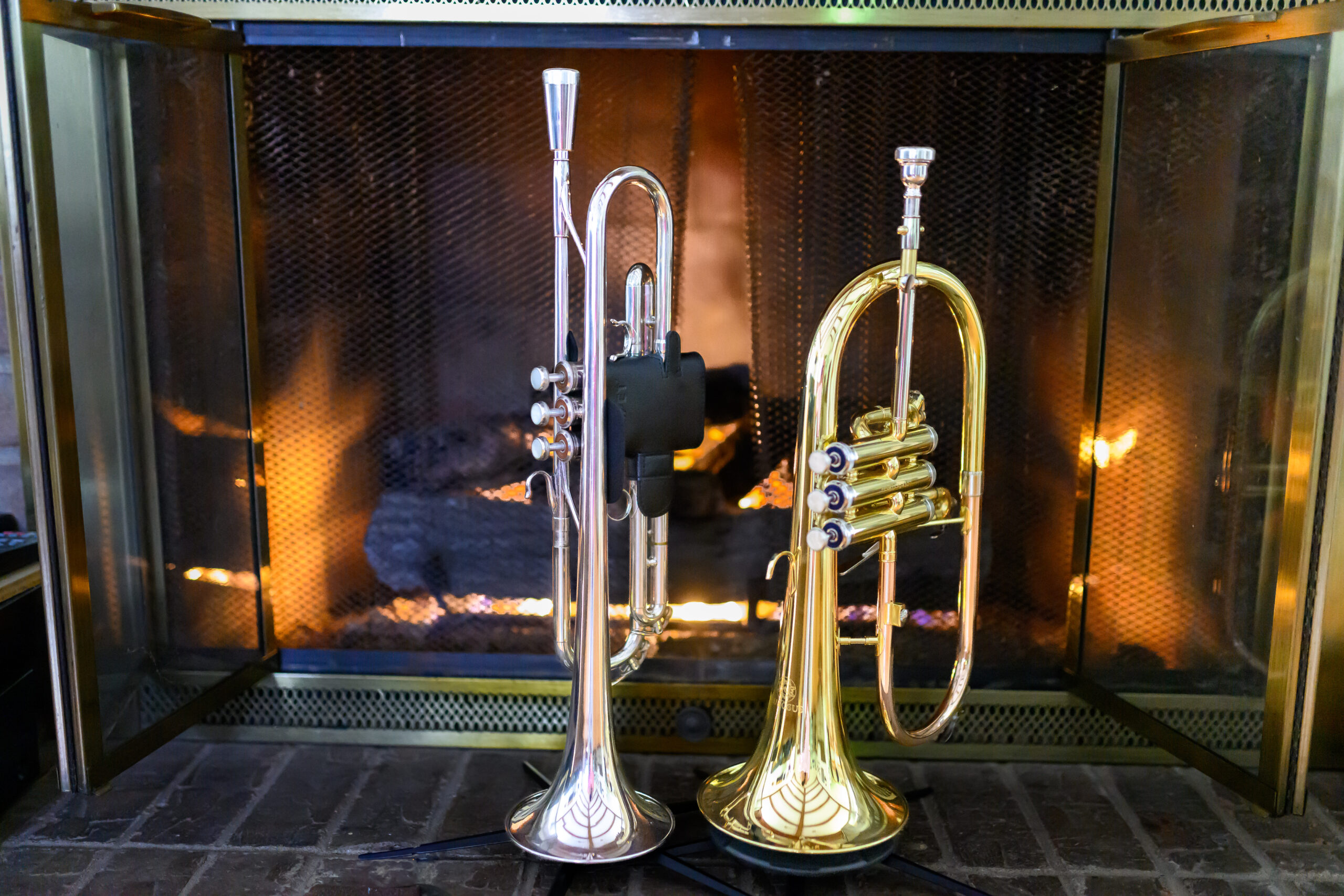
When I pick up my trumpet, flugelhorn, or cornet, it’s not just to make sound — it’s to make sense of my world. The same thing happens when I lift a camera to my eye. These aren’t hobbies or skills I’ve picked up; they’re how I speak when speaking fails.

Research shows that music and photography light up some of the brain’s emotional and sensory centers. I didn’t need science to tell me that — I’ve lived it. For those of us who process the world differently, structure and creativity aren’t opposites — they’re allies.

A camera has settings, and a trumpet has keys and scales. That structure gives me freedom. I can tell a story and show my feelings without getting lost in sentences that never quite land.


The Power of Being Seen and Heard — Without Speaking

Both photography and music are about noticing the details most people miss:

– A glimmer of light on a face.
– The shift in a minor chord that turns happiness into longing.
– The moment before the tear falls.

People on the spectrum often have heightened sensitivity to light, sound, texture, and emotion. Some see these as “challenges.” But in the arts, they become superpowers. They allow us to go deeper, to notice what’s underneath the surface, and to bring it into the light or give it voice.


When Friends Say Nothing, It Means Everything

Despite how much I’ve learned, words still have their limits. In moments of deep sadness or grief, I’ve found that the most healing thing isn’t what people say — it’s simply that they show up and sit with me.

Silence, shared presence, a held hand, or a friend just being there — these are often more powerful than any comforting phrase. Just like a photo can speak a thousand words, or a melody can bring tears without lyrics, presence is its language.


This Is Why I Do What I Do

As a storyteller, musician, and photographer, I help others find their voice, especially when words don’t come easily. I work with nonprofits, missionaries, and businesses to help them show the world who they are through images and story-driven visuals.

And maybe… just maybe… I’m not just telling their stories.
I’m telling mine too.

Whether it’s through a lens or a brass bell, I’ve learned this:

You don’t have to speak to be heard.
You don’t have to write to be understood.
And sometimes, the most powerful stories are the ones that live in silence — until we’re brave enough to give them sound or light.

Tagged :

The Power of Patterns: How Autism Shapes My Life as a Storyteller and Brand Builder

Reading Time: 2 minutes

If you’ve ever worked with me, you know I’m constantly learning. That’s not just a professional habit—it’s wired into who I am.

Being on the autism spectrum has given me a deep appreciation for order, patterns, and systems. I always looked at how things worked beneath the surface as a kid. I use that same instinct in my photography, video, and storytelling work today. Once I recognize a pattern—whether it’s how people move through a scene, how a nonprofit connects with donors, or how light transforms a subject—I can build on it, refine it, and teach it.

Over time, I’ve learned how powerful this is in a constantly changing world. Technology, communication styles, and visual trends shift fast. But when you understand the structure underneath them, you don’t get overwhelmed—you adapt, and you help others do the same.

For example, one of the most significant breakthroughs in my work came when I began to study body language. I realized that reading subtle shifts in posture or expression wasn’t just about being aware but about anticipating moments. This allows me to capture authentic emotion in real time, not just take technically correct photos. It’s what helps me tell visual stories that move people.

The same is true when I work with organizations. I don’t just show up with a camera—I show up with curiosity. I ask questions. I dig for the patterns behind your mission. I want to know what drives your team, what stories your audience needs to hear, and how to connect those dots to your larger goals. That comes from a lifetime of seeing systems where others might see noise.

Learning Empathy—and the Value of Blunt Truth

One of the biggest challenges I’ve faced as an autistic person is learning how to read people emotionally. I’ve always been aware that it doesn’t come naturally for me to pick up on subtle emotional cues or to instinctively respond with empathy in the moment. It’s not that I don’t care—it’s that I often have to pause, study, and think my way through what others pick up intuitively.

Growing in this area has taken years of intentional effort, and I’m still learning. But here’s what I’ve discovered: because I’ve had to work at empathy, I now approach people with a more profound respect for their stories. I ask more questions, listen more closely, and do my best to communicate that I’m in your corner.

That said, sometimes I come across as blunt. I speak directly. I say what I see. For some, that’s surprising. But for many of my clients, that’s also why they trust me. I won’t sugarcoat or sell you something that doesn’t serve your story. If I see a better way, I’ll say it—not to criticize, but because I want you to succeed. I’ve learned that clarity, paired with compassion, is a powerful combination.


This is Why I Do What I Do

I’ve realized that what once made me feel different is my greatest strength. Being on the autism spectrum means I notice things others may miss. I look for the rule behind the moment, and once I find it, I can build something meaningful from it. That’s why I’m so passionate about storytelling. It’s how I make sense of the world —and help others do the same.

So if you’re looking for someone who brings skill and deep attention to the “why” behind your story, I do that. And it’s not just work—it’s how I’m wired.

Tagged :

Big News: FOCUS Has a New Name — Welcome to The Story Thread

Reading Time: 2 minutes

Over the past few years, I’ve walked alongside many of you through conversations, workshops, and stories shared under the name FOCUS. That space was born from a desire to gather with like-minded storytellers, visual creatives, and communicators who want to grow, encourage each other, and ultimately sharpen our craft for something bigger than ourselves.

But like any good story, the journey evolves.

Today, I’m excited to share a fresh chapter: FOCUS is now The Story Thread.

Facebook Group Page

Why the Change?

The word FOCUS served us well. It spoke to clarity, direction, and the intentionality we all aim for in our work. But as our conversations have deepened, I noticed a common thread—no pun intended—running through it all: story.

Whether you’re behind a camera, writing copy, coaching a nonprofit team, or working with missionaries on the field, we’re all chasing the same thing. This meaningful story connects people to purpose.

The Story Thread reflects the heartbeat of what we’ve been doing all along. It’s a space for those who don’t just want to create content, but who want to weave stories that matter — stories that bring clarity, stir compassion, and move people to action.

My Journey to This Point

As a storyteller and brand builder working with nonprofits, Christian ministries, and businesses around the globe, I’ve seen firsthand how powerful stories can be when handled with care. But I’ve also seen how isolating the creative journey can feel. Many of us do this work solo—wearing all the hats, figuring things out as we go, and sometimes wondering if we’re making a difference.

That’s why I created this community in the first place.

This name change isn’t just cosmetic. It’s a recommitment to what I hope The Story Thread becomes—a space where people who care about story, truth, and transformation can link arms and grow together.

You’re Invited: The Story Thread Zoom Call

When: May 9, 2025, 10:00 am – 11:00 am EST
Where: Zoom (email me for the link)
What to Expect:

  • Introduction to The Story Thread
  • A chance to share where you are in your own creative/storytelling journey
  • A discussion around future topics and how we can support each other
  • Open Q&A

This isn’t just a meeting — it’s the start of a conversation I hope will continue in many directions. Whether you’ve been part of the community for a while or this is your first time hearing about it, you’re welcome here.

If something lights up inside you when you hear “purposeful storytelling,” or you’re hungry for a place where your creative faith and calling intersect, The Story Thread was created with you in mind.

Let’s explore where this can go together.

The Power of Consistent Messaging: Breaking Through the Noise with Storytelling

Reading Time: 3 minutes

We live in a world overflowing with noise—messages coming at us from every angle, all vying for attention. It’s easy to feel like your voice, no matter how important your mission, is getting drowned out. That’s why consistency in your messaging—and especially in your storytelling—is one of the most powerful tools you can use to rise above the clutter.

And let’s be clear: storytelling isn’t just a marketing tactic. It’s how you shape identity. It’s how you build trust. It’s how you get people to feel something, not just know what you do, but care about why you do it.

Why Consistency Matters

Imagine hearing about a nonprofit that supports vulnerable families. One week, their story is about clean water. Next, it’s about education. Then it’s disaster relief. While all these causes may be related, if the message feels scattered, the audience won’t know what to latch onto. Inconsistent messaging confuses people, and those who are confused are less likely to take action.

On the other hand, the most memorable organizations and brands stick to a core theme. Think of Charity: Water—every story they share ties back to one consistent narrative: clean water changes everything. Or TOMS Shoes—their early success was fueled by the “One for One” story that made every purchase feel like an act of kindness.

That consistency gives your audience something solid to stand on. When people see the same message, the same voice, and the same values reinforced over time, trust grows. They feel like they know you. And when they know you, they’re more likely to support you.

How Storytelling Anchors Your Message

The beauty of storytelling is that it’s flexible enough to showcase different aspects of your work, but focused enough to keep your core message intact. Every story doesn’t have to be identical, but each one should reflect the heart of your mission.

For example, suppose you’re a ministry that helps people find purpose through community. In that case, every story you tell—whether it’s about a food drive, a mentoring relationship, or a worship night—should be framed through that lens. That’s your anchor.

The same goes for your tone and style. If your stories are usually hopeful and uplifting, don’t suddenly shift into fear-based messaging to get attention. That inconsistency will erode trust, not build it.

Tips for Keeping Your Messaging Consistent

Here are a few simple ways to maintain consistency while still keeping your storytelling fresh:

  1. Define Your Core Narrative
    Know what you stand for. Please write it down. Make sure your entire team is aware of this as well. Everything you create—videos, blog posts, social media updates—should reinforce this central story.
  2. Create a Visual and Verbal Style Guide
    Use consistent language, colors, and imagery that reflect your brand’s voice and values. Whether you’re showing up on Instagram, YouTube, or a newsletter, your audience should recognize your presence.
  3. Use Real Stories to Highlight One Theme
    Let your content breathe with variety, but keep it connected. Feature different people and projects, but filter each story through a consistent theme or value, like hope, restoration, or empowerment.
  4. Repeat Without Apologizing
    Don’t be afraid to say the same thing in different ways. Repetition isn’t monotonous—it’s what builds brand recognition and trust. Your audience often needs to hear the same story multiple times before it sticks.

A Visual Suggestion

Use a photo collage or carousel post showing a series of images that represent your organization’s impact, but with one consistent theme (e.g., “transformation,” “community,” or “hope”) overlayed in text across each image. Bonus: Pair it with a short caption or story to drive the theme home.

Alternatively, a quote graphic works well too. One of my favorite quotes on this topic comes from Simon Sinek:

“People don’t buy what you do; they buy why you do it. And what you do simply proves what you believe.”

Use that as a rallying cry across your content.


Final Thought

In a world full of messages, your goal isn’t just to be louder—it’s to be clearer. Consistency in storytelling helps you do just that. It cuts through the noise and builds a foundation of trust with your audience.

Before sending the following message, ask: Does this reflect who we are and why we exist? When the answer is yes—over and over again—you’ll see a real connection take root.