Three Simple Tips To Improve Your Photos

Reading Time: 2 minutes
 
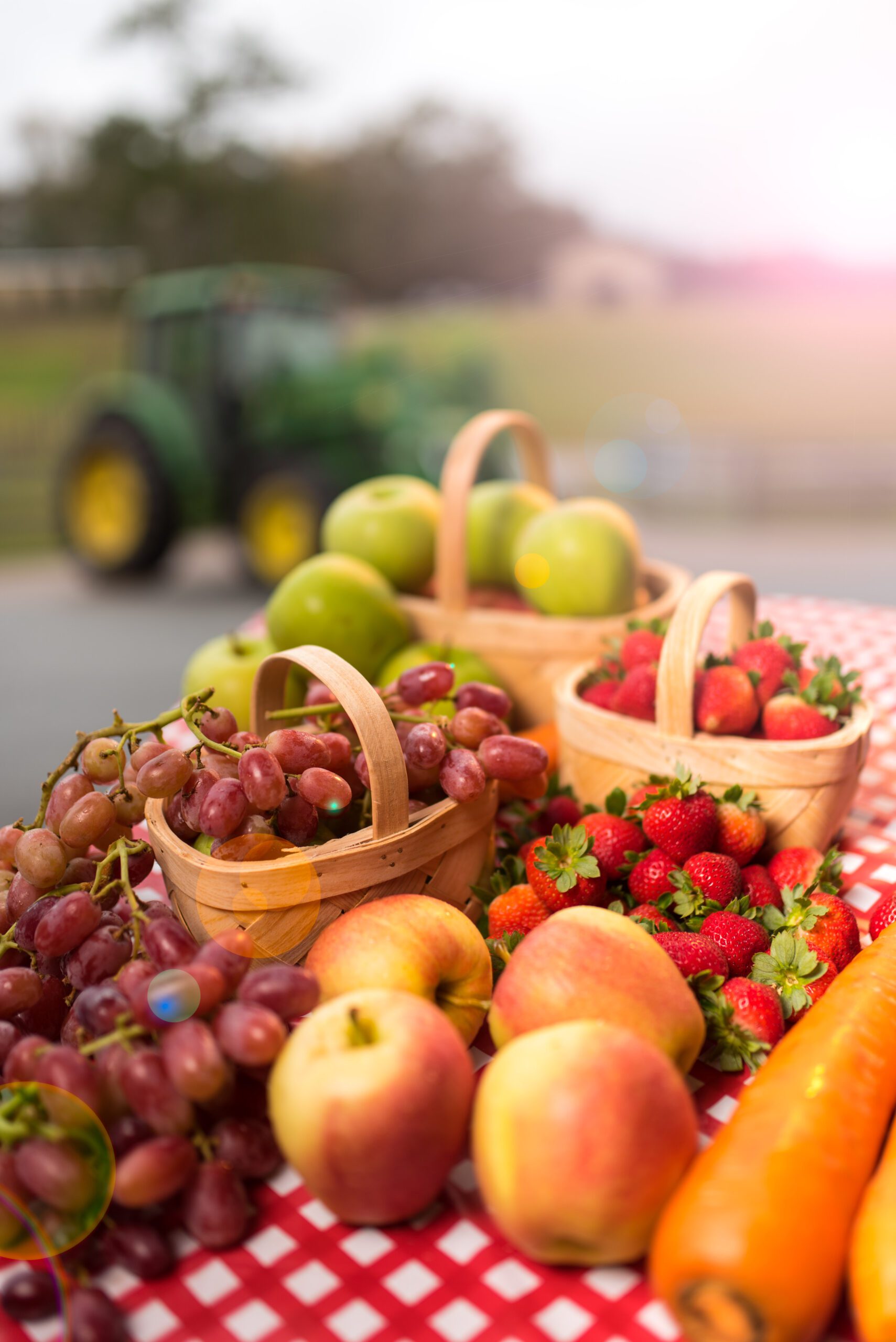
Nikon D4, Sigma 24-105mm f/4 DG OS HSM Art Lens, ISO 1800, ƒ/4, 1/250

Why does this above photo work so much better than the one below?

Nikon D4, AF-S NIKKOR 14-24mm f/2.8G ED,  ISO 250, ƒ/2.8, 1/100

I got much closer. That is the most significant difference between the two photos. I could also control the background more when I got closer and cleaned it up.

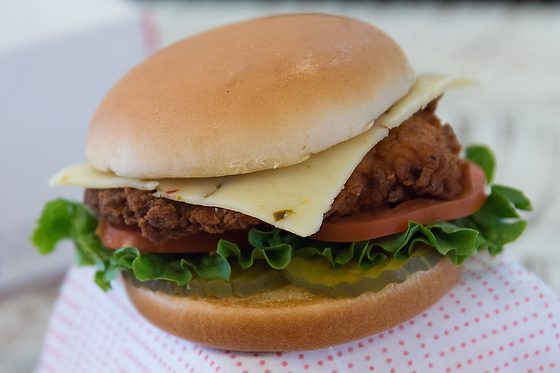
I took pictures of the food closeup without touching the food laid out for the media to see at the most recent Chick-fil-A Grand Opening in Springfield, IL. Look at how great photos are from almost no work except getting the correct Custom White Balance and getting close.

Nikon D4, Sigma 24-105mm f/4 DG OS HSM Art Lens, ISO 1600, ƒ/4, 1/250

Here I chose to single out the breakfast lineup of some of the chicken sandwiches on Chick-fil-A’s breakfast menu.

Nikon D4, Sigma 24-105mm f/4 DG OS HSM Art Lens, ISO 2500, ƒ/4, 1/250

Here I moved around and isolated the grilled chicken you can get at Chick-fil-A.

Nikon D4, Sigma 24-105mm f/4 DG OS HSM Art Lens, ISO 2000, ƒ/4, 1/250

I also shot some of the new power food kale salad of Chick-fil-A’s. I was surprised to hear that the Kale salad from McDonald’s had more calories than the Big Mac. So much for healthy from McDonald’s. Here is the nutrition information for the Kale Superside at Chick-fil-A:

Tips:

  1. Custom White Balance [earlier blog post for instructions on how I do it]
  2. Get Close
  3. Watch your background

First questions to ask when doing a story

Reading Time: 4 minutes

For most of my career, I thought I understood communication pretty well. But then, I worked on staff as a photographer who went out and captured stories.

Here is the basic process of that communication for most of my life:

First, I captured content, which was the Message, and I became the Messenger, using my camera to connect with the Audience.

From the first time I picked up the camera in the early 1980s until about 1995, the only way the Audience saw my work was in print. So, this is how I communicated with the Audience in newspapers, magazines, brochures, posters, and other printed material.

Now all the other messengers I worked with would have competition through the years and still do. So we entered our work [Message] into competitions judged by other [Messengers] and then received our accolades if we won awards.

I have won many different awards through the years.

A little side note is I stopped entering many competitions because the people I admired most [Messengers] were not entering those same competitions. However, I still had my work entered by the institutions I worked with and still won those awards.

I had it all wrong

The problem now with the industry is that jobs are disappearing from those traditional institutions like newspapers. The [Audience] has slowly been leaving. There are many reasons for this, but I believe one problem is as journalists, we may have been asking the five Ws:


  • Who did that?
  • What happened?
  • Where did it take place?
  • When did it take place?
  • Why did that happen?

I was good at asking these questions of the subjects of the stories. I also added the sixth question that a seasoned journalist always added–How did it happen?

While working on my master’s degree in communication, I decided to do this at a Seminary. It was one of the best things I ever did. First, I had some of the same core classes the M. Div. students take. Then, later, when I met my wife, she could use some of my libraries when she did her M. Div.

My communications program was in the education school, and I had to take some basic education classes. So what would typically be a one-year master’s program was two years.

Now I learned in Seminary through preaching and education classes as you need to concentrate on the Audience. The education classes drove this home to me.

Communication experts didn’t pay as much attention to the Audience except to write at a particular grade level. That was all I ever heard about getting to know your Audience up until then.

In the youth education class, I learned that when working with high school students, you must understand their perspectives. For example, talking to theater students using sports metaphors is about as successful as expecting a toddler to read my dissertation paper.

We learned that for education to take place, the educator [Messenger] had to close the loop. So they gave tests that helped the teacher and the student know if the [Message] was received and understood.

Why should the audience care?

We have all been in school and asked the teacher why I needed to know this stuff. Maybe you were lucky like I have been and then had a teacher take the time to help me understand why knowing the material will help me in life.

We need to reverse the process if we want to be effective as communicators. First, we need to start just like teachers and understand our Audience. Then we find the stories that are most relevant to them.

Often teachers give tests on the first of the year to look at what skills the students lack that they must know before going to the next grade. So now they know what the audience needs.

NGO Example

Let’s say you are working for an NGO as a communicator. First, you must always start with who your Audience is, and secondly, why should they care?

I was helping coffee growers in Mexico communicate to their Audience potential buyers of coffee in the United States. But why should someone even consider buying coffee from them versus just buying Folgers coffee, for example?

I interviewed an American who had been buying and selling coffee in his coffee shop in California. I think he helped me answer the WHY? for the Audience. Listen and see if you agree.

[youtube https://www.youtube.com/watch?v=Z4QNgR9t7Qo]
Where should you first start when telling a story? THE AUDIENCE

How to Ruin a Perfect Photograph

Reading Time: 5 minutes
 
 
Nikon D750, Sigma 35mm ƒ/1.4 DG Art, ISO 50, ƒ/1.4, 1/400

The easiest way to hurt your sales on any photograph is not to hide text in a picture. The hidden text in computer files like photos is called metadata.

Now, if you shot your photo with a digital camera, there is already some metadata text inside the image. Even your smartphone captures some metadata. It is EXIF metadata.

EXIF is short for Exchangeable Image File, a format that is a standard for storing interchange information in digital photography image files using JPEG compression. Almost all new digital cameras use the EXIF annotation, storing information on the image such as shutter speed, exposure compensation, F number, what metering system was used, if a flash was used, ISO number, date and time the image was taken, white balance, auxiliary lenses that were used and resolution. Some images may even store GPS information so you can easily see where the images were taken!

That is how I know all that information I put under the photos I post here on my blog. I used PhotoMechanic software and adjusted my preferences to show this information under the image in the software. So it looks like this for me:

Now even if you had photographs as great as Ansel Adams, if you didn’t have some hidden text in the picture, then to find those photos, they would have to look at them somehow. But, still, they couldn’t search for them through Google, or even if they are on your computer, you couldn’t find them using the search function on your computer.

Most people who do not hide text in their photos create folders on their computer and then use the filename as another way to search for the photographs.

Now while your camera phone and digital camera are recording important information into the EXIF data fields, there is another set of data fields that you can use to give you even more versatility. Those fields are called IPTC. [International Press Telecommunications Council]

The IPTC Photo Metadata Standard is the most widely used standard to describe photos, because of its universal acceptance among news agencies, photographers, photo agencies, libraries, museums, and other related industries. It structures and defines metadata properties that allow users to add precise and reliable data about images. It has been around since the early 1990s.

Probably the most used software that lets you embed text [hide text] in photos is PhotoShop. Here is what the file information box looks like:


Now you can see and change a lot of those fields.

Another software used in the industry and especially by news photographers is PhotoMechanic. Here is what IPTC looks like in that software:


Using the search tool on my Mac, I can search any of the text in those fields, and it will pull up everything on my computer that has that string of text. So I searched the copyright field of the IPTC using “© Stanley Leary,” and this is what shows up:

I can click on “Show all in Finder…” and see the list of documents, emails, and, most importantly, photos with this information. So even if your client doesn’t have software to embed text into their images, they can search your photos using the reader and find them.

One more software used in the profession is Adobe Lightroom, and this is how the IPTC shows up in that software:


You can see the IPTC information in the Library Module of Lightroom.

Here is a detailed step-by-step on my digital workflow that explains how I put this information in the photos when I ingest the disks into my computer.

Now the cool thing about all this is you can create your system for file naming and what information you want to put into photos for yourself, and then with each of these software systems, you can export the images using your client’s system.

Now there are so many fields that you can use that I needed to take two screenshots of the PhotoMechanic software to give you an idea of what you can do:

I then scrolled down to show you the rest of the form you can fill out:

MARKETING TIP!!!!

If you are a photographer, you should make your clients aware that you do this, making your photos more valuable because they can find them!!!

If you embed all your photos with metadata IPTC information, then more than just PhotoShop, PhotoMechanic, Lightroom, or the search engines on your client’s computers can see this information. Online database systems will read all this information and make this available to the world to find your images.

PhotoShelter is one provider many photographers and stock agencies use to help market photos. For example, PhotoShelter interviewed me on how I helped Chick-fil-A adopt their Libris system for image archiving. You can see the interviews here on their blog post.

Not for the faint of heart

Accuracy with your metadata is critical. If you misspell a word, then people will not find the image. Metadata is tedious, and many people don’t do it because it is time-consuming.

Most photographers are not all that professional in their work. They like to shoot. If professional football players behaved the way most “professional photographers” work on Sunday afternoon, they would be carried off the field on a stretcher, never to play the game again. You see professional football players lift weights, do cardiovascular workouts, watch what they eat, and practice throughout the week. Most professional photographers just show up at the game time and think that is all they have to do.

You know how your cost of doing business, practicing with stand-in subjects before the subject is in front of the camera, and doing the detail work like metadata is what truly separates successful business photographers from those who only dream of it.

Now you might understand why someone else’s work is published that you think is subpar to your work–others could find their photos.

Photographers who want to get noticed need to be on Instagram

Reading Time: 4 minutes
 

Like me, you are trying to figure out all the social media possibilities. There are many to choose from to help market your brand.

I am falling in love with Instagram.

It is a photographer’s friend. It lets you post your photos, tag them, and write a complete caption if you choose. You are not limited to the 140 characters of Twitter.

One of the people I like to follow is my friend Alex Garcia. Here is a link to his work https://www.instagram.com/alexgarciaimages/

Another photographer I like to follow is Dave Black. https://www.instagram.com/daveblackphoto/

You were limited to a square image space when it first came out. Well, that is why I didn’t enjoy the medium, but then Instagram finally allowed you to post rectangle proportions.

Now the cool thing with any social media is the #hashtag. #Hashtag is when you keyword your photo so that others who are following this keyword will be able to find your picture amongst the millions posting daily. For example, I tagged the above image with #TybeeIsland & #Lighthouse.

Now here I didn’t do such an excellent job with my post. I didn’t use the #hashtag for Romania or the town name. I did, however, use them in the location, which is almost as good. So be sure and use both.

When I posted this photo, I used the #hashtag #headshot and #actress, and within a minute, I had people in Hollywood like the image in the industry. Woo Hoo!!!!!

Did I get a job? Unfortunately, no. However, I am making a connection now within the industry.


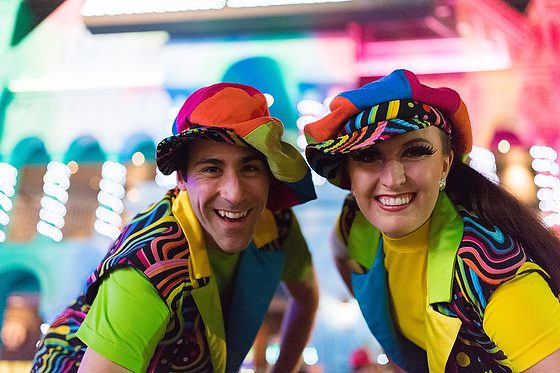
In this photo, I tagged #IslandBreezeiwt, the name of the company that this dancer performs with in Hawaii and around the world. So to be sure they see it, you would tag the photo @IslandBreezeiwt because this is the name of their account.

Start typing @nameofcompany and see if it pops up as a choice. Suppose it does, be sure to use this if you want that company to see your photo.

Talk about getting the marketing department’s attention. That’s what I am talking about!!


Why # and @?

Without using a # or @, your photo is not discoverable. It is the same as walking into your public library and just sticking an image between the books on the shelf and leaving. But, on the other hand, you may hope people find it, and someone day might stumble over it.

However, people use the web much like the public library; they use search terms to help them find the things they are interested in. If you have no tags on your photos, they will not pop up on their feed.

Captions alone are not very helpful for searching as a #hashtag. The @ symbol sends an alert to those with that account. The odds increase by using the @ character with their name that they will see it if they check their account. They will most likely get an email when you link to them like this.

Once people see your image and maybe even like it, they can click on your account name, go to all your pictures, and see your account like mine here. https://www.instagram.com/stanleyleary/

My marketing strategy always drives everyone to my main website, where my complete portfolio, blog, contact information, and more reside. I want everyone to find me quickly and to connect.

If you are a photographer, you need to be on Instagram because this is where people look for photography and photographers.

Could you not take my word for it? Read this article 160+ Interesting Instagram Statistics


What photojournalism has taught me

Reading Time: 3 minutes
 
Nikon D750, Sigma 24-105mm f/4 DG OS HSM Art Lens, ISO 400, ƒ/11, 1/250 

Photojournalism is a particular form of journalism (the collecting, editing, and presenting of news material for publication or broadcast) that employs images in order to tell a news story. It is now usually understood to refer only to still images, but in some cases the term also refers to video used in broadcast journalism. Photojournalism is distinguished from other close branches of photography (e.g., documentary photography, social documentary photography, street photography or celebrity photography) by complying with a rigid ethical framework which demands that the work is both honest and impartial whilst telling the story in strictly journalistic terms. Photojournalists create pictures that contribute to the news media. ––Wikipedia

In photojournalism, you are capturing moments rather than creating them. Therefore, photojournalism is a great way to learn how to capture those moments that help convey the day’s events.

Since you cannot stage your coverage, you learn how to go about capturing life. You are trained that you need to get those elements that you can later choose from to help construct a sequence of images that, when accompanied by words, will tell a story of the day.

The Establishing Shot

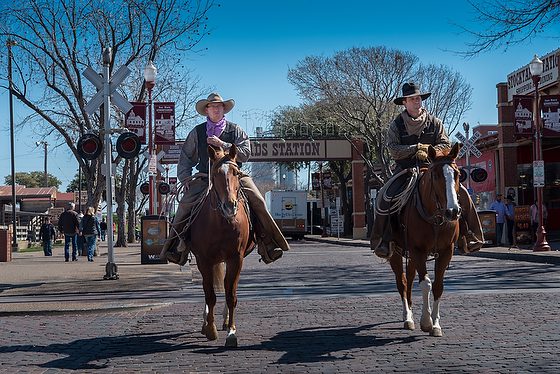
The photo above is an excellent example of an establishing shot. Well, maybe not great as in call the Pulitzer committee, but for covering the Fort Worth Stockyards, it does help establish the place where your story takes place.

Nikon D750, Sigma 24-105mm f/4 DG OS HSM Art Lens, ISO 100, ƒ/4, 1/320 

Stand Alone

When shooting for news, the photojournalist is mindful of the space of the publication. They are looking for the one shot that helps convey most of the story elements. Here is an example from the morning I was at the Fort Worth Stockyards that might work as a stand-alone shot. You can see the herd of cattle herded as the cowboy does daily.

Detail Shots

Nikon D3, AF NIKKOR 85mm f/1.4D, ISO 2500, ƒ/1.4, 1/320

You may go down the street to the world-famous Billy Bobs and capture some boot scoot dancing for detailed shots.

Nikon D3, AF NIKKOR 85mm f/1.4D, ISO 2500, ƒ/1.4, 1/320

You may capture some portraits of the patrons for some of your detailed shots for the story.

Nikon D3, AF NIKKOR 85mm f/1.4D, ISO 6400, ƒ/1.4, 1/160

The photojournalist’s challenge is capturing those eye candy moments that are part of the story and not just graphically interesting.

Thinking larger package

 
Nikon D3, AF-S NIKKOR 14-24mm f/2.8G ED, ISO 1000, ƒ/2.8, 1/125

My mentor Don Rutledge taught me there are times you don’t have an ending shot but rather just more examples of the flavor of the story. For example, here is the world-famous Joe T. Garcia restaurant where you cannot make a reservation. Bridal parties will just come and wait to be seated on their wedding days.

Nikon D3, AF NIKKOR 85mm f/1.4D, ISO 6400, ƒ/1.4, 1/160

Whenever I am at the Fort Worth Stockyards, I feel like I am in a travel story for some western magazine.

Nikon D3S, AF-S NIKKOR 28-300mm f/3.5-5.6G ED VR, ISO 200, ƒ/5.6, 1/320

What photojournalism taught me was that if you pay attention and are sensitive to the moment, you can anticipate great moments that are more powerful for the most part over a well-produced movie. I believe it is true because the moment’s authenticity always trumps something made up.

Show & Tell Marketing for the Photographer

Reading Time: 4 minutes
 

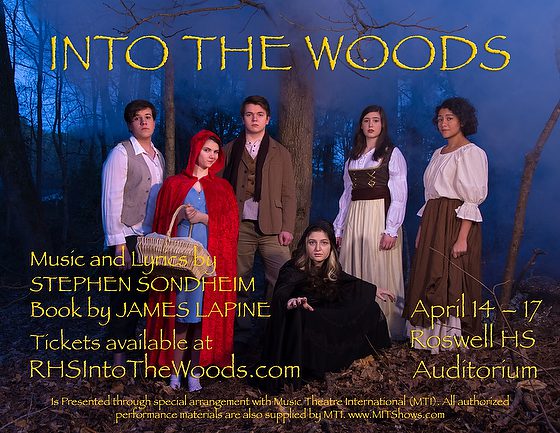
When the stars all align for you–take advantage of the moment. For me, my moment is now. My daughter is in the musical Into The Woods this April at her high school. She is the witch in the play. [Much of the type on our banner and posters are controlled by the licensing contract we signed to do the space]

The school buys the rights to produce the show. So they need to recover around $10,000 for the total costs of putting on the play. One of the ways they will recover the price is ticket sales. Another way is selling ads for the program. The last method is through donations.

Parents volunteer to help build the set, costumes, ticket sales, ushering, and many other roles to help keep our costs down.

The 6′ x 9′ Banner in front of the school was near the corner with a traffic light.

My wife and I volunteered to help with the PR since we both work in the industry. I was very excited about shooting some promotional photos of the primary characters for the musical. I had been researching other promotional shoots for Into The Woods and started thinking we could do some of what I saw with the Disney production.

I figured that much of our audience would be more familiar with the movie with Meryle Streep and Johnny Depp than the play productions. As a nod to the film is why I shot the poster shot in this style.

The school has had banners of the sports teams for a couple of years in front of the school. I think this is now a trend around the country. But unfortunately, the art kids don’t have the same backing and promotions due to more parents and the community not supporting them in the same way.

While a banner in front of the school helps just like a billboard promotes a product, the other thing the banner does is help celebrate our arts kids.

I also bought the domain name RHSIntoTheWoods.com to help us with promoting the play and directing everyone to the website where they can buy tickets. But, of course, you can also buy them–HINT HINT!!

 
Click on the photo to enlarge.

I decided I would pay for the banner and all the photo shoots. Paying for the banner was my way of helping as one of the parents. My wife came up with the concept of the Rate Card.

The Rate Card we designed was an 8.5″x11″ postcard. On the front was the poster, and on the back were the prices for the ads for the program. Each student/family is given 10 of these with a cover letter to call on businesses and individuals to take out ads. The company can then easily use the card as a poster in their store window or on the wall to promote the play.

Next, we started to use social media to promote the play. We are using all small events like putting up the banner as a good reason to post photos and always the #IntoTheWoods and pushing them to the website RHSIntoTheWoods.com.

We use Facebook, Instagram, and Twitter to help promote the musical. For example, we did individual shots of the cast members so we could post about each of them rather than using the same image over and over.

The banner again also is a way to celebrate the kids.

Besides this marketing campaign helping the school sell tickets, if this is more successful than in past years, I will have a great example to show all my clients and potential clients how I can help promote their brands using images to engage the audience.

Click on the image to see a larger version.

So here are the headshots I also did for the program and other PR uses.

 
Click on the image to see a larger version.

Now there is a considerable risk in doing all this work–if the sales are not better than in previous years, I will not have proved that my photography has helped with the promotion of a musical. So while there may be other circumstances that could impact it other than my photography, I will still not be able to show it was relevant.

Are you willing to take on a personal project and show that your photography can make a difference in your community?

It is time for ASMP and NPPA to combine

Reading Time: 3 minutes

I have been at the Southwestern Photojournalism Conference for the past few days. Over the years, many who have attended the conference have been members of either NPPA or ASMP. Many, like myself, have been members of both organizations.

Don Winslow, in the photo above, is the editor of the News Photographer Magazine for NPPA. I commented to him about combining the two organizations, and he said that would make a great blog post.

Nikon D750, Sigma 24-105mm f/4 DG OS HSM Art Lens, ISO 3600, ƒ/4, 1/250

I am tired of being a naysayer about industry changes. I can continue to whine about them, or I can propose this idea that many of my friends and I have discussed over the years.

I think their members should combine them because when I looked around the room, I saw people like Stacy Pearsall, Anacleto Rapping, Brad Smith, and Dave Black, and none of them were the staff. They are now all freelancers or, a better term, independent contractors.

The most significant difference between the two organizations is that NPPA employed primarily staff photographers, while ASMP employed freelancers.

In an earlier blog post, I wrote:

You’ve probably heard that by 2020, 40% of the U.S. workforce will be independent workers. Today, there are already 53 million Americans (34% of the workforce) that fall into this category. That number is growing based on a number of factors. Some from employers who see this as a better choice and many employees who want more control over their lives as well. 

Chauncy Lennon, who runs JPMorgan’s workforce initiatives said:
“The workforce of the past was organized around company. The workforce of the future is organized around the worker. If we can’t find the right people, it’s going to hurt our bottom line.”

Nikon D750, Sigma 24-105mm f/4 DG OS HSM Art Lens, ISO 100, ƒ/4, 1/640

Many NPPA members like Bill Bangham [pictured above] are joining ASMP for similar reasons to those I did in 1987. They see how important it is to help the freelancer.

NPPA has had to catch up with ASMP to help its members understand business practices.

Due to the decline in staff jobs and even the number of independent photographers, these two organizations have fewer members. At one time, the NPPA had a membership of 15,000+; today, they are closer to 5,000.

I believe that the members of both organizations have more in common than different and, therefore, would benefit from combining the two organizations.

I do not know how all this would happen, but I know they need each other more today than at any other time.

One of the biggest hurdles to overcome is the membership cost. So many NPPA members live in poverty or are so close that every little penny counts.

Nikon D750, Sigma 24-105mm f/4 DG OS HSM Art Lens, ISO 6400, ƒ/4, 1/100

Here is Anacleto Rapping teaching a class at the workshop. He has always been on staff at the LA Times and Brooks Institute, but he has had to run his own business for the past couple of years. We need his talent and knowledge to help grow our industry.

Many NPPA members make around $24,000 salary. They don’t have the funds to join without employers paying their dues.

I know the cost of ASMP membership is well worth it for the freelancer. It is more valuable early in your career since they can help you navigate business better than going alone.

Since the executive director of ASMP was on the board of NPPA, and NPPA needs an executive director, why not combine the two organizations and let Tom Kennedy and the boards help lead us to a healthier organization rather than two struggling organizations?

Create that triangle with your flash, camera and subject to improve your photos outside

Reading Time: 2 minutes
 
 
Nikon D4, AF-S NIKKOR 14-24mm f/2.8G ED, Pocketwizard TTL system with Nikon SB-900 ISO 100, ƒ/ 2.8, 1/3200
 

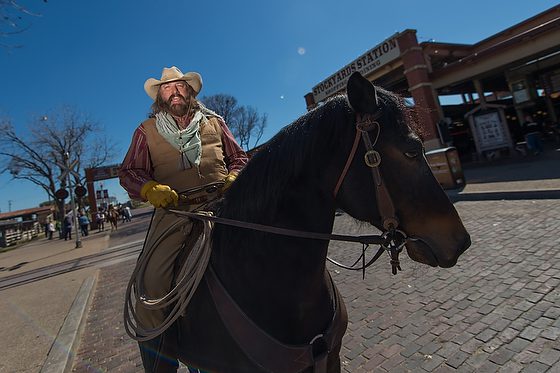
Photographing this year at the Fort Worth Stockyards, I encountered a noon-day sun combination with cowboy hats.

The hats are supposed to shade, which means you don’t see their faces unless you add some flash. So I said the off-camera flash to fill under those hats as done here to make the faces pop out.

Nikon D4, AF-S NIKKOR 14-24mm f/2.8G ED, Pocketwizard TTL system with Nikon SB-900, ISO 100, ƒ/ 2.8, 1/2000

Just compare what flash can do by looking at the cowboy on the other horse in the background. You cannot see his face like the buy in front.

Here is an earlier post going over the technique. Get the camera, flash, and the subject to form a triangle. Here the flash is held to the far left off the camera and zoomed to 200mm to create a shaft of light to just light the cowboy’s face.

Nikon D4, AF-S NIKKOR 14-24mm f/2.8G ED, Pocketwizard TTL system with Nikon SB-900, ISO 100, ƒ/ 4, 1/1600

Flash is a great way to improve the photo of the cowboys because now I see their faces.

Photographers what is it that you provide your customers?

Reading Time: 2 minutes
 
Link to Amazon

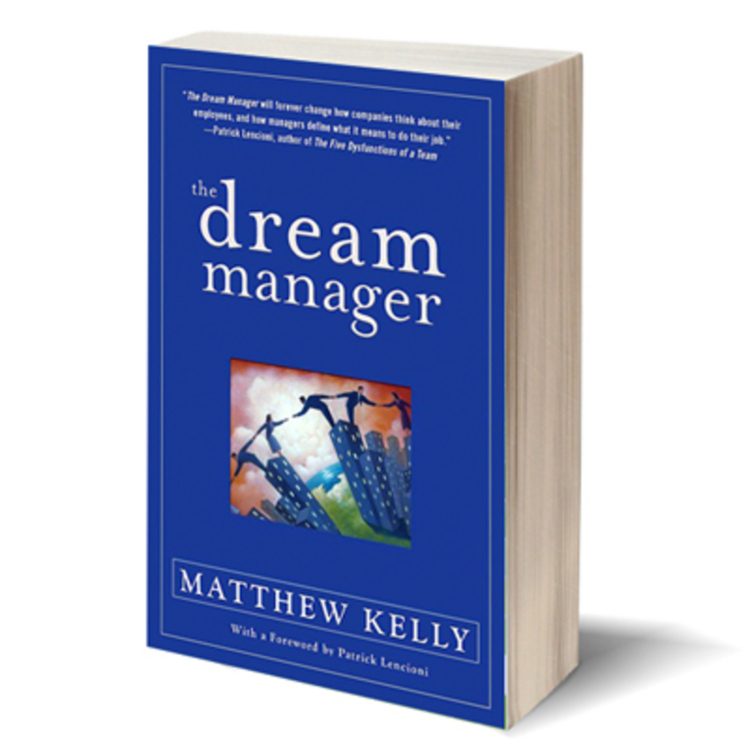
Today I met and listened to Matthew Kelly, the New York Times bestselling author of The Rhythm of Life and twenty other books published in more than twenty-five languages and sold more than 15 million copies.

Kelly says, “To win their hearts, you must take care of their legitimate physical, intellectual, emotional, and spiritual needs.”

Professional photographers need to know they are problem solvers if they want to stay in business. People don’t need photos; they need photos that solve their problems.

When you learn to tap into others’ dreams and aspirations and help them attain them, you connect with the real issues in their hearts.

Read his book to help you understand why people dream. Kelly says, “If you help your people accomplish their dreams, they will massively invest in your company.”

Earlier in the day, another Keynote speaker I listened to helped me to understand Habitudes.

Dr. Tim Elmore is the founder and president of Growing Leaders (www.GrowingLeaders.com), an Atlanta-based nonprofit organization created to develop emerging leaders.

You may want to pick up his book Habitudes Book #1: The Art of Self-Leadership.

He shared one thing that I think many photographers need to hear. He shared how one company that made bits had a sales meeting with a new CEO. After everyone spoke on the sales that quarter about how they were the #1-bit manufacturer, the CEO got up and said we are not in the bit industry–We are in the hole industry.

When you lose focus on what you are there to do, then the industry can leave you.

Photographers, you have been too long in the picture business. Our pictures help people in industries solve their problems by helping those bit makers to visualize the holes they are creating.

Tip today is to analyze what you are doing for customers. For example, are you making bits or making holes?

Four tips to grow your photography brand

Reading Time: 3 minutes
 
Nikon D4, Sigma 35mm ƒ/1.4 DG Art, ISO 5600, ƒ/1.4, 1/500

I am in Orlando, Florida, covering a great meeting. I learned about four key elements today to grow your business.

  1. Avoid Complacency
  2. Know the Customer
  3. Focus to Win
  4. Work Together
I already knew this, but the speaker packaged them in a neat package for the audience.
 
Nikon D750, Sigma 24-105mm f/4 DG OS HSM Art Lens, ISO 8000, ƒ/4, 1/500
Here is my interpretation of these points for photographers.
 

Avoid Complacency

 
If you as so dependable that your coverages all look alike, you have become complacent. So it would help if you mixed it up. 
 
If you struggle to do this, buy a different lens and force yourself to work differently.
 
Nikon D4, Sigma 35mm ƒ/1.4 DG Art, ISO 6400, ƒ/1.4, 1/500
I did this recently by buying a 35mm ƒ/1.4. But, let me tell you, I tossed out a lot of shots tonight from shooting because the depth of field was so shallow the photos looked like I missed the focus.
 
Now I owned this lens when I first started shooting for a newspaper in 1984. However, I hadn’t held the fast prime in maybe 25 years. 
 
I used this lens to push me to do something different tonight.

Know The Customer

 
I work hard to understand the problem I am solving for the customer. It isn’t about me just taking pretty pictures. They need photos of specific things.
 
Way too many photographers think they know better than the customer. But unfortunately, most of these photographers don’t know as much as they believe.
 
Always know precisely the requirements you need to fulfill for the customer, so their problem is solved. Now, for fun, if you choose to go and shoot more stuff, that’s not only OK but also great.
 
Matthew 5:41 talk about people having to carry a Roman soldier’s gear for one mile if they were a Jew in the time of Christ. Jesus told people to carry that load 2 miles. 
 
Many companies today talk about 2nd-mile service, which references the Bible story. But, unfortunately, the mistake many make is they think they are doing the 2nd mile and don’t do the first mile, to begin with, for the client.
 

Focus to Win

 
To get a customer and to KEEP them, you need to understand the customer’s beliefs and behaviors. Then, you want to influence these.
 
A wedding photographer understands they are not just taking and documenting photos of the wedding. Instead, they know they are writing the book’s first chapter of the bride and groom’s life together.
 
When I started social media, the photographers who understood how to influence customers’ beliefs and behaviors would Tweet photos from the day. They also helped them create those no look but touch photos of the bride and groom before the wedding. Using social media is a new phenomenon that didn’t exist before photographers started offering this, and all couples wanted it.
 
The photographer who first started this and other ideas quickly became in high demand. They influenced the beliefs and behaviors of engaged couples, their choices for photographers, and what was concerned gowith od wedding photography.
 

Work Together

 
Social media still applies even if you don’t have a staff and it is just you. If you are married, your spouse can make a huge difference in their lives. As you work with your client, you help them to see this is a collaboration. 
 
I learned today about how Uber delivers puppies for you to play with. Just read this story. Not only does a puppy cheer someone up like flowers, but it also helps the local humane society with a donation. Uber is working to make communities better in many ways.
 
In what ways can you do something that, when someone does business with you, benefits your community?
 
Check out Warby Parker Eyeglasses for another example of a company that when customers work with them, the entire community benefits. Buy a pair, give a pair.
 
While these four ideas are not new, they can revolutionize your business. However, each of these requires a commitment at a pretty high level to execute them wisely.
 
Are you up to the challenge?

How a photo agency can help you

Reading Time: 3 minutes

My good friend Ken Touchton and I are covering a Georgia Tech football game. Ken has been one of my best business mentors.

Both Ken and I worked with the photo agency Black Star.

Black Star, also known as Black Star Publishing Company, was started by refugees from Germany who had established photographic agencies there in the 1920s. Today it is a New York City-based photographic agency with offices in London and White Plains, New York. It was the first privately owned picture agency in the United States and introduced numerous new techniques in photography and illustrated journalism. Life magazine’s editor Henry Luce relied on them for coverage.

Black Star was formed in December 1935. The three founders were Kurt Safranski, Ernest Mayer, and Kurt Kornfeld. In 1964, the company was sold to Howard Chapnick.

He taught annual workshops at the University of Missouri School of Journalism. In 1994 he published a book called Truth Needs No Ally: Inside Photojournalism, summarizing his many years of experience in dealing with photojournalists and sharing it with those who want to be one.

Howard Chapnick was a principal founder of the W. Eugene Smith competition and Memorial Fund, which awards grants for projects in humanistic photography. After he died in 1996, this Fund established in his memory a gift to encourage and support leadership in fields ancillary to photojournalism.

 I was talking with Ken the other day, and he let me know how he first started to work with Howard Chapnick.

Now the way it worked in those 1970s – 1990s, the agencies signed on photographers, and if you signed on first in New York City, then if the job called for your skills, you were the first they contacted.

Well, when Ken was talking to Howard about working for them, Howard pointed out where he lived or mentioned moving to they already had photographers.

Ken said to Howard, “Well, Howard, I need you to handle my administrative side for me. I will find the clients, bring them to you, and ask you to help negotiate rates and collect my payment.”

HUGE TIP!!!!!

If you are starting and don’t know the business side of this industry, then what Ken Touchton did in the 1970s was a brilliant move. While taking this approach, Ken gave up a sizable chunk of money for the clients he found. Agencies often take 20% – 50% of the billings, which can be substantial.

Ken knew and admitted up front to himself that Black Star, specifically Howard Chapnick, could do a better job of knowing a reasonable rate for the work he was doing and negotiate a better deal than Ken could do by himself.

Put yourself into Howard Chapnick’s shoes. Which photographer do you want to represent? Do you want to describe someone you have to go and find a business for or the photographer bringing you a business?

It didn’t take long before Ken wasn’t just bringing business to Black Star but now getting business from them.

Now there are so many things I learned from Ken about business and my time working with Howard Chapnick, but I want to be sure and point out what Ken and I discovered through the years.

We learned to listen to those photographers whose business success was extraordinary. Sometimes their photography was mediocre, but we did notice they understood how to put food on the table. One of those was Howard Chapnick. He didn’t take photos for a living but helped administer some of the most outstanding photographers ever careers.

Black Star photographers include Robert Capa, Andreas Feininger, Germaine Krull, Philippe Halsman, W. Eugene Smith, Bill Brandt, Henri Cartier-Bresson, Charles Moore, Lee Lockwood, and my mentors Don Rutledge and Ken Touchton.

Summary: If you are not good with the industry’s business side, partner with someone who is, and you will do much better than going it alone.

Are you all Sizzle or Steak?

Reading Time: 5 minutes

Nikon D4, Sigma 120-300mm ƒ/2.8 DG OS HSM | S, Sigma TC-2001 2x, ISO 12800, ƒ/5.6, 1/1600

“All About That Bass”

Because you know I’m all about that bass

‘Bout that bass, no treble

I’m all about that bass

‘Bout that bass, no treble

I’m all about that bass

‘Bout that bass, no treble

I’m all about that bass

‘Bout that bass… bass… bass… bass

Megan Trainor’s pop single “All About That Bass” made it to the top of the charts. Many women have felt they are not good enough for years because the only body type celebrated in our culture was that of a Barbie Doll.

Stanley’s top five strengths after taking the Clifton StrengthFinder Test.

As you may know, the Clifton StrengthsFinder measures the presence of talent in 34 categories called “themes.” Gallup determined these themes as those that most consistently predict outstanding performance. The greater the presence of a talent theme within a person, the more likely that person is to exhibit those talents in day-to-day behaviors spontaneously. Focusing on naturally powerful skills helps people use them as the foundation of strengths and enjoy personal, academic, and career success through consistent, near-perfect performance.

Today we still celebrate certain traits in people. However, if everyone in the band only played the trumpet, the type of music you would hear would be very limiting.

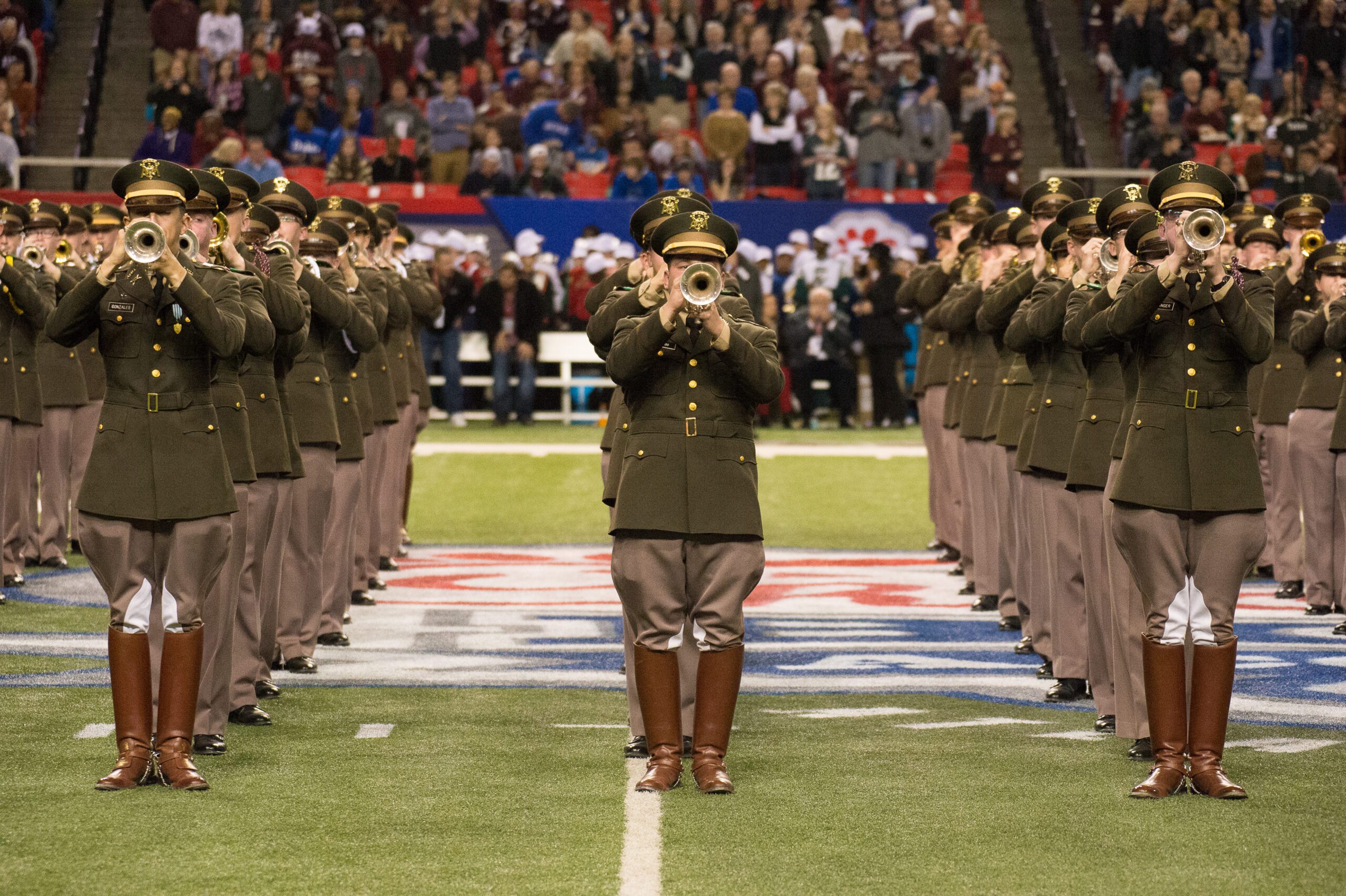
Fuji X-E2, FUJINON XF 55-200mm, ISO 3200, ƒ/4.2, 1/500

Here the Fightin’ Texas Aggie Band takes the field during half-time at the Chick-fil-A Bowl. The diversity of the instruments brings the whole musical experience to the audience.

Sizzle & Steak

Today in the communications field, we have two major parts to communication. I tend to discuss these as the Sizzle [Presentation] and Steak [Content]. 

In many songs, we might think of this as the music and the words, but that might stretch the metaphor a little. However, this might be a great way to see my point about the two parts.

Many people often love a song because of how the music makes them feel. Often people mishear the lyrics.

Top 20 most common misheard lyrics:

1. REM – The Sidewinder Sleeps Tonite

Real lyric: ”Call me when you try to wake her

Misheard lyric: ”Calling Jamaica”

2. Jimi Hendrix – Purple Haze

Real Lyric: ”Excuse me while I kiss the sky”

Misheard Lyric: ”Excuse me while I kiss this guy”

3. Aerosmith – Dude Looks Like A Lady 

Real Lyric: ”Dude looks like a lady”

Misheard Lyric: ”Do just like a lady”

4. The Foundations – Buttercup

Real Lyric: ”Build me up buttercup”

Misheard Lyric: ”Fill me up buttercup”

5. Adele – Chasing Pavements

Real lyric: ”Should I give up, or should I just keep chasing pavements”

Misheard lyric: ”Should I give up, or should I just keep chasing penguins”

6. Bon Jovi – Living On A Prayer

Real Lyric: ”It doesn’t make a difference if we make it or not”

Misheard Lyric: ”It doesn’t make a difference if we’re naked or not”

7. ABBA – Dancing Queen

Real Lyric ”Dancing queen, Feel the beat from the tambourine, oh yeah”

Misheard Lyrics: ”Dancing queen, Feel the beat from the tangerine, oh yeah”

8. John Travolta & Olivia Newton-John – One That I Want

Real Lyric: ”You’re the one that I want”

Misheard Lyric: ”You’re the wobbly one”

9. Nirvana- Smells Like Teen Spirit

Real Lyric: ”Here we are now, entertain us”

Misheard Lyric: ”Here we are now, in containers”

10. Queen – Bohemian Rhapsody

Real lyric:  ”Spare him his life from this monstrosity”

Misheard lyric: ”Spare him his life for this one cup of tea”

11. Johnny Nash- I Can See Clearly Now

Real Lyric: ”I can see clearly now the rain has gone”

Misheard Lyric: ”I can see clearly now Lorraine has gone”

12. Madonna- Papa Don’t Preach

Real Lyric: ”Papa don’t preach”

Misheard Lyric: ”Poppadom Peach”

13. Queen – Bohemian Rhapsody

Real Lyric – ”Scaramouche, Scaramouche, will you do the Fandango”

Misheard lyric: ”Scallaboosh, Scallaboosh, will you to the banned tango”

14. Bee Gees- Stayin’ Alive

Real Lyric: ”Stayin’ alive, stayin’ alive”

Misheard Lyric: ”Steak and a knife, steak and a knife”

15. Prodigy – Out of space

Real lyric: ”I’ll take your brain to another dimension. Pay close attention”

Misheard lyric:  ”I’ll take your brain to another dimension.  Hey close the kitchen”

16. ABBA – Dancing Queen

Real lyric: ”See that girl, watch that scene, dig in the dancing queen”

Misheard lyric: ”See that girl, watch her scream, kicking the dancing queen”

17. ABBA – Mamma Mia

Real lyric: ”How can I resist you”

Misheard lyric: ”Have I got a sister”

18. Take That – Babe

Real lyric: ”Babe”

Misheard lyric: ”Dave”

19. Blue Oyster Cult- Don’t Fear The Reaper

Real Lyric: ”Seasons don’t fear the reaper”

Misheard Lyric: ”Jesus don’t fear the reaper”

20. Annie Lennox- There Must Be An Angel

Real Lyric: ”Must be talking to an angel”

Misheard Lyric: ”Must be talking to a ninja”

Many people fall in love with the song’s music and mood, and the words are not all important to them. This is where the Sizzle is dominant in the song.

Now, with the song “Cats In The Cradle,” I believe the words connect with the audience as much as the music. Here the Steak is king. The emphasis in Japanese business culture is on the gift-giving ritual rather than the gift itself. For this reason, you may receive a gift that seems too modest or extravagant. Here the Sizzle is more critical than the Steak.

What am I talking about

Too often, we fall into the trap of thinking it is all about one or the other. We either overly emphasize the Sizzle or the Steak. Photographers may forget to include captions to help the message be understood, or Designers may get carried away about the design and ignore the notice that is supposed to be king. Excellent communication is not one or the other. Executing the Sizzle and Steak together is the goal. Together is when the total package is stronger than the individual parts. Many people who come over from the entertainment industry into corporate communications make the mistake of thinking that just because they like their song, they got the message. When the task is to communicate a message, you cannot have the lyrics misheard and be successful.

REM – The Sidewinder Sleeps Tonite

Real lyric: ”Call me when you try to wake her”

Misheard lyric: ”Calling Jamaica”

At the same time, you cannot afford to create content that doesn’t pull people in because the Sizzle is not there.

Combining Sizzle & Steak

Start with always asking WHY?

  • Why am I writing this press release?
  • Why am I creating this video?
  • Why am I taking this photo?
  • Why am I creating this poster?

Once you understand what you are doing, you also need to ask the second question.

Who is my AUDIENCE?

Is your audience toddlers that will more likely connect to Teletubbies than Metallica? How you package that content is your Sizzle.

Test your MESSAGE

Too many communicators make the mistake of asking did you like it only? Show your product to some people in your audience demographic. Then ask them to tell you what they got from it.

If they articulate the message, you were trying to get across–SUCCESS!!. If they cannot tell you the news, but they loved it, you have a case of Sizzle and no Steak.

If they got the message but weren’t giving you high marks for delivery, you may have all Steak and no Sizzle.

If you were creating advertising, your success would be measured as if sales go up, down, or stay the same.