|
Getting your Trinity Audio player ready...
|
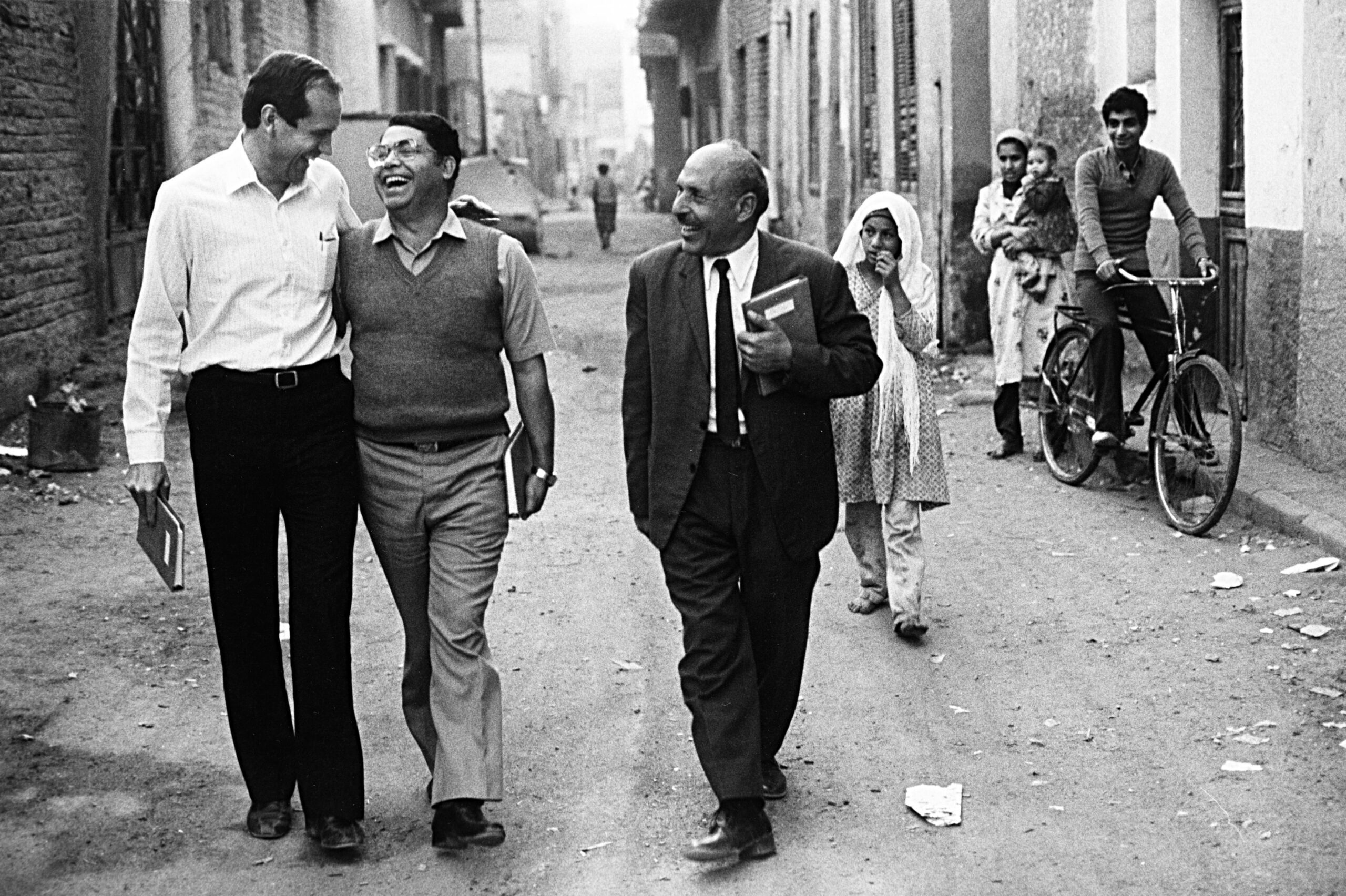
Egypt—Missionary Mike Edens (left) worked closely with Egyptian Baptist pastors to enhance their discipleship and pastoral ministries. These pastors—(left to right) Mikhail Shehata Ghaly and Anwar Dakdouk—took MasterLife discipleship training in Cyprus in 1984
Technically, Depth-of-Field—is the distance between the nearest and farthest objects in a scene that appear acceptably sharp in an image.
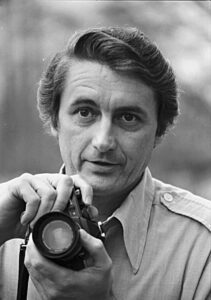
I have never met a photographer who understood more about packing more into a frame to tell a story than Don Rutledge.
It takes a lot more skill to take a photo of what appears to be clutter and compose it so that you capture a story than it does to isolate a subject by either getting closer or zooming in.
What Don Rutledge taught me, and yet I still haven’t begun to execute it as well as he did, was to use the environment around the subject to provide context and tell a better story.
He taught me to spend time with a person before I take a photo of them. Spend time getting to know their story; this way, once you know them, you start to see things around them and their body language that help inform the audience through visual clues as to who the subject is as a person and how they interact with people in their world.
Don taught many photographers not to watch the edges of the photograph but to pay attention to the “Depth-of-field” when making the photograph. He wanted to use the thing in the foreground and background more than any other photographer I knew to help tell the story.
In Photo 1, you can see down the street and around the men as they walk in Egypt. While most everyone is laughing as if a joke was just told, notice the woman behind the men. Her expression tells another story.
I can picture this woman being similar to the woman in Matthew 9:20, “If I can just put a finger on his robe, I’ll get well.” Jesus turned—caught her at it.
She is not part of the men’s group, but she is interested in them.
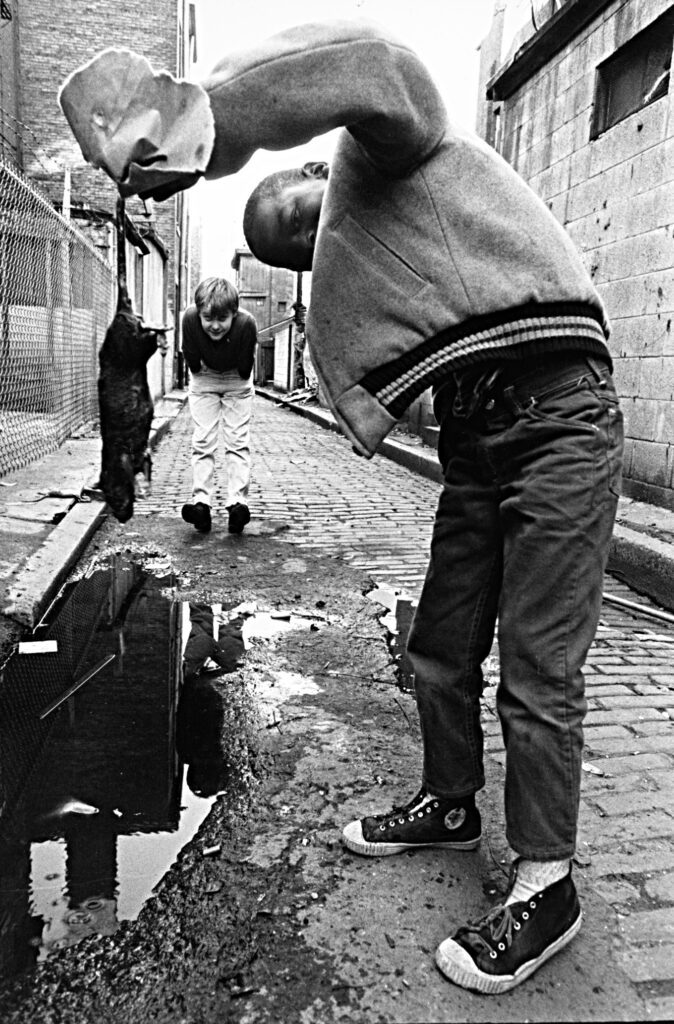
In Photo 2, you see not just the rat being held by the boy, but also his friend and the location of their discovery. His friend’s body language and the alley where they found his body add significantly to the context.
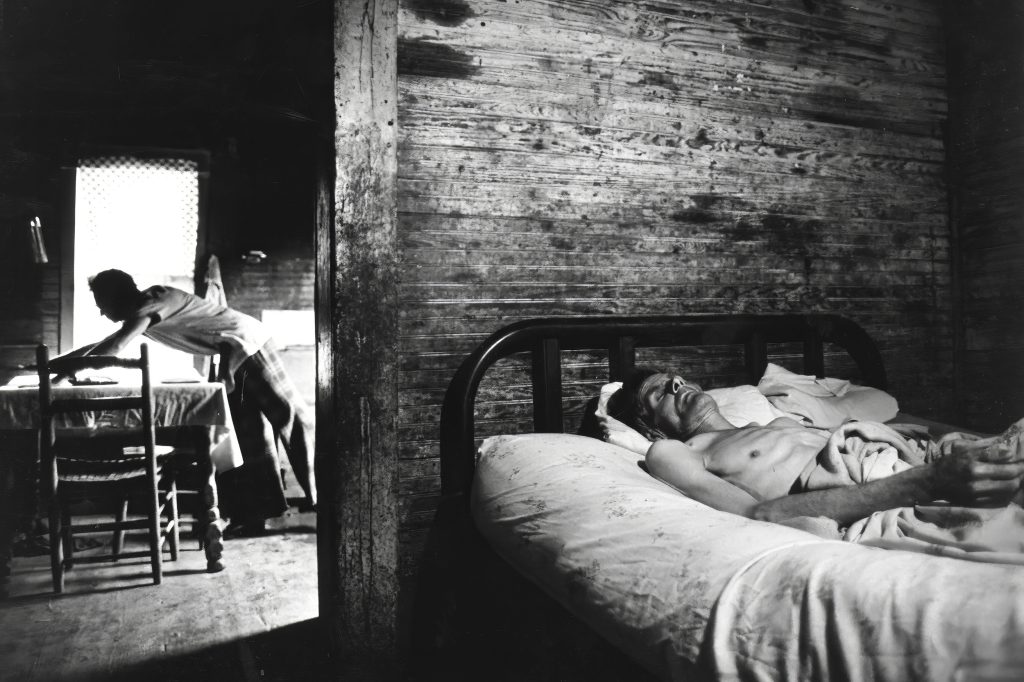
To get this type of “Depth-of-field,” Don invested time in his subjects. In 1979, Don spent a month living with the King family in Mississippi. He added just enough money to the family budget to not add any financial stress and not change their living standards so he could cover what it was like living below the poverty line in America.
This photo [Photo 3] became a favorite photo of many from the story. The image captures Bailey King and shows how thin he is and how hard his wife worked to provide for the family. It is not a photo of Bailey but of his wife, Luvenia.
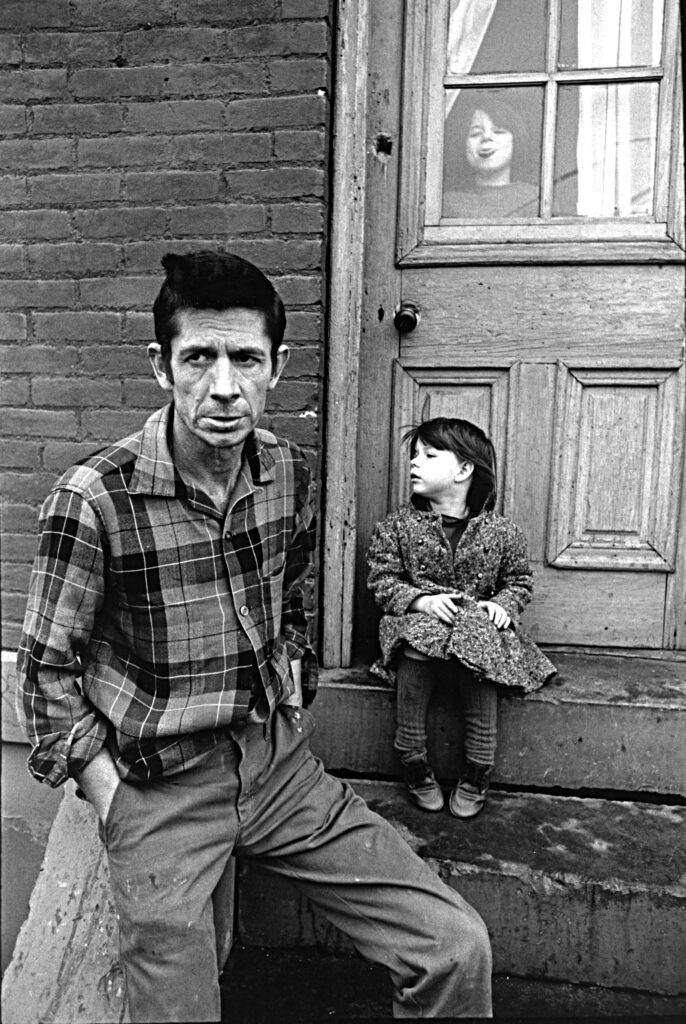
In Photo 4, you can see a father who appears concerned, and his children are visible in the background. The children are like all children, pulling the viewer into the story of a migrant worker who will travel wherever, finding work to provide for their family. Many photographers cropped just above the father’s head and left the boy in the window. The reason is that they most likely would not have seen the boy.
Don had a patience about him that let him be in the moment. He could see things that most missed. Don really and truly had more empathy for his subjects than just about any other photographer I have known.
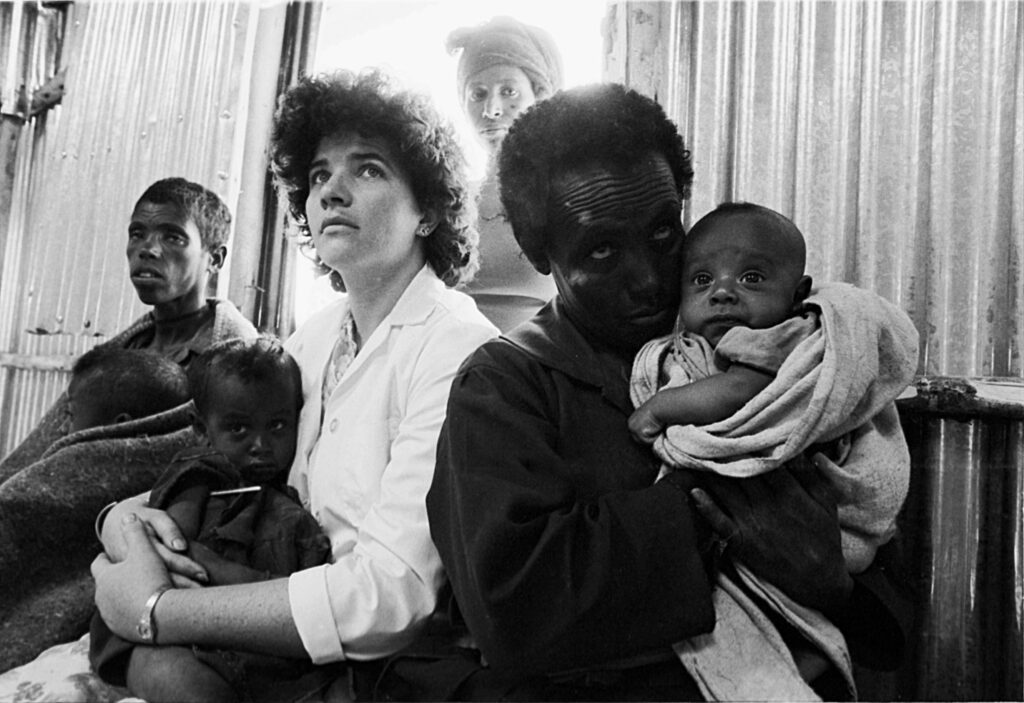
Many photographers might crop in much tighter on Sally Jones. In Photo 5, Don goes wide and gets close to ensure you see her expression. I remember often seeing the contact sheets of moments like this when Don was editing. He would show me the moment before and after, where sometimes the lady in the background was only there for one of maybe ten frames. She adds so much by helping pull you to the background after seeing Sally. There are more mothers outside, which helps convey the message.
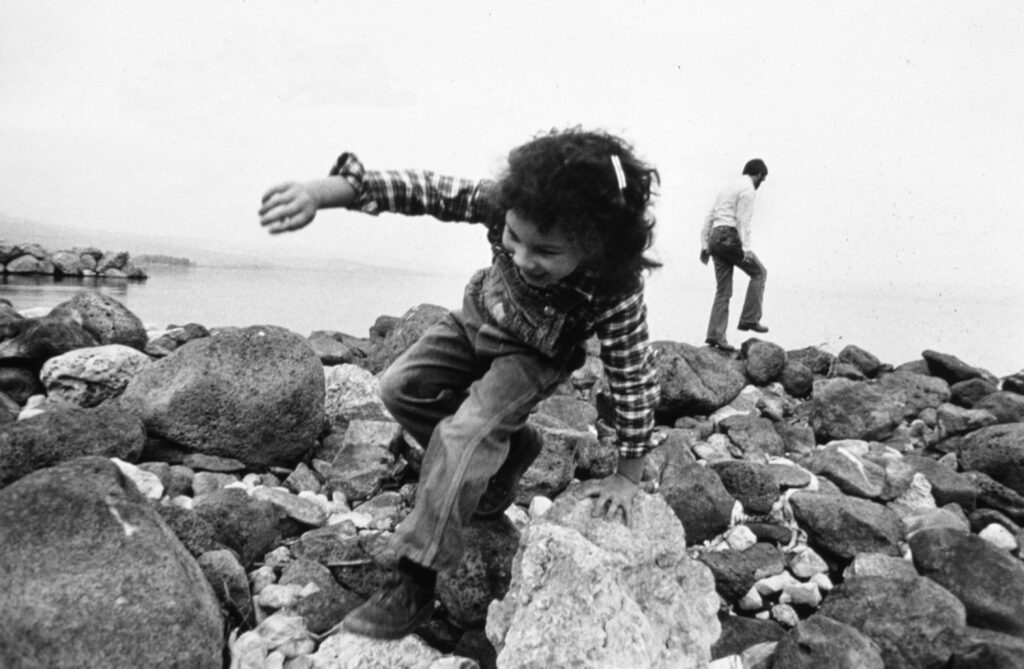
So often, photographers become so focused on the main subject that they forget that those around the subject can sometimes offer valuable insights into them. Here we get a glimpse of how everyday life is for Ray Hicks in Photo 6 when we see how much fun his daughter is having at the sea of Galilee Don shot it in a way to bring Ray into the photo and give a context that Don did so well time and time again.
Please look at how often Don uses depth in his photos to tell stories. Here are two coverages of Russia that Don did in the 1980s. Don shot these for a magazine that would typically use only 8 to 12 photos, but look at the depth of his coverage. I recall seeing this coverage on numerous light tables and Dan Beatty commenting on how he could tell many stories whenever Don returned.