|
Getting your Trinity Audio player ready...
|
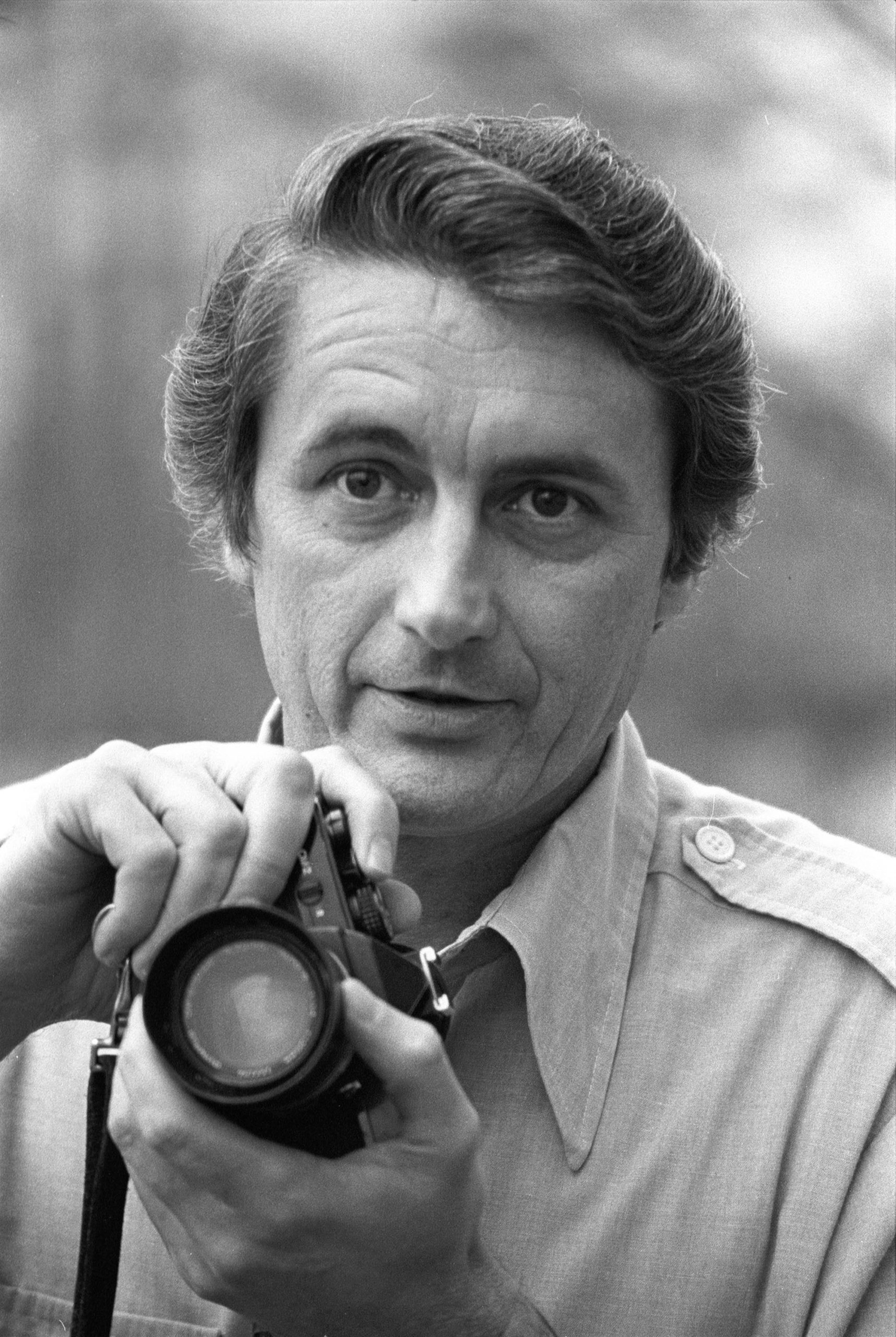
Don Rutledge has visited Russia a few times, and this is his second trip. The reason I am using his work as an example is that, in my opinion, his work is stellar and has had a significant impact on my work, as well as that of many of my colleagues.

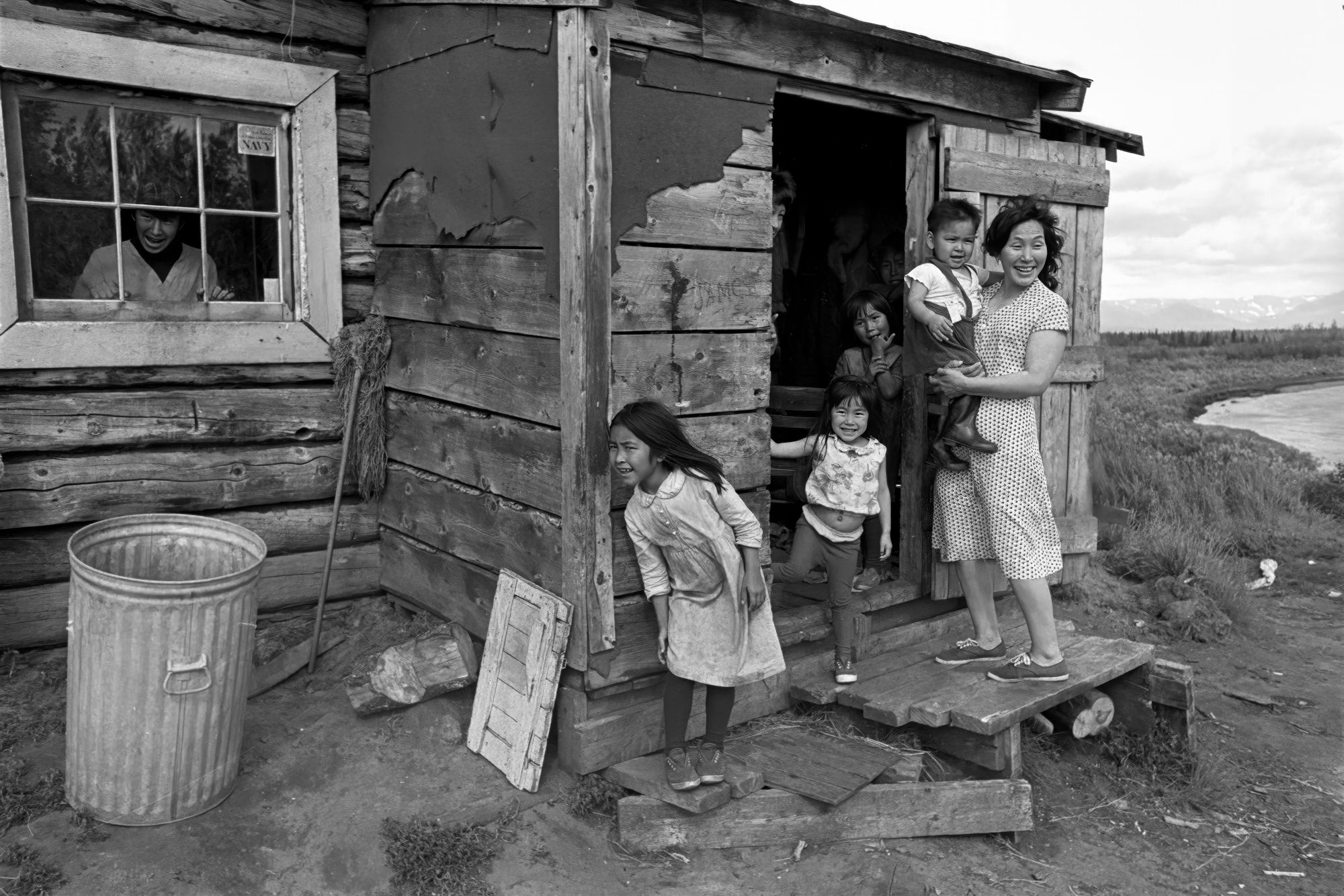
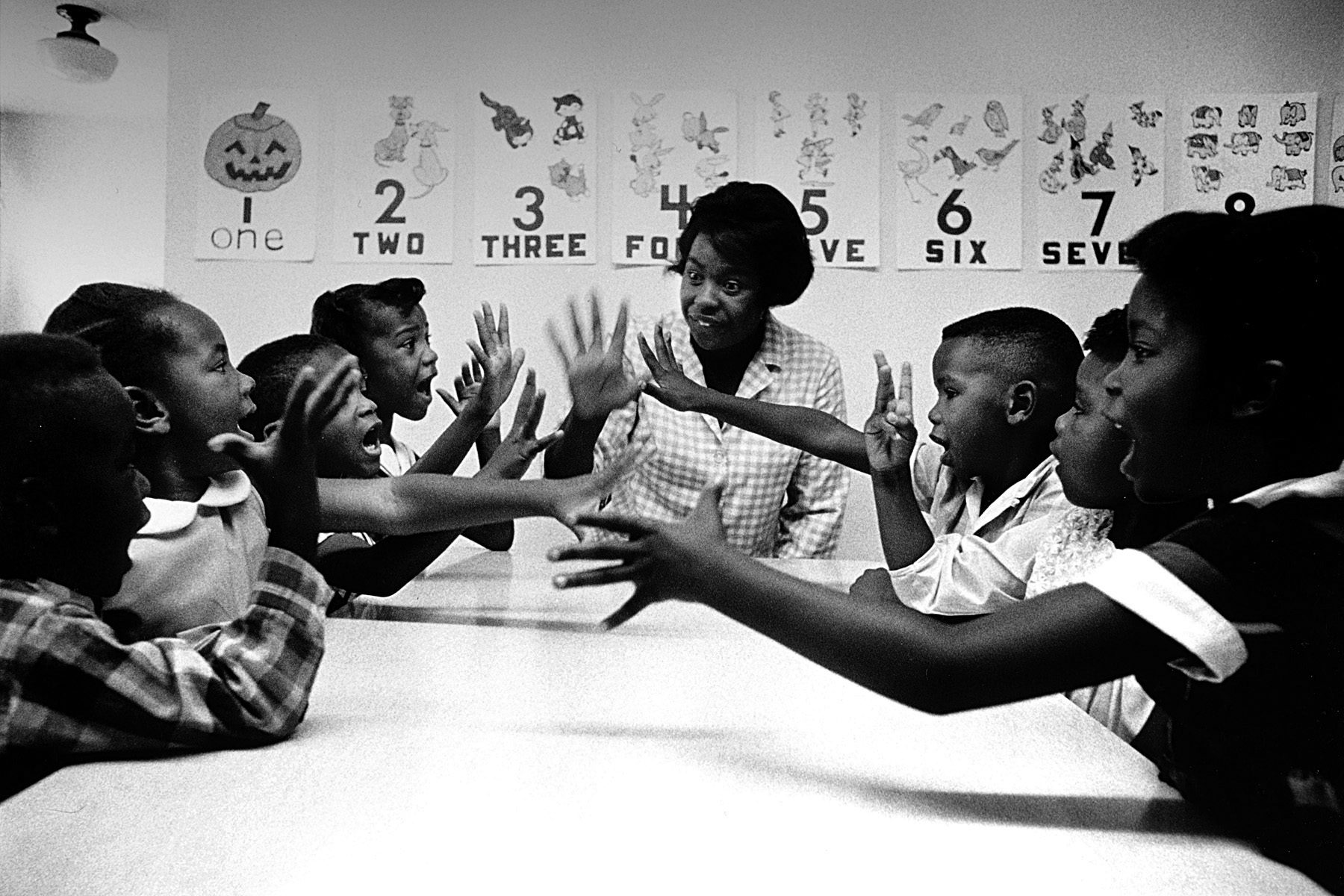
What is essential is how Don utilized the entire frame for his work. He also used it so well that artists were complaining that they couldn’t crop his photos. This usually led to some good discussions. When a designer crops a well-composed picture, they change its meaning.
A great designer working with a writer and photojournalist on a journalistic coverage project will lay out the story after reviewing the images and selecting those that help tell the story. Laying out the spread and then finding images to fill the gaps is using photography as decoration, rather than as a means of communication.
Visiting the vertical photo above again, note how the men are looking in one direction and the woman is looking in the other. Do you notice the tension that the composition helps to create?

The photo of the crowd walking towards you, take a moment and look at the far left and right of the frame. Don has meticulously positioned the man to the left and the woman on the far right in the photo. Many photographers would often slice into the folks or have it too loose. The bottom of the frame is positioned just below their feet, providing extra space at the top of the frame. The top of the frame is where you have a sense of depth.
While the angle of the building’s roof line creates depth, it is the open sky that opens the photo even more from front to back. Just cover the photo at the top and block off the open sky part, and you will see how much that makes a difference in the depth of the photograph.

In art class, they teach about asymmetric balance. In the photo, pianist Don employs this technique to create a sense of calm and tranquility. The beams in the ceiling extend towards the windows, which helps create a sense of depth. Some of the ladies in the choir are watching the pianist play, which helps reconnect the choir with the pianist.
While Don would have found this composition, he would have stayed here for a while until he had enough different frames. He is looking for the pianist to be playing and the choir to have a moment where they are paying attention to her. Remove all those blinks or instances of someone picking their nose (which happens frequently, especially during prayers), and you will then be selecting a moment that best captures the worship tone Don was aiming for in this photograph.

I love the little girl singing here in church. How do you know it is a church? Look at the pulpit to the right. Don left this in to help establish this as not a school play. Notice the woman to the far left. Look especially at the lady in the front row. She really helps the photo because her expression really helps. You can see the lady to the right of her, closest to the girl singer, and her expression also helps set the tone. The small portion of the objects at the top of the frame gives a sense of a much larger room.
As you watch the slide show, look at the edges and see if you would change anything. Look to see if Don used things to help create depth and not make the photo look too flat.
While there is a primary subject, look and see how the other subjects in the photo complement the main subject. Do they create tension or help establish a mood?
See if you can spot one guy lying in the background. This was the translator who was thinking he was getting out of the way, but Don included him to add a little perspective.
Here is a slideshow of his coverage.
If any of these photos moved you, please comment on them below. Tell me why it moved you.