|
Getting your Trinity Audio player ready...
|
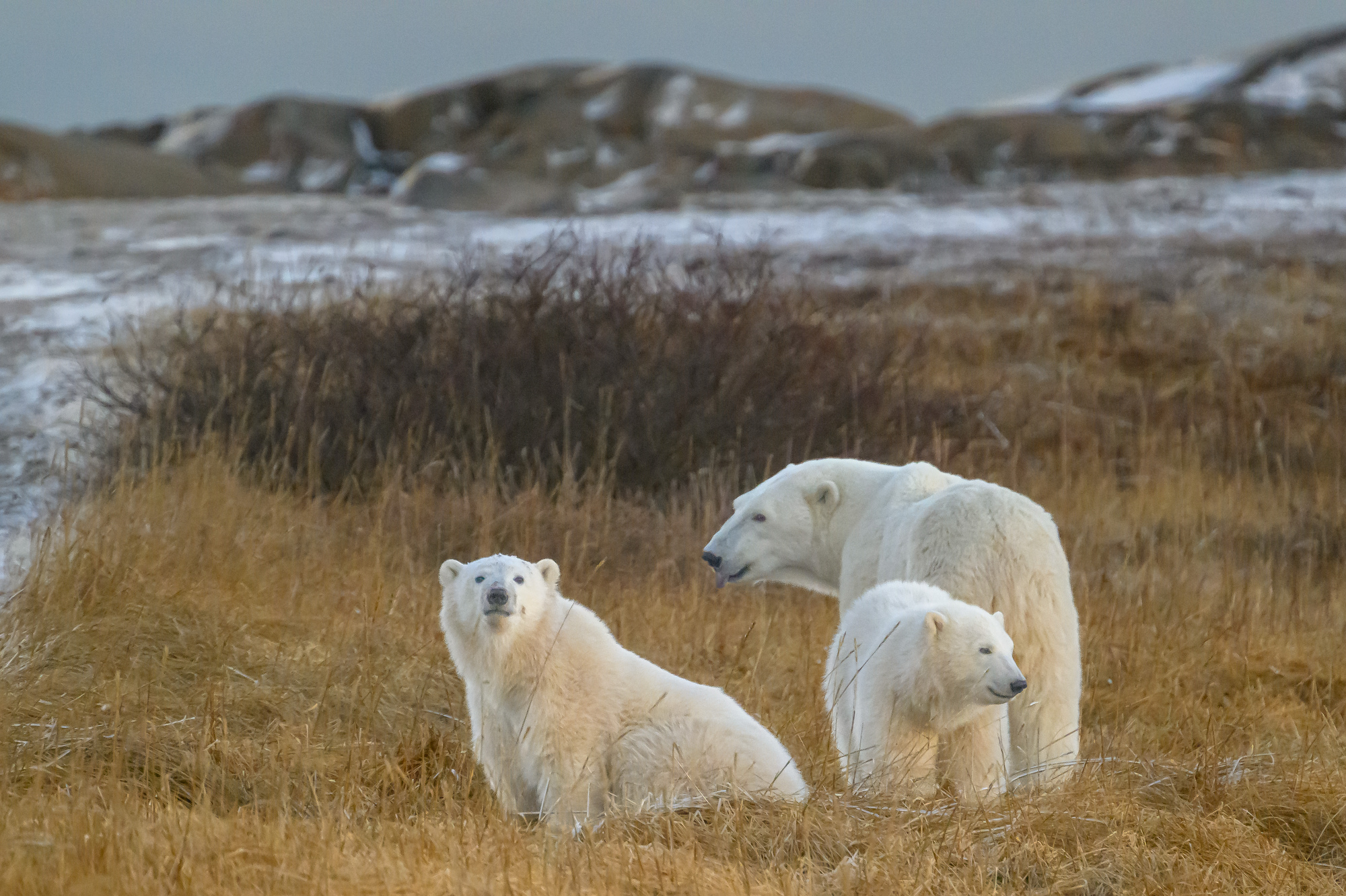
A mother polar bear keeps her cubs close along Hudson Bay. Photographing them was a privilege, but understanding their needs mattered more than getting closer for a better picture.
What a week with polar bears, conservationists, and photographers in Churchill taught me about wildlife, storytelling, and relationships.
I went to Churchill, Manitoba, to photograph polar bears. I came home with thousands of photographs, wonderful memories, new friendships, and a question that has followed me ever since.
How do I know when I am really doing the right thing, rather than simply convincing myself that I am?
That question became much bigger than photography during my week in Churchill.
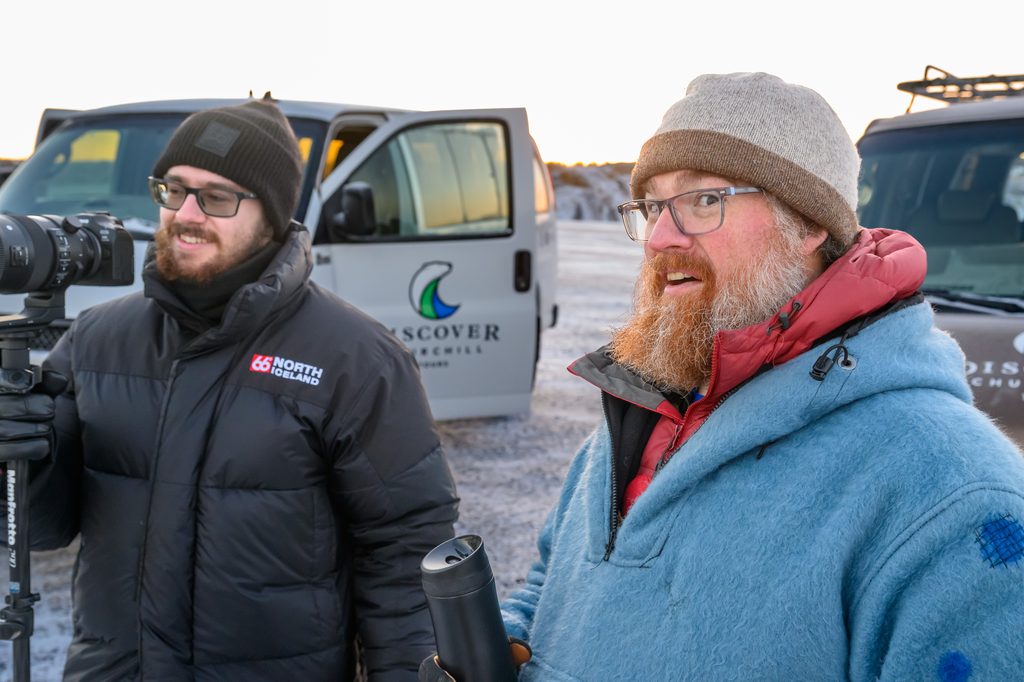
I had the privilege of spending time with people who have devoted significant parts of their lives to understanding wildlife and helping others appreciate it. Drew Hamilton, Alex de Vries, Nikon Ambassador Kristi Odom, and her husband, Forest Gustaveson, helped me think more deeply about what it means to photograph animals responsibly.
I have known Kristi since she was a student at Georgia Tech in 1998. Watching her grow into an internationally respected photographer and conservation storyteller has been a joy. Spending this week with her and Forest was especially meaningful.
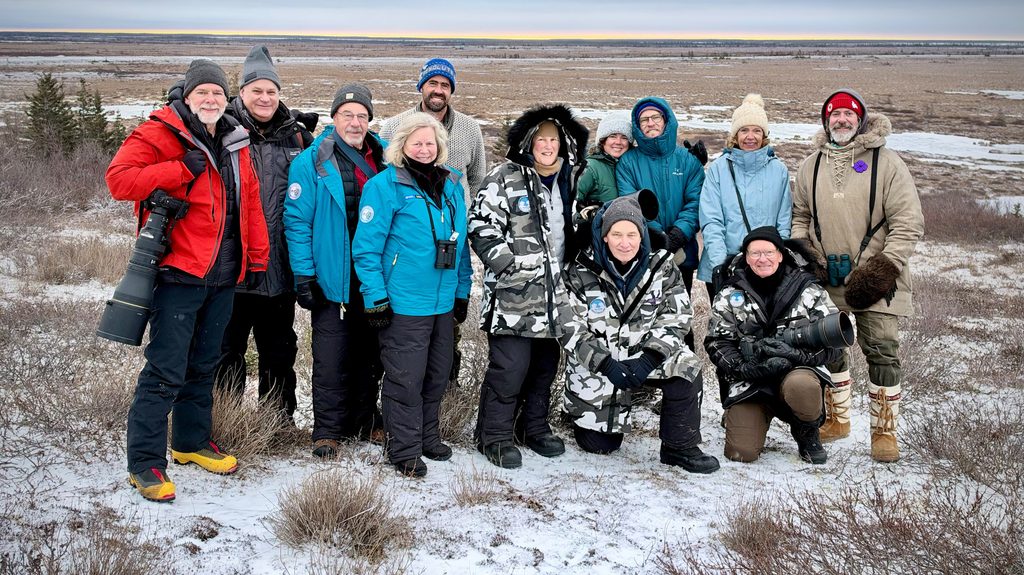
I also had the opportunity to learn from the people associated with Polar Bears International and from our guides at Discover Churchill Tours.
I arrived wanting to make compelling photographs. But the more I learned, the more I realized that making a compelling photograph and doing something beneficial for the animal are not necessarily the same thing.
That distinction has stayed with me.
The Question Behind the Photograph
Imagine a polar bear walking along the shoreline of Hudson Bay.
The light is beautiful. The landscape is dramatic. The bear is moving toward a place where the composition could become extraordinary.
As a photographer, I immediately begin thinking about position, light, background, and timing.
But there is another question I need to ask before any of those.
What is best for the bear?
Not what is best for my portfolio.
Not what will get the most likes on Facebook.
Not what might win an award or attract a new client.
What is best for the bear?
Sometimes those interests align. A photograph can help people connect emotionally with wildlife and become more concerned about protecting it.
But sometimes they don’t.
Getting closer might improve the photograph while disturbing the animal. Moving into its path might create a dramatic encounter while forcing it to change direction. A photographer might justify that disturbance by saying the resulting image will raise awareness about conservation.
And perhaps it will.
But does the possibility of doing good later justify causing harm now?
That is a much harder question.
The Bear Doesn’t Know About My Good Intentions
One of the most important things I learned in Churchill was how much I didn’t know.
I learned about the bears’ dependence on sea ice, their behavior while waiting for Hudson Bay to freeze, the significance of body condition, and the challenges facing mothers and cubs.
I learned to watch their movements differently.
Even the way a polar bear walks became a lesson. Drew explained how leg positioning during a stride can make a photograph feel more natural and visually satisfying.
But another lesson lay beneath all that technical knowledge.
The more I understood the animal, the more responsibility I had to consider its needs.
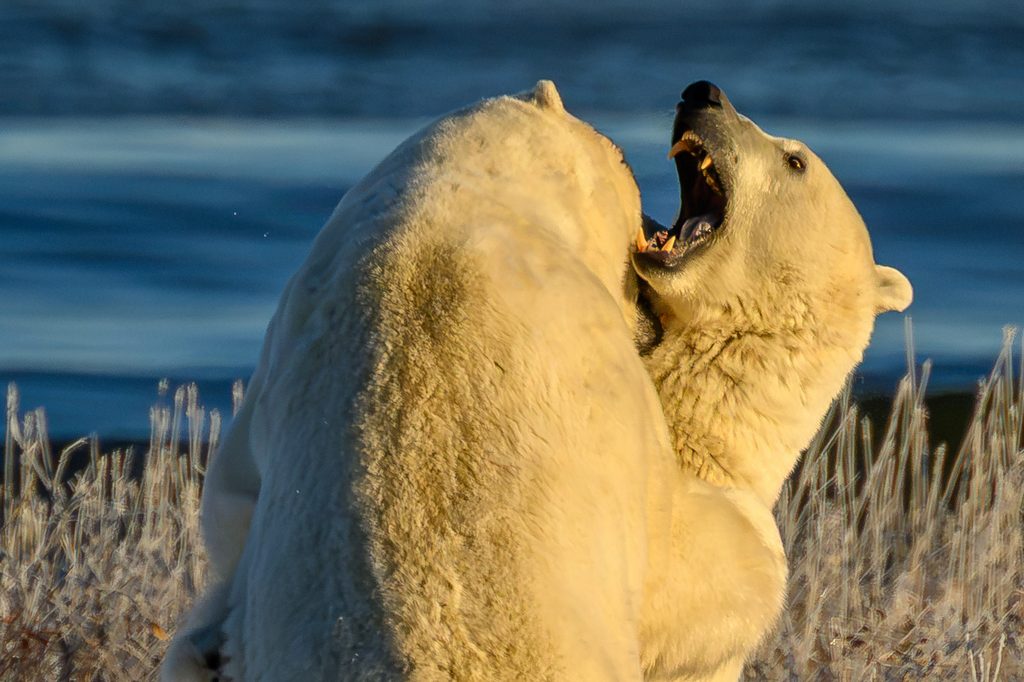
We watched mothers keeping their cubs close. We photographed males sparring while they waited for the ice. We saw bears resting, walking, and conserving energy.
The open water along Hudson Bay troubled me. These animals depend on sea ice to reach the seals that provide most of the energy they need. Watching them wait for that ice to form made the conservation concerns very real.
A polar bear doesn’t know that I love wildlife.
It doesn’t know that I want to help conservation efforts.
It doesn’t know that I plan to write articles encouraging people to care about its future.
It only experiences what I do in its presence.
That is why good intentions aren’t enough.
Then I Watched David Yarrow Discuss His Critics
After returning home, I watched an interview with fine-art photographer David Yarrow in which he addressed criticism of his wildlife photography practices.
Yarrow is an accomplished photographer whose work has attracted considerable attention and financial support for conservation causes.
But he has also faced criticism from conservation advocates over his use of captive animals, wildlife handlers, and staged encounters.
In the interview, he defended aspects of his work while acknowledging that some criticism had merit.
He discussed his past work with wolves, his decision to stop working with a particular handler, and a photograph involving a model and a famous elephant named Tim in Kenya.
He explained that the elephant photograph was made in cooperation with the Kenya Wildlife Service and under circumstances that he believed were controlled.
But he also acknowledged something important.
He had a responsibility to set an example.
Someone seeing the photograph without understanding the circumstances might believe that approaching an elephant in that manner was acceptable.
That admission caught my attention.
Yarrow also spoke about the substantial money his photography has helped raise for conservation. Yet he acknowledged that those contributions did not automatically excuse every decision he had made.
I appreciated that distinction.
I don’t know all the circumstances surrounding every photograph he has taken, and I don’t believe a short interview gives me enough information to pass judgment on every accusation.
But I found myself listening to his explanations and recognizing something familiar.
It is remarkably easy to build a convincing argument for why our own actions are justified.
We point to our intentions.
We point to the good we have accomplished.
We point to the people who approved our decisions.
We point to the results.
And sometimes those explanations are legitimate.
But sometimes they become ways of avoiding the harder question.
Was the action itself right?
Doing Good Doesn’t Give Me Permission to Do Harm
Suppose I make a photograph that raises money for polar bear conservation.
That would be wonderful.
But what if I disturbed the bear to make the photograph?
Would the money raised afterward erase that disturbance?
I don’t think it would.
A worthy outcome doesn’t automatically make every method acceptable.
The same principle applies when photographing people.
For more than four decades, I have photographed people in moments of celebration, grief, accomplishment, vulnerability, and uncertainty.
I have photographed people whose stories needed to be told.
But I have also had to consider what telling those stories might cost the people involved.
Could publishing a particular photograph embarrass someone unnecessarily?
Could a dramatic image misrepresent the truth of a situation?
Could I tell a more accurate story by including context that makes the photograph less sensational?
Could I gain someone’s trust only to use that access in a way they never reasonably anticipated?
These aren’t questions a camera can answer.
They require judgment, empathy, humility, and sometimes the willingness to walk away from a photograph.
What About My Other Relationships?
This is where the week in Churchill began changing how I thought about much more than wildlife.
I started thinking about my relationships with family, friends, clients, and the people I encounter through my work.
How often do I defend something I said because I know what I meant, without giving enough attention to how the other person experienced it?
How often do I tell myself that I was trying to help, when perhaps the other person needed me to listen?
How often do I become so focused on accomplishing something good that I overlook the effect my methods have on someone else?
I can tell myself I was acting out of love.
I can tell myself I was being honest.
I can tell myself I had the best intentions.
And all those things might be true.
But they don’t automatically mean I handled the situation well.
Just as the polar bear experiences my behavior rather than my intentions, the people in my life experience what I actually say and do.
They don’t live inside my head, where all my explanations sound perfectly reasonable.
That realization is uncomfortable.
It should be.
Relationships Are Not a Means to an End
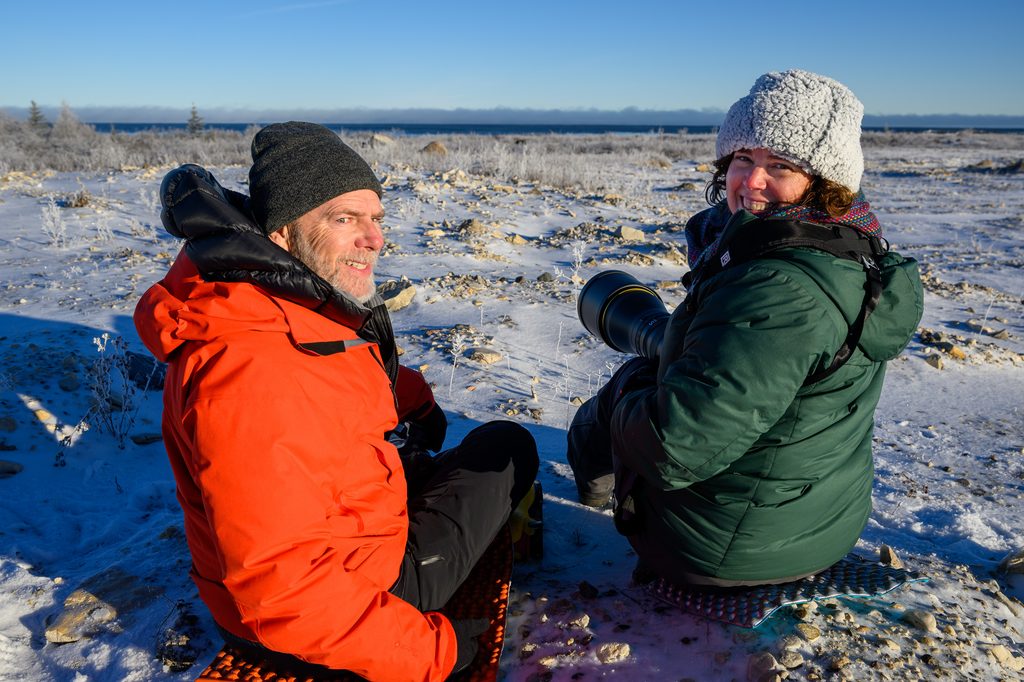
One of the greatest gifts of the Churchill trip was the time spent with people.
My friend Mark Miller made it possible for me to join him on this adventure. I am deeply grateful to Mark and Donna for their generosity.
But when I think about the trip, I don’t think only about the photographs.
I think about the conversations.
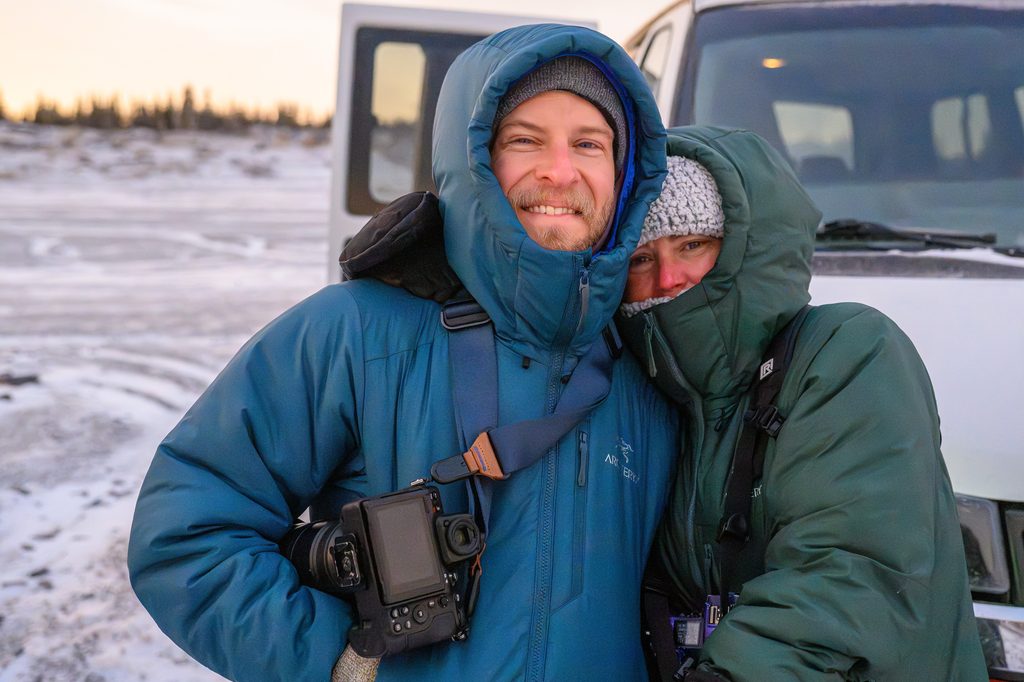
I think about the time with Kristi and Forest, the lessons from Drew and Alex, the generosity of our hosts and guides, and the friendships formed with other photographers.
The photographs are valuable.
The relationships are more valuable.
And that brings me to another ethical question.
Am I treating people as people, or am I treating them as a means of accomplishing my goals?
That question matters in communications consulting, too.
A client might hire me to help communicate an important message. I want that message to be effective. I want the photography, video, writing, and strategy to accomplish something meaningful.
But effectiveness cannot be my only measure of success.
I also need to consider whether the message is truthful, whether the people represented are treated with dignity, and whether the audience is being informed rather than manipulated.
A communications campaign can succeed by its numerical measurements and still fail ethically.
Just as a wildlife photograph can be visually extraordinary and still have been made irresponsibly.
The Danger of Being My Own Defense Attorney
I have noticed something about myself.
When someone questions a decision I have made, my first instinct isn’t always curiosity.
Sometimes it is defense.
I begin assembling the evidence that proves I was right.
I remember my good intentions.
I remember the things I did correctly.
I remember the circumstances the other person doesn’t understand.
And before long, I have constructed a persuasive case for myself.
The problem is that I am both the defendant and the defense attorney.
I am not always the most objective judge.
That is why I need people in my life who are willing to challenge me.
In Churchill, I was surrounded by people who knew far more about polar bears than I did.
Rather than relying on my experience as a photographer, I needed to listen.
I needed to ask questions.
I needed to be willing to change my behavior when I learned something new.
And I need that same willingness in every other relationship.
Maybe the most important ethical question isn’t simply, “Can I defend what I did?”
Maybe it is, “What am I missing because I am so busy defending myself?”
The Difference Between Capturing and Caring
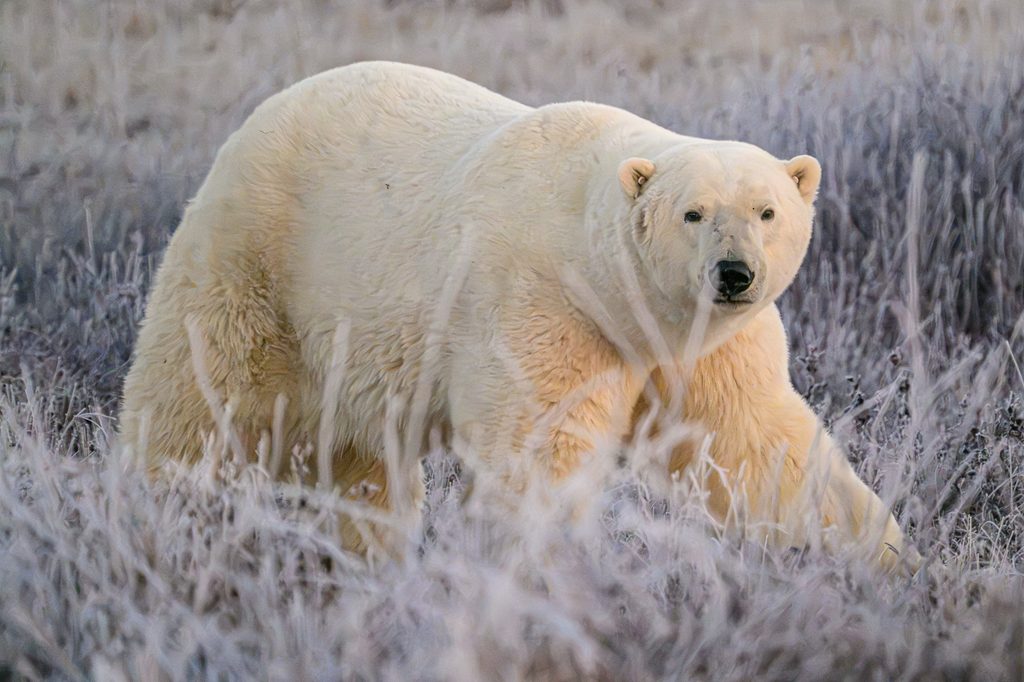
Photographers use the word capture all the time.
We capture a moment.
We capture an expression.
We capture wildlife.
But I have been thinking about how different capturing something is from caring for it.
Capturing focuses on what I get.
Caring focuses on what happens to the subject.
The best storytelling should involve both skill and responsibility.
When I photograph a polar bear, I want to create an image that helps someone appreciate an extraordinary animal.
But I also want that animal to continue its life without unnecessary interference from me.
When I photograph a person, I want to tell a compelling story.
But I also want to honor that person’s dignity.
When I work with a client, I want to help them communicate effectively.
But I also want to build trust rather than merely produce results.
And when I interact with family and friends, I want to remember that being right is not always the same as being loving.
A Lesson I Want to Carry Home
I returned from Churchill with roughly 40,000 photographs.
After reviewing and editing, I narrowed those down to about 1,550 images, including about 150 I especially liked.
That was a lot of work.
But I am beginning to think the most important thing I brought home wasn’t among those 150 photographs.
It was a question.
Am I doing what is best for the one in front of me, or am I finding reasons to justify what I want?
I don’t expect to answer that question perfectly every time.
I have spent more than four decades learning how to see through a camera. I am still learning how to see beyond myself.
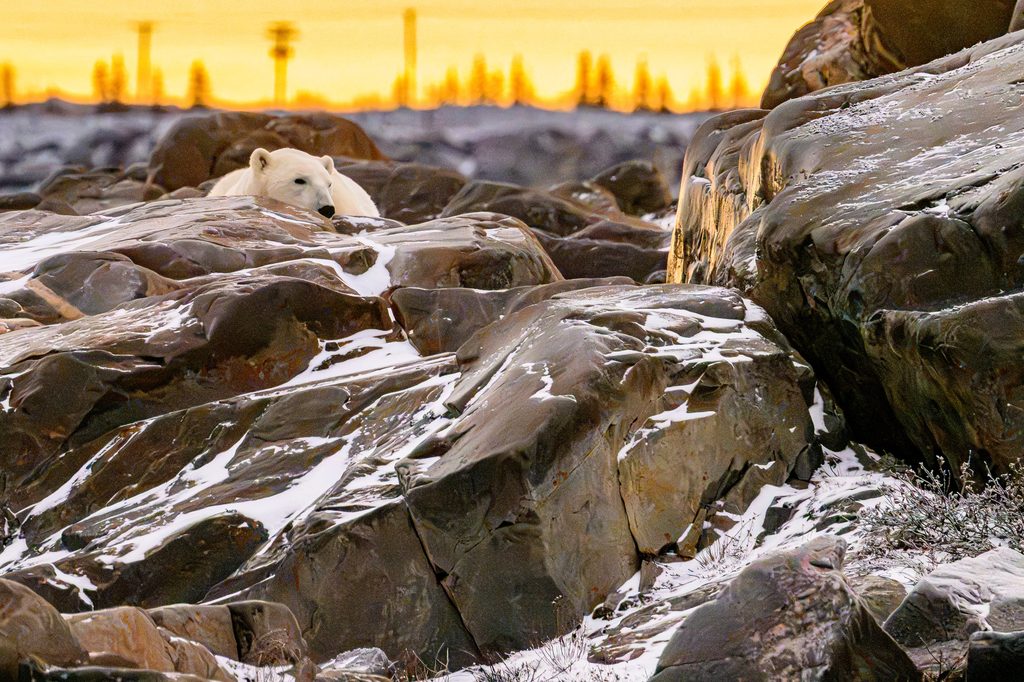
My Christian faith reminds me that loving my neighbor requires more than believing I have good intentions. It calls me to consider the other person’s needs, listen with humility, and recognize when I need to change.
That includes the people closest to me, the people I work with, and even the wildlife I have the privilege of photographing.
I am grateful to Drew Hamilton, Alex de Vries, Kristi Odom, Forest Gustaveson, and everyone who shared their knowledge during our time in Churchill.
They helped me see polar bears differently.
But perhaps the greater gift was helping me recognize that ethical storytelling begins long before I press the shutter.
It begins when I ask whose interests I am really serving.
And sometimes, the most important thing I can do is put down the camera, stop defending myself, and listen.
Because doing the right thing isn’t about how convincingly I can explain my intentions. It’s about how my actions affect the lives of those whose lives intersect with mine.