|
Getting your Trinity Audio player ready...
|
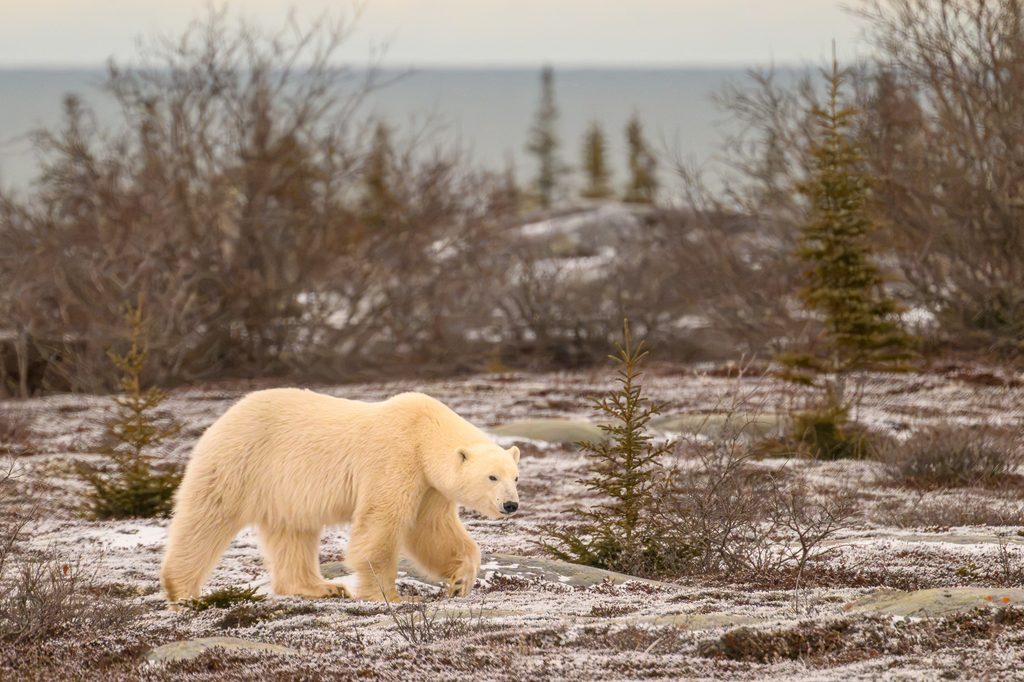
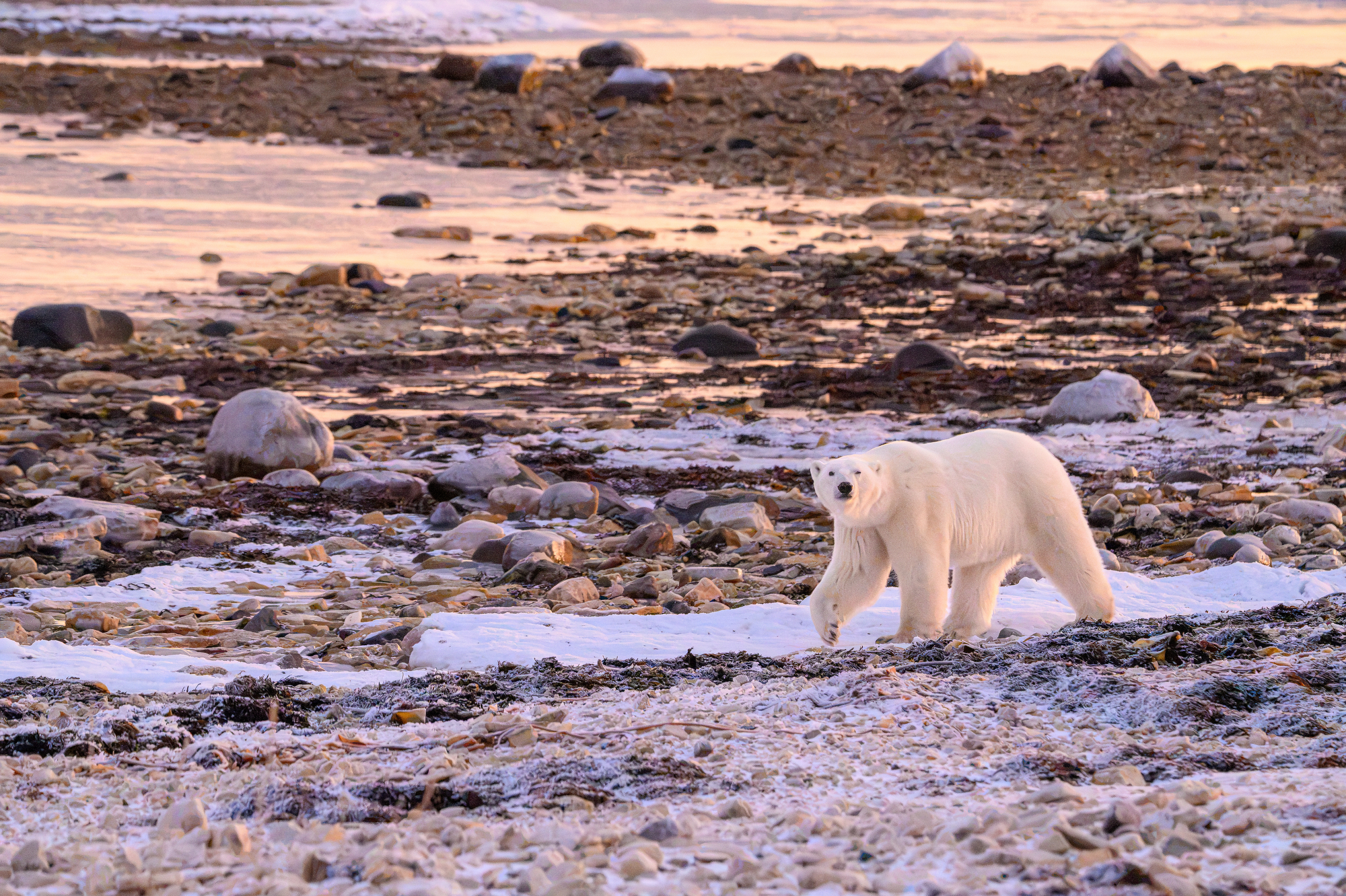
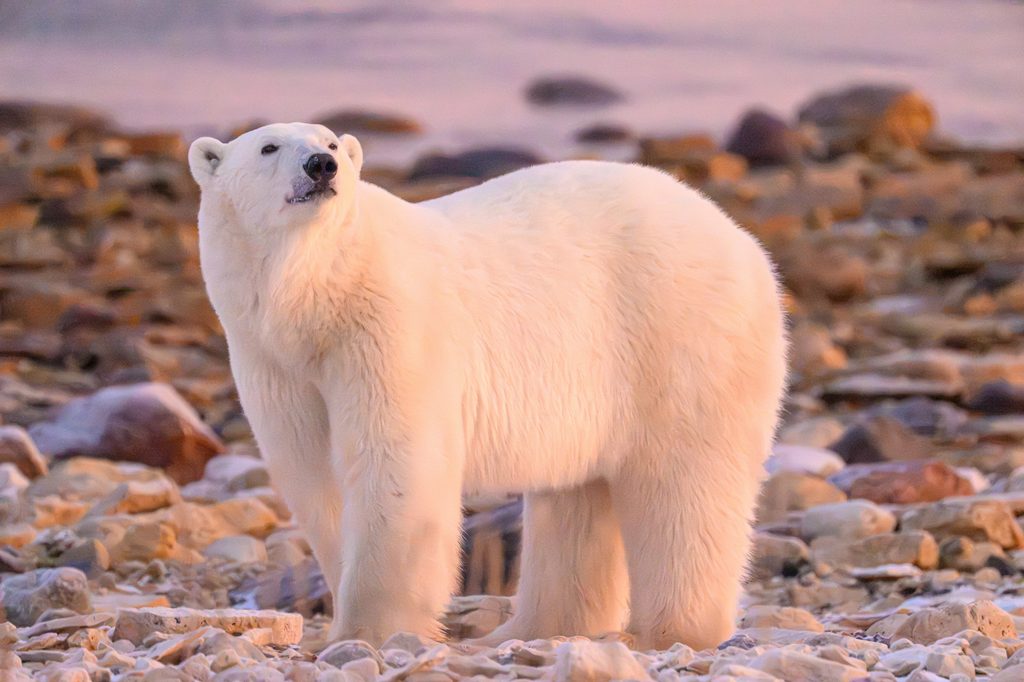
On Day 4 of Kristi Odom’s wildlife photography workshop in Churchill, Manitoba, we had fewer chances to photograph polar bears than we’d had earlier in the week. Our Discover Churchill guides told us this was closer to what they typically saw in past years. That put the first few days in perspective. We still saw polar bears, I still came away with bear photographs, and I also got to photograph a red fox.
What the bears are waiting for
Fall is a season of waiting for the polar bears of western Hudson Bay. They spend the ice-free months on land. When the bay freezes again, the sea ice gives them a place to hunt seals. A stretch of open water can look like empty space in a photograph, but it helps tell the story of why the bears are here and what they’re waiting for. Polar Bears International
That’s one of the things I’ve enjoyed about having guides who can explain what we’re seeing. If I fill the frame with a bear, you can see the details in its face and fur. If I leave room around it, you can see something of the place it depends on. Knowing a little about the bear’s year gives me a better reason to make both pictures.
What a red fox can hear
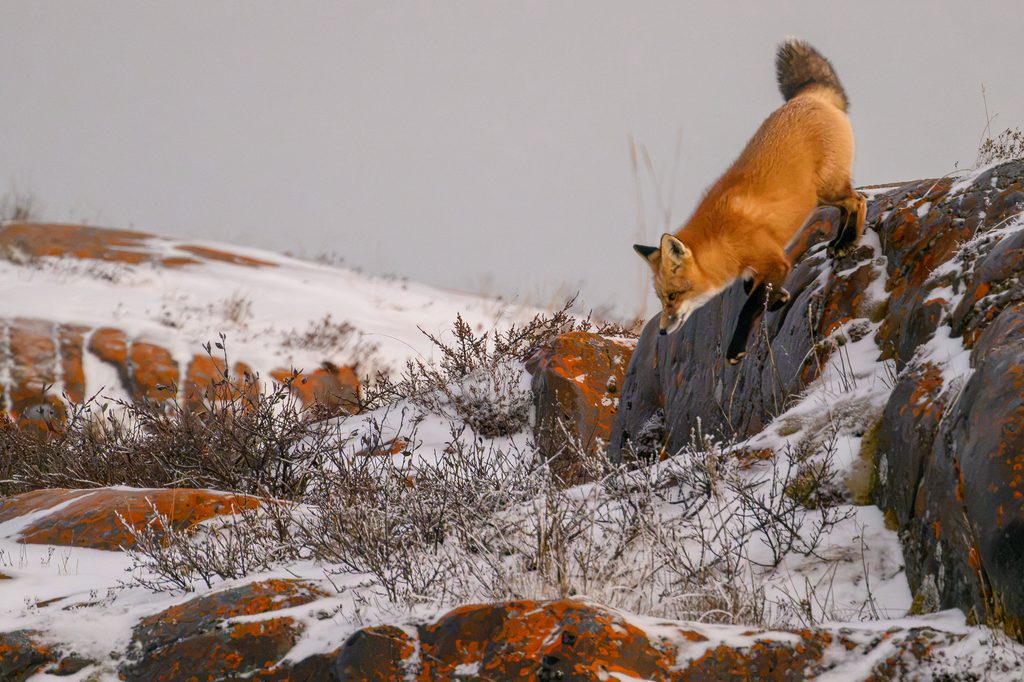
I was glad to have the red fox in front of my lens. Here’s a detail I’ll remember the next time I photograph one. A red fox can hear small rodents moving under the snow. Once it locates the sound, it can leap and plunge into the snow after its prey. U.S. National Park Service
The leap would make a great photograph, but now I’d also watch for the moment just before it. A fox standing still may be listening to something I can’t hear. Knowing that changes when I bring the camera to my eye and how long I keep watching.
I came to Churchill to photograph polar bears, and I’m grateful I got to do that again today. I’m just as glad I had the chance to spend part of the day with my camera pointed at a red fox. When I look back at these pictures, I’ll remember how much there was to pay attention to on a day we called slow.