|
Getting your Trinity Audio player ready...
|
Sometimes we stand in front of something that moves us, take a photograph, and feel disappointed when we look at it later.
We remember the experience. The photograph shows the subject. Somewhere between being there and pressing the shutter, something got lost.
The question worth asking is: What was I responding to, and did I give the viewer a way to see it?
That question connects two essential parts of photography: emotional awareness and problem-solving.
Our feelings help us recognize what deserves our attention. Our photographic skills help us communicate what we discovered.

Identify What Stopped You
Before reaching for a different lens or changing a setting, take a moment to understand your response.
What caught your attention?
Was it the tenderness between two people? The energy of a performance? The stillness of a place? Did something surprise you, concern you, or make you laugh?
Try to go beyond saying, “That looks beautiful.”
What makes it beautiful to you?
Perhaps it is the way light separates a person from the background. Perhaps it is a gesture that reveals how much someone cares. Perhaps it is the relationship between a small subject and an enormous environment.
Once you identify what stirred your response, you have something specific to photograph.
Find the Visible Evidence
In my earlier post, “Emotion Trumps Technique,” I shared photographs from the Wizarding World of Harry Potter. My daughter’s clothing and expressions, together with the surroundings, helped communicate the experience.
That example reminds me to pay attention to what carries a feeling into a photograph.
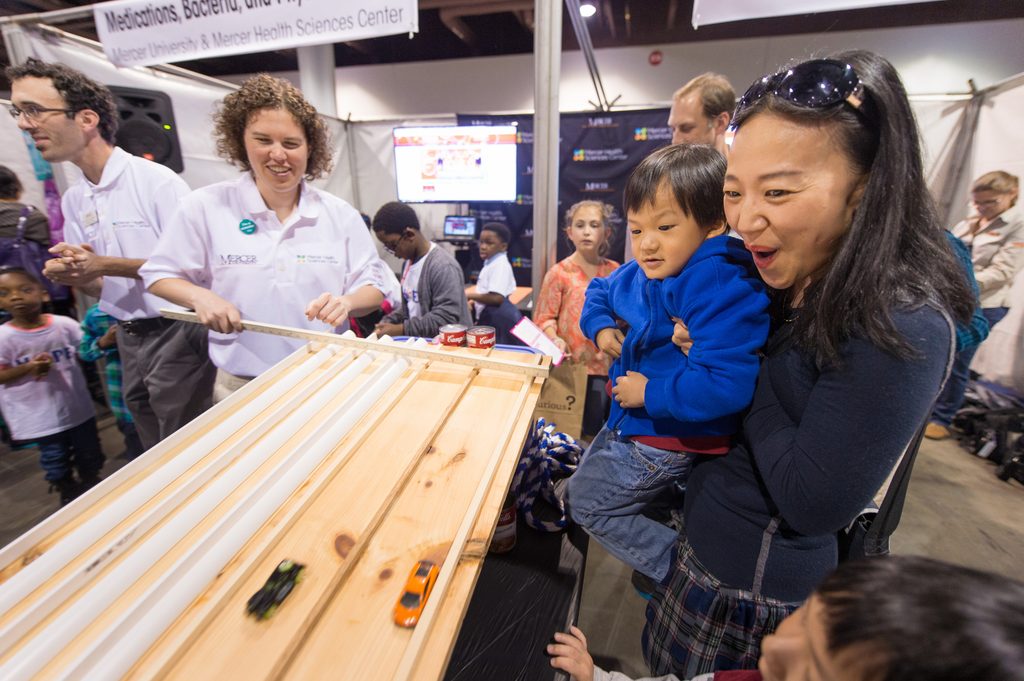
A viewer cannot hear everything I heard or bring my memories to the image. I have to consider which visible details will help someone understand the experience.
An expression might carry it. Sometimes the setting is essential. Sometimes the connection between a person and the setting gives the photograph its meaning.
The challenge is deciding what belongs in the frame.
Give Your Technical Skills a Job
Once you understand what matters, you can begin solving the photographic problem.
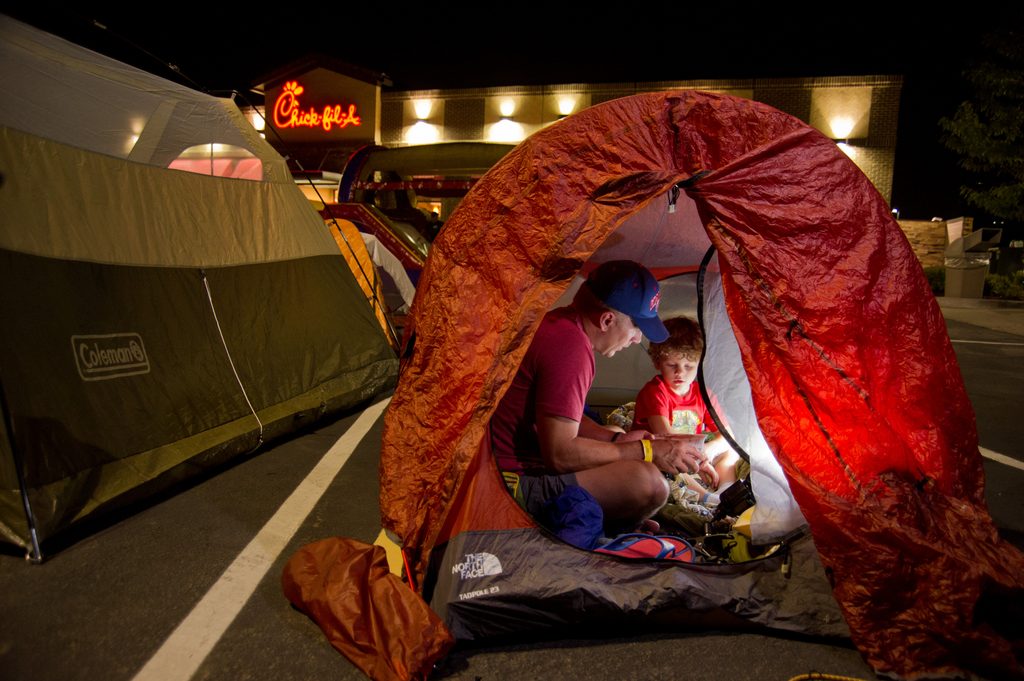
If the surroundings explain your response, how much of them should you include? If a gesture matters, where should you stand so it is visible? If movement creates the excitement, would freezing it or allowing some blur communicate that more clearly?
These are practical decisions with expressive consequences.
In that same earlier post, I showed a Hawaiian fire dancer photographed with added light. I used a gelled studio strobe, and the sky contributed to the mood.
The equipment choices affected how the scene appeared. They gave me ways to shape the photograph.
That is why I value technical knowledge. Understanding light, exposure, and composition gives us options when the first photograph does not communicate what we hoped it would.
The feeling gives us a direction. Technique gives us ways to pursue it.

Make Room to Pay Attention
There is a balance here.
We need enough command of our equipment to solve problems, while leaving ourselves enough attention to notice people.
In “KISS for Portraits,” I wrote about keeping lighting changes simple, so I could focus on expressions and build trust.
During those sessions, I make small adjustments to the background and lighting while giving the person in front of the camera more time.
A portrait can change through a slight shift in expression. Recognizing that shift requires attention. Helping someone become comfortable enough to reveal it requires a relationship.
Solving the lighting early gives me more room to listen, observe, and respond.
Keep Learning About What You Feel
Your first emotional response is a useful starting point. Stay curious about it.
You might interpret someone’s quietness as sadness, then discover they are concentrating. A scene that initially looks celebratory may hold a more complicated story.
Ask questions. Listen. Let what you learn deepen or change your understanding.
In documentary work, you have a responsibility to communicate honestly. Our feelings can guide our attention, but we still need to understand the people and circumstances we photograph.

Remember the Person Who Wasn’t There
In “Before You Pick Up the Camera: Questions That Help You Find the Story,” I explored why understanding the audience belongs in our preparation.
That matters here because the audience does not automatically share our connection to the subject.
What will someone need to see? What might require a caption? Would a wider photograph explain the situation, followed by a closer image that reveals the expression?
Sometimes a sequence provides the understanding that one photograph cannot.
We cannot guarantee that everyone will feel exactly what we felt. We can make thoughtful choices that give them an opportunity to connect.
Next time something stops you, pause long enough to name what caught your attention.
Find the details that carry that response.
Then put your photographic skills to work helping someone else see why you stopped.