|
Getting your Trinity Audio player ready...
|
I recently watched a YouTube video about wildlife photography that challenged photographers to reconsider how they present their work. The photographer described what he called the “yearbook style” of bird photography.
You know the photographs. Beautiful birds, perfectly sharp, nicely exposed, with soft, out-of-focus backgrounds. Each photograph might be technically excellent, but when you look at an entire gallery, you begin to notice something.
They all look remarkably similar.
The photographer’s point was that a gallery filled with these images can become repetitive. He encouraged photographers to vary their compositions, include more of the environment, pay attention to behavior, and think about how their images work together.
I agree with much of his advice. However, I think there is a bigger issue worth exploring, and it applies to far more than wildlife photography.
We need to understand the difference between photographing a subject, providing context, and telling a story.
These are not the same thing.
A Beautiful Subject Is Not Necessarily a Story
Wildlife photography provides an excellent example.
Imagine a photograph of a bald eagle perched on a branch. The eagle is sharp, the light is beautiful, and the background melts into a creamy blur.
It might be an outstanding photograph.
But what have we learned?
We know what the eagle looks like. Perhaps we appreciate the photographer’s technical ability, patience, and understanding of light.
Now imagine another photograph of the same eagle, this time perched above a river. We can see the landscape and begin to understand its habitat.
The second photograph gives us something the first one doesn’t.
Context.
Now imagine a series of photographs showing the eagle searching for fish, diving toward the water, catching its prey, and returning to its nest to feed its young.
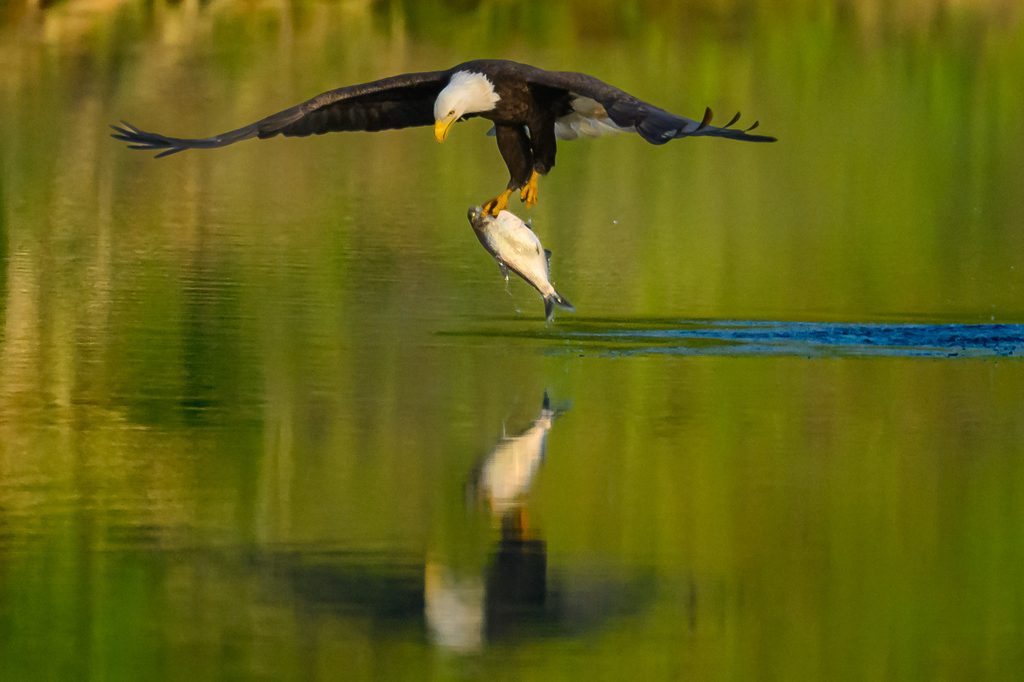
Suddenly, we are beginning to see something else.
A story.
The difference isn’t simply how much of the environment we include in the frame. The difference is how much the photographs help us understand what is happening and why it matters.
Context Is Important, but Context Alone Isn’t Storytelling
I think photographers sometimes use the word storytelling too loosely.
We hear someone describe a photograph as telling a story because the animal is small in the frame and surrounded by its environment.
That may be a wonderful environmental photograph, but it doesn’t automatically tell a story.
It establishes context.
And context is extremely important.
In visual storytelling, an establishing photograph helps viewers understand where something is happening. A medium photograph might help us understand the relationship between a subject and its surroundings. A close-up reveals details we might otherwise miss.
But a story generally requires something more.
There needs to be an event, a relationship, a change, a challenge, a consequence, or some other meaningful development.
A story helps answer questions such as:
- What is happening?
- Who or what is involved?
- Why is this happening?
- What is at stake?
- What changes or results are we seeing?
- Why should the audience care?
Not every story needs a dramatic conflict. Sometimes the story is about a relationship, a daily routine, or a behavior that reveals something important about a subject.
But a beautiful photograph set against interesting scenery isn’t automatically a story.
Context helps us understand the subject. Storytelling helps us understand what is happening to the subject and why it matters.
Variety Is More Than Changing Your Composition
One of the most important lessons I learned as a photojournalist was to look for a variety of images while working on an assignment.
If I photograph an event and return with 200 photographs with essentially the same composition, I haven’t necessarily done a good job documenting it.
I may have captured one aspect of it exceptionally well, but what else did I miss?
This is why I encourage photographers to think about different kinds of photographs before and during an assignment.
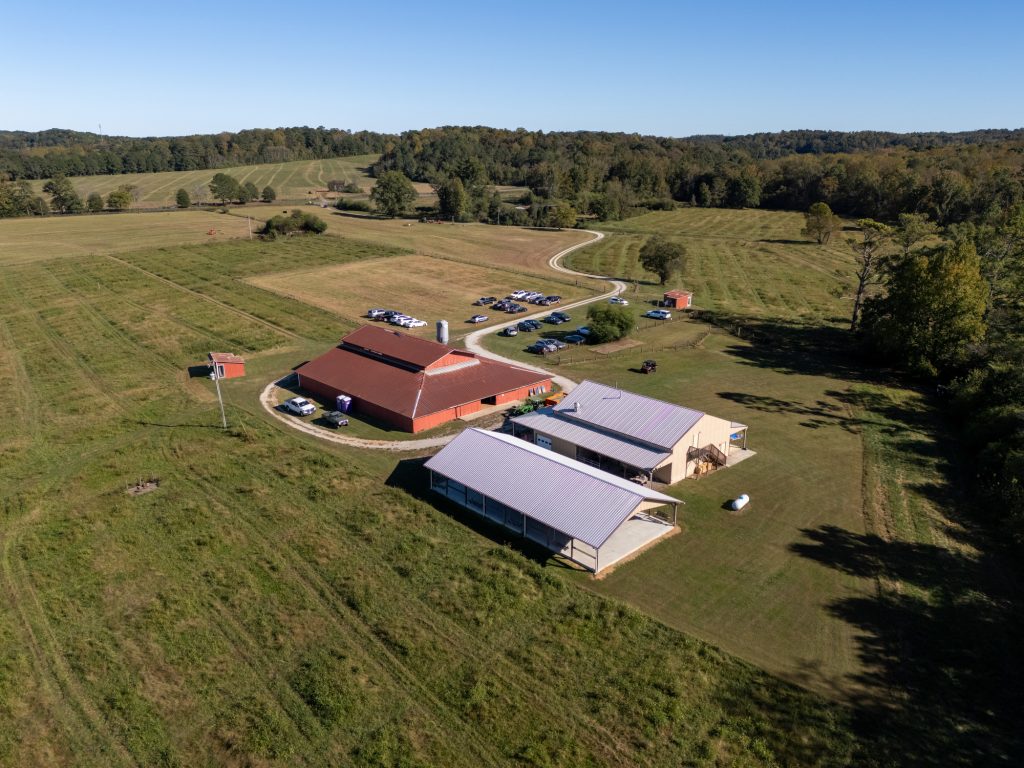
An establishing photograph shows the overall environment.

A medium photograph reveals how people, animals, or objects relate to that environment.
A close-up brings attention to details.

An action photograph captures what is happening.
A reaction photograph shows how others respond.

A relationship photograph helps us understand connections between subjects.
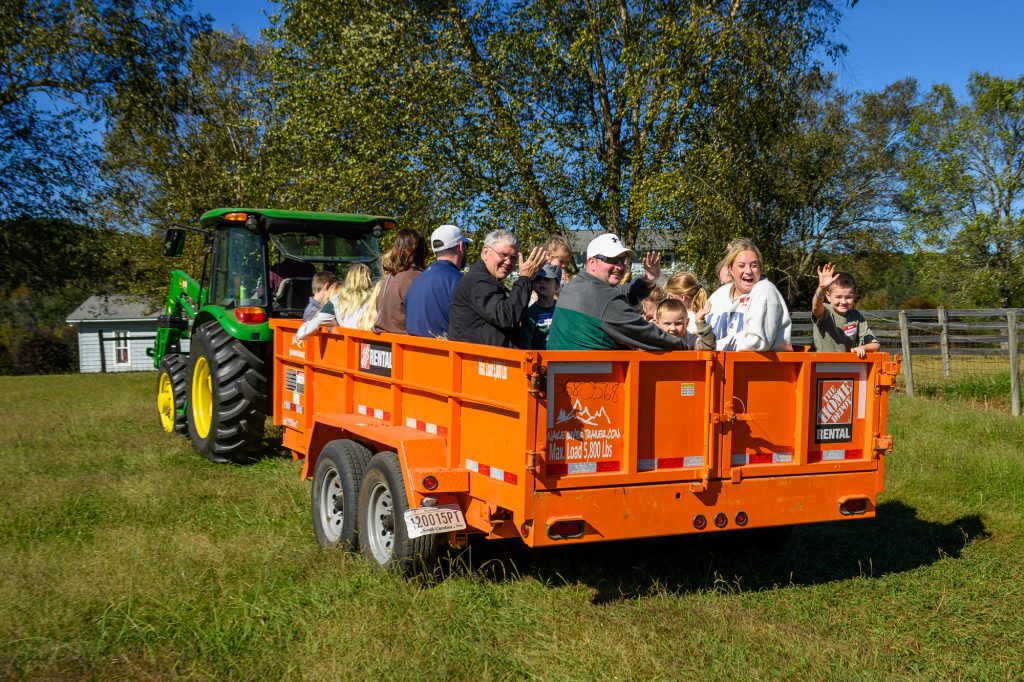
A concluding photograph can bring the visual experience to a meaningful end.
These are not simply different compositions. Each type of photograph serves a different purpose.
The same principle applies whether you are photographing wildlife, a corporate event, a wedding, a nonprofit organization, or a community gathering.
For wildlife photographers, it might mean photographing an animal’s habitat, feeding behavior, interactions with other animals, or survival challenges.
For corporate photographers, it might mean moving beyond photos of speakers at a podium to capture the audience, interactions, demonstrations, details, and moments that reveal the event’s purpose
For nonprofit photographers, it means showing more than the faces of the people being served. We need photographs that help viewers understand the organization’s circumstances, relationships, work, and impact.
Variety is not about making every photograph look different. It is about making sure each photograph contributes something different.

Tony Messano’s Advice About Portfolios
My friend Tony Messano once gave me advice that has stayed with me:
Your portfolio should demonstrate your skill set.
I think that is one of the best ways to evaluate a portfolio.
Too often, photographers select images because they personally love them. There is nothing wrong with loving your work, but a portfolio has a different responsibility.
It needs to show what you can do.
If every photograph in your portfolio is a tightly cropped portrait with a blurred background, what does that tell a potential client?
It demonstrates that you can make that type of photograph.
But can you photograph a subject in a complicated environment? Can you work with available light? Can you use artificial lighting? Can you anticipate a moment? Can you capture action? Can you communicate relationships? Can you produce photographs that work together to explain an event?
Your portfolio should help answer those questions.
This doesn’t mean a wildlife photographer needs to include corporate headshots, or a portrait photographer needs to include sports photography.
It means that within your specialty, you should demonstrate the range of skills necessary to do the work well.
A wildlife portfolio might demonstrate patience, timing, behavior, environmental composition, action photography, and an understanding of light.
An event photographer’s portfolio might demonstrate lighting, anticipation, composition, storytelling, and the ability to work under changing conditions.
A portfolio is not simply a collection of beautiful photographs.
It shows what you can consistently deliver.
A Portfolio and a Photo Story Are Not the Same Thing
This distinction is especially important.
A portfolio is generally organized around the photographer’s abilities.
A photo story is organized around the subject and what the audience needs to understand.
That changes how we select photographs.
When building a portfolio, I might choose an image because it demonstrates my ability to use dramatic lighting or capture a decisive moment.
When editing a photo story, I might choose a quieter photograph because it reveals an important relationship or provides information necessary for understanding the story.
Sometimes the photograph that contributes the most to a story isn’t the photograph that would win a competition.
And sometimes the most visually impressive photograph adds very little to the story.
That is why photographers need to understand the purpose of the photographs before they begin editing.
Are you demonstrating your skills?
Are you documenting an event?
Are you helping an audience understand a subject?
Or are you telling a story?
The answer should influence which photographs you make and which ones you ultimately share.
Shoot for Variety Before You Edit for Variety
One problem photographers face is discovering they don’t have enough variety when they sit down to edit.
You cannot select a photograph you never made.
If you shot every photograph with a long telephoto lens, isolating your subject against a blurred background, you cannot suddenly create meaningful environmental photographs in postproduction.
You have to recognize the need for those photographs while you are still in the field.
This requires intentional thinking.
When I photograph an assignment, I need to keep asking myself what is missing.
Have I shown the overall scene?
Have I photographed the important details?
Have I captured the relationships?
Have I shown what people are doing rather than simply what they look like?
Have I captured reactions?
Do my photographs help someone who wasn’t there understand what happened?
These questions keep me from becoming so focused on one type of photograph that I overlook everything else.
The goal isn’t to mechanically check off a list. It is to remain curious about the subject and aware of what the audience still needs to see.
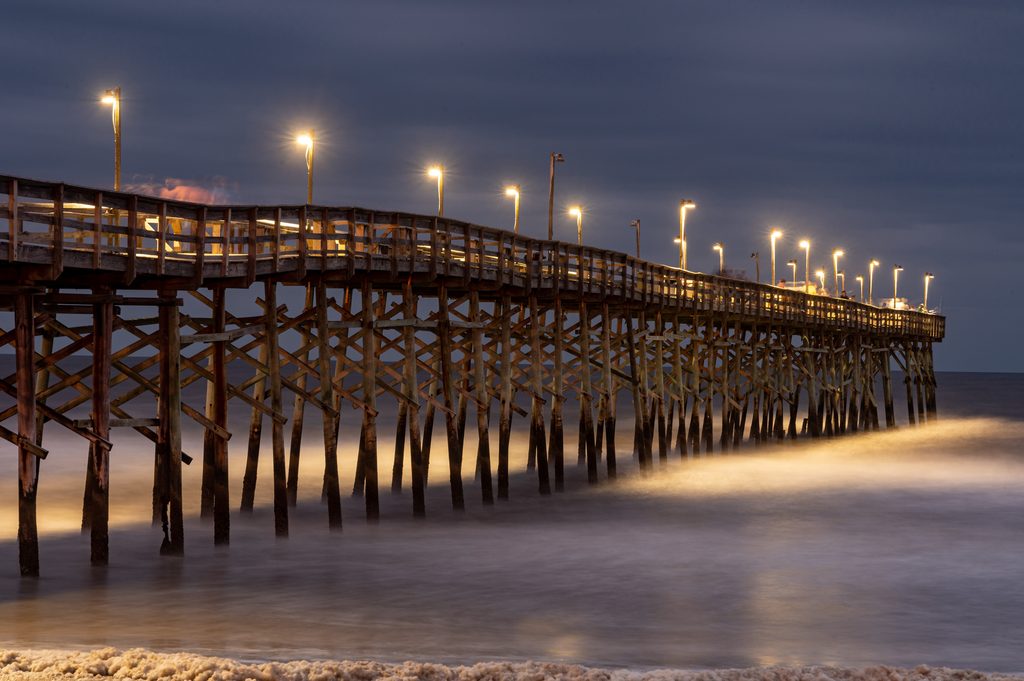
Repetition Can Be a Style, but It Can Also Be a Limitation
There is another important distinction.
Consistency in a photographer’s work can be a strength.
Some photographers develop a recognizable visual style through their use of lighting, composition, color, or perspective.
That can become part of their identity.
The YouTuber even pointed to a wildlife photographer whose tightly framed bird portraits work beautifully as a collection because of their distinctive expressions, colors, and visual consistency.
That reminds us that repetition isn’t automatically bad.
But we need to distinguish between an intentional artistic approach and a limited skill set.
If a photographer creates a series of similar portraits because that approach serves a particular artistic vision, that is one thing.
If every photograph looks the same because the photographer doesn’t know how to approach the subject differently, that is another.
A recognizable style should be a creative choice, not the boundary of your abilities.
Think About What the Audience Needs, Not Just What You Like
One challenge of photography is that we often become emotionally attached to our images.
We remember the difficulty of getting the photograph, the hours of waiting, the equipment we used, or the excitement of finally capturing the moment.
But the audience doesn’t have those memories.
They only see what we show them.
A photograph of a rare bird may represent an extraordinary achievement to someone who understands how difficult that species is to find.
To another viewer, it may simply look like another bird.
That doesn’t diminish the photograph’s value. It reminds us that sometimes the audience needs additional context to appreciate what they are seeing.
That context might come from another photograph, a caption, or a written explanation.
Words and photographs can work together.
As a writer and photojournalist, I have learned that photographs don’t have to communicate everything on their own. Sometimes a well-written caption provides essential information that the camera cannot reveal.
Sometimes a series of photographs can communicate relationships and developments that are hard to explain in a single frame.
The important thing is to think about the audience rather than assuming everyone understands what we experienced.

The Real Challenge: Move Beyond the Subject
I believe the larger lesson for photographers is to move beyond simply recognizing a beautiful subject and making a technically excellent photograph.
Technical excellence matters.
Sharpness matters.
Exposure matters.
Composition matters.
But those skills are the foundation, not necessarily the final destination.
The next challenge is learning to see the subject in a larger context.
What surrounds it?
What relationships exist?
What behavior is taking place?
What details help us understand it?
And is there a story worth telling?
The more curious we become about our subjects, the more possibilities we begin to see.
That curiosity often leads us to change lenses, move our feet, wait for a moment, look in another direction, or make a photograph we hadn’t originally planned.
It also helps us build stronger portfolios because we start demonstrating a broader range of abilities instead of repeating the same successful formula.
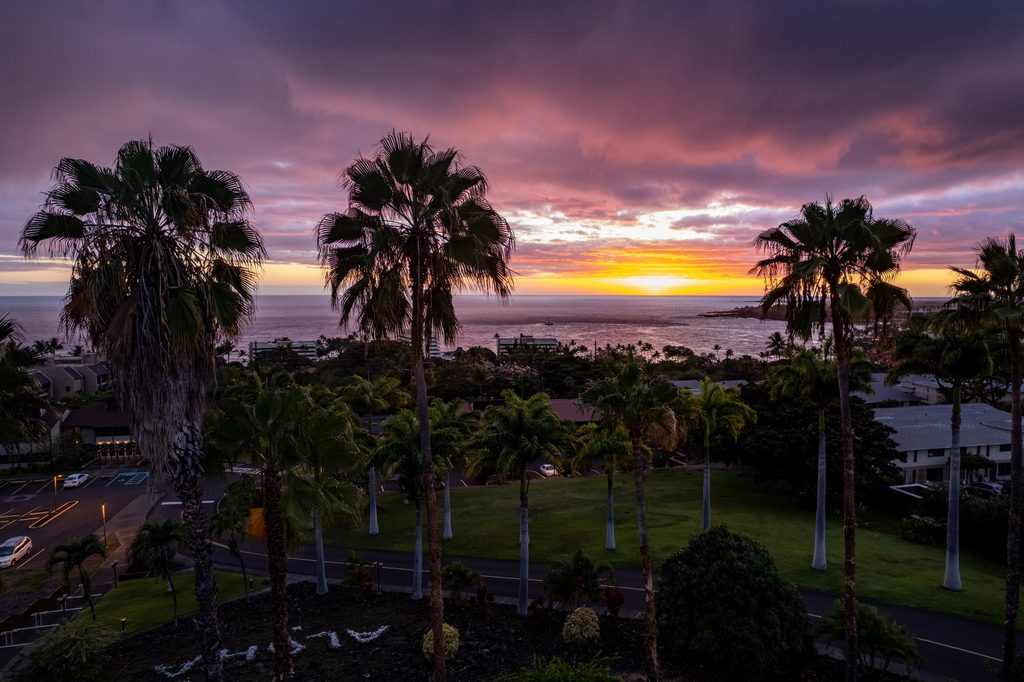
What Does Your Collection of Photographs Really Show?
I wrote about portfolio development in my earlier article, Creating a Portfolio.
Tony Messano’s advice provides a useful test for that process.
Look through your portfolio and ask yourself whether it demonstrates your skill set or merely your favorite way of photographing.
Then look at the next event, wildlife encounter, or assignment you photograph.
Ask whether you are giving your audience a variety of images that help them understand what they are seeing.
A beautiful close-up can be valuable.
An environmental photograph can provide context.
A carefully selected sequence can communicate a story.
And a strong portfolio can demonstrate that you know when and how to create each of them.
The goal isn’t simply to show that you saw something beautiful. It is to demonstrate that you understood what you were looking at—and knew how to communicate that understanding to someone else.