|
Getting your Trinity Audio player ready...
|
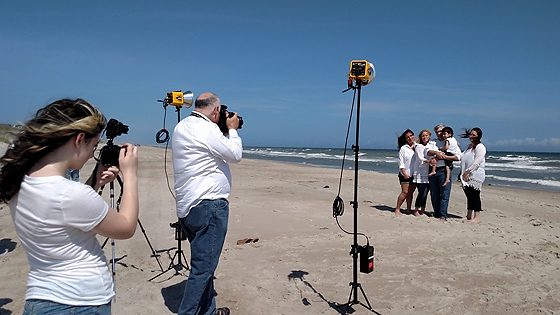
Caption: Stanley is photographing Julie Gavillet while teaching clamshell lighting in the School of Photography with YWAM Kona, [photo by Dennis Fahringer]
Acknowledging photographers strengthens relationships and shows appreciation for their creative contributions.
Photography plays an important role in how organizations tell their stories.
Whether it’s a community festival, charity fundraiser, church gathering, or nonprofit event, photographs help organizations celebrate accomplishments, recognize volunteers, and share their work with a larger audience.
Sometimes organizations hire professional photographers to document these events. Other times, photographers attend on their own initiative, capture moments they find meaningful, and share those photographs on social media.
Both situations produce photographs that can benefit an organization, but expectations around their use can differ.
One small detail deserves more attention: crediting the photographer.
When Photography Is a Gift
As a professional photographer, I understand that photography is both a creative service and a business.
When clients hire me, we establish the terms for using the photographs. In many cases, those terms include unrestricted usage without requiring a photo credit. The client is paying for that arrangement.
But I also enjoy photographing events simply because I believe they’re worth documenting.
Sometimes I attend an event without being hired, photograph what interests me, and share the images on my own social media pages.
I do this because I believe photography can contribute something meaningful to the community.
When organizations discover these photographs, they may want to share them with their own audiences.
That’s understandable. Good photographs help tell their stories.
But when photographs are reused, acknowledging the photographer is an important courtesy.
The Difference Between Sharing and Republishing
Social media makes sharing photographs incredibly easy. Unfortunately, that convenience can also blur the distinction between sharing someone’s work and republishing it.
For example, Facebook allows users to share an existing public post. This can preserve the connection to the original photographer and their page.
Downloading a photograph and uploading it as part of a new post is different.
The new post may no longer identify who created the image.
Permission and Photo Credit Are Two Different Things
Another important distinction is worth making.
Sometimes I have an established relationship with an organization and have shared photographs with them in the past. If I attend one of their events and tell them I’ll share my photographs, I understand that they may use those images as we have done before.
In those situations, my concern isn’t whether they had permission to use the photographs. I’ve already given them reason to believe they can. My expectation is simply that they acknowledge who created them, unless we’ve agreed otherwise.
That’s different from an organization finding photographs online, downloading them, and republishing them without the photographer’s permission.
Photographers own the copyright to the photographs they create, and posting an image on social media doesn’t automatically give others permission to download and republish it. Using photographs without authorization can raise copyright infringement issues.
Permission to use a photograph and crediting the photographer are two separate matters.
My goal in raising this subject isn’t to turn every photo credit into a legal discussion. It’s to encourage organizations to understand the difference and treat photographers’ contributions with respect.
This doesn’t necessarily happen because someone intends to take credit for another person’s work. Often, people don’t think about attribution.
But photographers notice.
A good practice is to share the original post whenever possible. If an organization wants to download and republish photographs, it should first ask permission and clarify how the photographer should be credited.
A photo credit doesn’t replace permission, but it is an important part of respecting the creator.
Why Recognition Matters
Think about how organizations acknowledge other contributions.
When a restaurant provides food for a fundraiser, the organization may thank the restaurant publicly.
When a business sponsors an event, its logo may appear on promotional materials.
When volunteers contribute their time, organizations often recognize their efforts.
These expressions of appreciation help strengthen relationships.
Photography deserves similar consideration.
A photographer may contribute professional equipment, experience, time, editing, and creative judgment to produce images that help an organization communicate its mission.
Those contributions have value, even when the photographer chooses not to charge for them.
A simple photo credit recognizes that value.
It also helps others discover the person who created the photographs.
Credit Is Not the Same as Compensation
I want to make an important distinction.
Professional photographers cannot build sustainable businesses on exposure alone.
A photo credit doesn’t replace payment, and photographers shouldn’t be expected to provide professional services for free just because an organization promises to mention their names.
However, photographers sometimes choose to contribute their skills to organizations or events they care about.
When they do, recognition can meaningfully express appreciation.
In my own business, I often allow paying clients to use photographs without credit because that is part of our agreement.
However, when I photograph and share community events independently, I appreciate acknowledgment when organizations receive permission to republish those images.
The difference isn’t about demanding attention.
It’s about recognizing the contribution.
A Simple Guide for Organizations
If you help manage social media, communications, or publicity for an organization, here are a few practices worth considering:
- Share the original post when possible. This helps preserve the connection to the photographer.
- Ask before downloading and republishing photographs. Publicly visible photographs aren’t automatically available for unrestricted use.
- Give credit when permission is granted. A simple “Photography by [Name]” or a tag to the photographer’s professional page can make a difference.
- Preserve credits when passing photographs to others. If another volunteer or staff member will publish the images, make sure they know who created them.
- Thank photographers who contribute their work. Just as you recognize other volunteers and supporters, acknowledge the people helping tell your story visually.
These small actions communicate respect and appreciation.
Building Relationships That Last
Organizations thrive on relationships.
Volunteers, donors, sponsors, staff members, and community supporters all contribute to their success.
Photographers can be part of that community, too.
When an organization acknowledges someone who contributed photographs, it communicates more than appreciation for the images themselves.
It says the organization values the person who created them.
That kind of recognition builds goodwill that can last long after an event.
I photograph community events because I enjoy documenting people, relationships, and meaningful moments.
I want people to see and appreciate those photographs.
I also hope organizations remember that someone took the time to create every photograph.
A photo credit is a small gesture, but it can make a big difference in how we recognize and value one another’s contributions.