|
Getting your Trinity Audio player ready...
|
Disclaimer: I have been researching how to write more effective story-oriented captions that remain journalistic. This is some of the research I have done. If you were to grade my caption writing at the moment, I think it is a passing grade at best. I hope what I have found helps not just you but me in the future to write better captions.
If you Google how to write a caption, you will find similar guidelines often based on the Associated Press model.
This is from the guidelines I got from Mark E. Johnson for teaching Intro to Photojournalism.
Good captions have five basic elements
Who?
What?
Where?
When?
Why?
The first sentence must have the first four items: who, what, where, and when. The second sentence explains why this photo is essential to the viewer. Quotes can be used in the second or third sentence if they help advance understanding of the image.
All captions are written in AP style – names, titles, dates, locations, etc. – and in the present tense.
The standard comments on length are often like this:
Keep it brief: You do not need to summarize the entire story in the caption; it should supplement or complement the story. If the caption is as deep as the photo, it’s too long! Please keep captions to a couple of lines.
The caption must do more when it accompanies only a photo and is not part of a story. It needs to tell the story.
Monetization is what is driving many of the changes in journalism today. One topic that is increasingly discussed is your engagement score in analytics, which helps determine whether the audience is reading your stories.
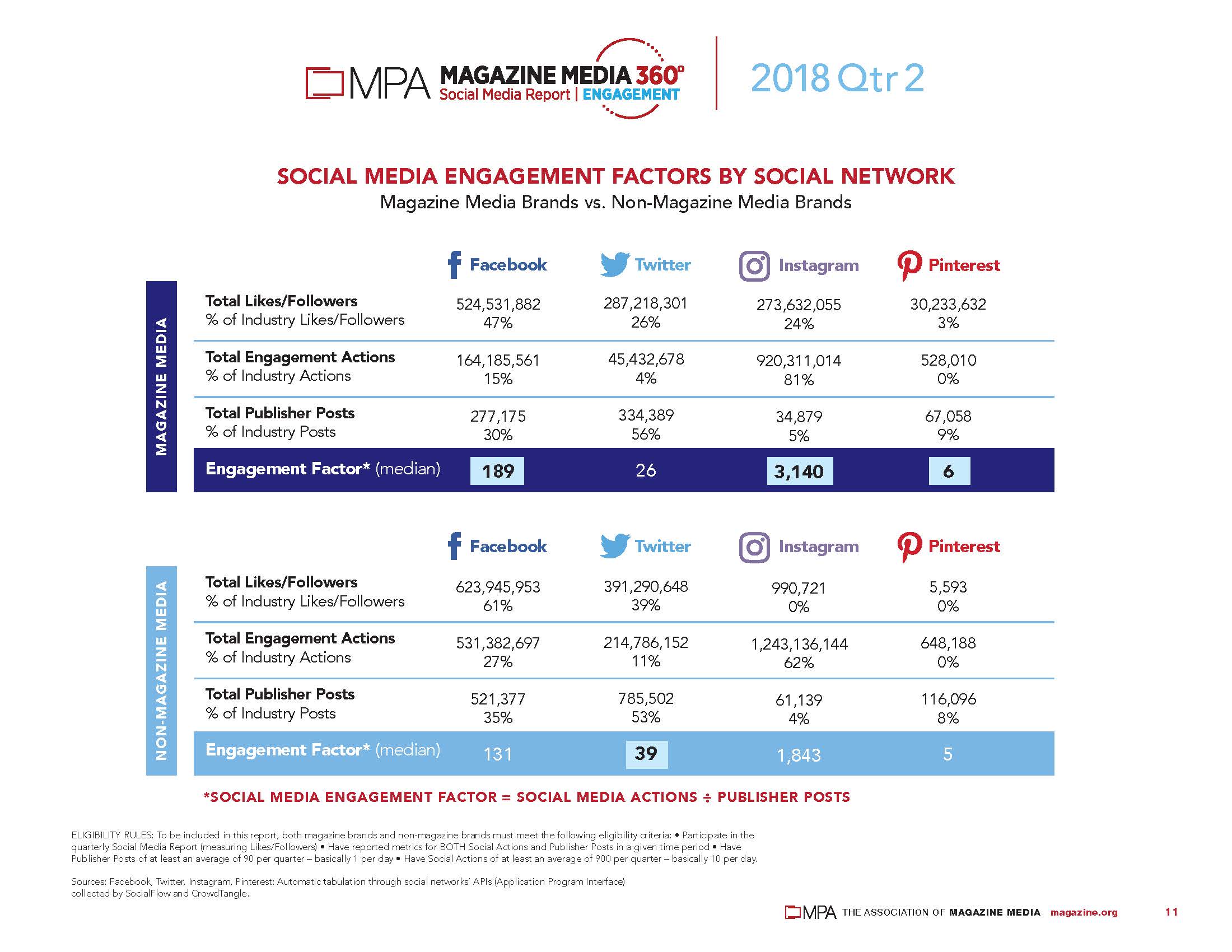
As shown in this chart, Instagram accounts for the highest number of actions by far among the four networks measured, but the fewest posts. In part, Instagram’s higher engagement rates are due to the increased use of visuals and small, user-friendly response icons.
This means that right now, the best way to tell stories to an audience is through Instagram.
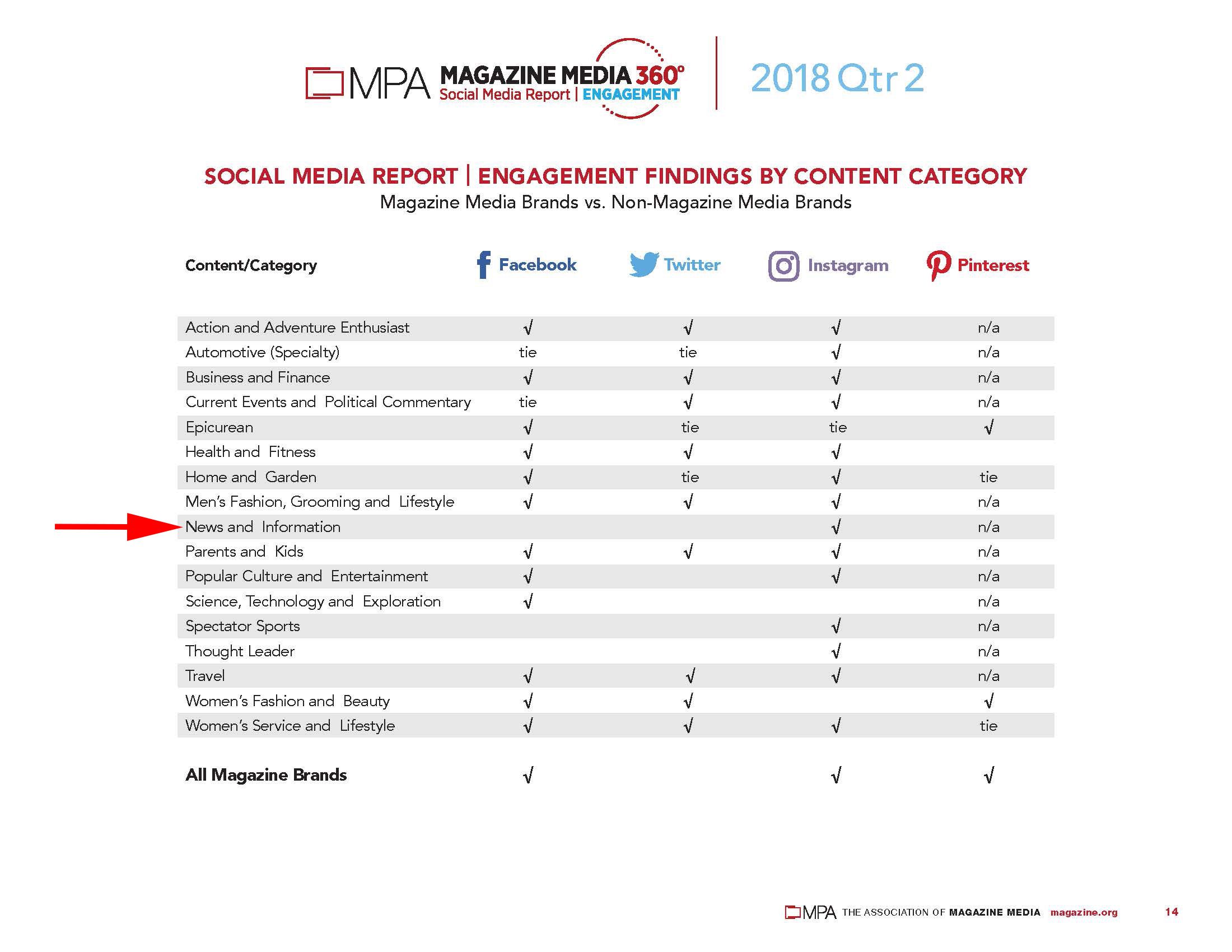
If you are a News Outlet wanting to leverage Social Media, according to THE ASSOCIATION OF MAGAZINE MEDIA, only Instagram will work.
If you are working hard on a story and want the most eyes on it, then Instagram is one of the best platforms today.
I must be sincere and say that I was blown away by Brandon Stanton’s Humans of NY Instagram feed regarding how many followers he has acquired.
Notably, Brandon started by posting on Facebook and still does. He has 18 million followers on Facebook.
Here is a video of Brandon Stanton, in which he describes how he collects stories from people on the streets of NY and now around the world. I am sharing this because many of the students I teach read my blog and learn how to tell stories. This is great for learning to meet people, take photos, and find their stories.
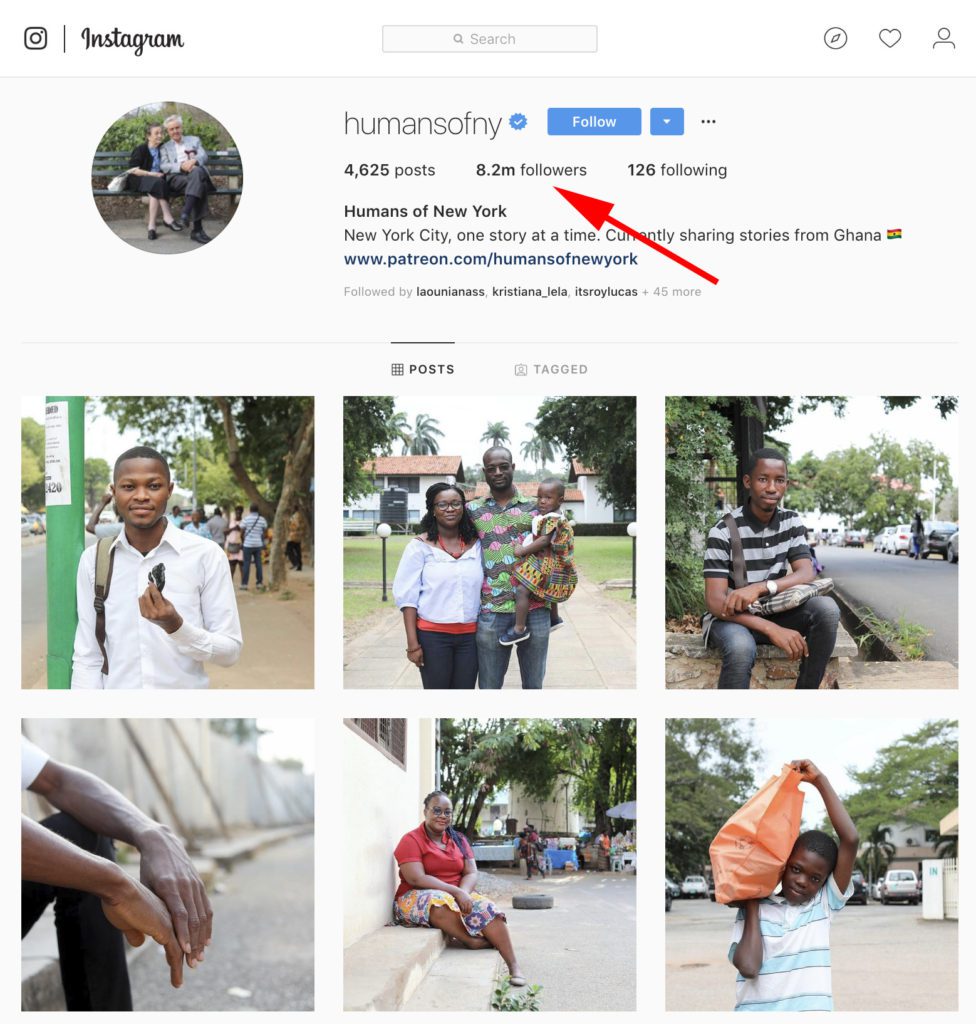
Stanton now has 8.2 million followers. This is a crazy number for sure. Stanton’s website www.humansofnewyork.com has 18 million followers. Be sure to see how Stanton writes his captions today.
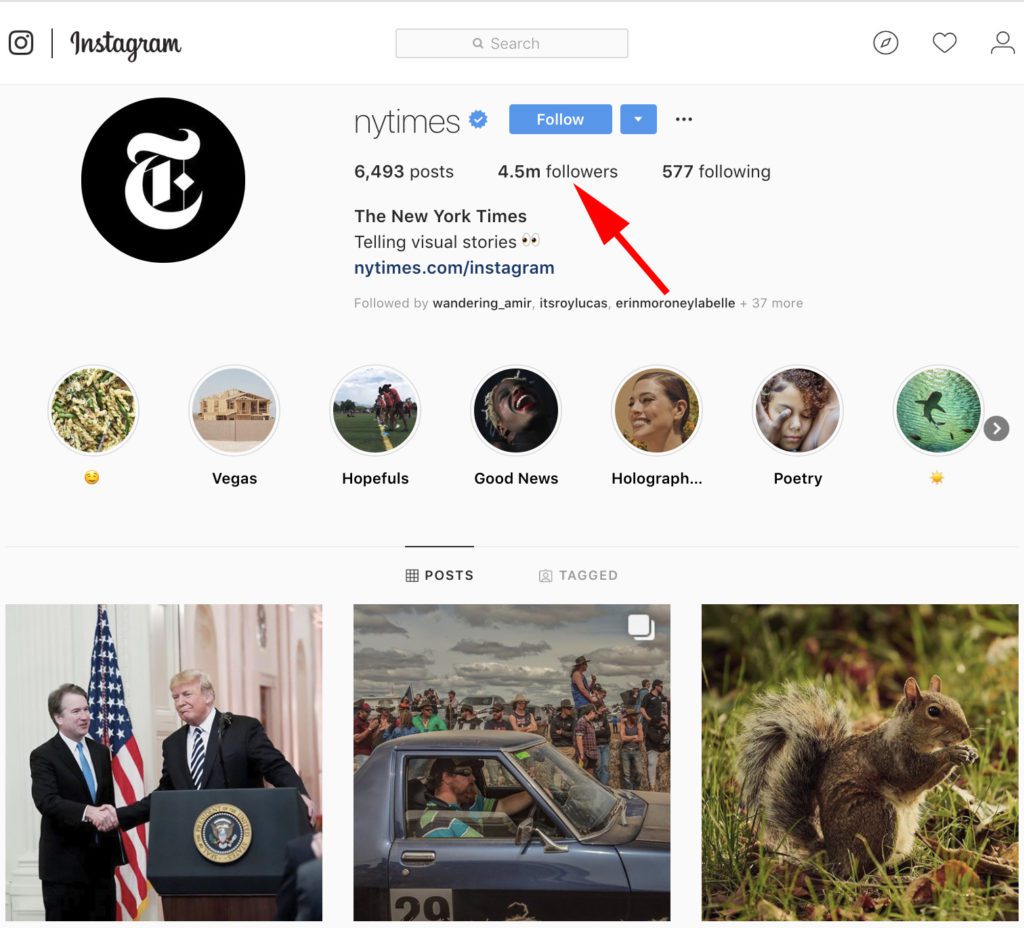
To give you some context, his numbers are DOUBLE that of the New York Times. Brandon Stanton has more followers than the New York Times. The New York Times has long been regarded as a national “newspaper of record.” Having a larger following than theirs is substantial. This is why I wanted to study what he does and how I can better engage my audience.
Brandon was doing this all through the caption.
I wanted to know how to write engaging journalistic captions that tell stories with my photos going forward.
Good Instagram captions come in all shapes and sizes, from short and sweet to more extended, in-depth stories (Instagram captions can be as long as 2200 characters), which is enough to tell a short story with a photo.
The idea is that you can also add more photos to this post, but you remain limited to 2200 characters.
Here are some tips I have encountered in many places, so I think they are now common knowledge.
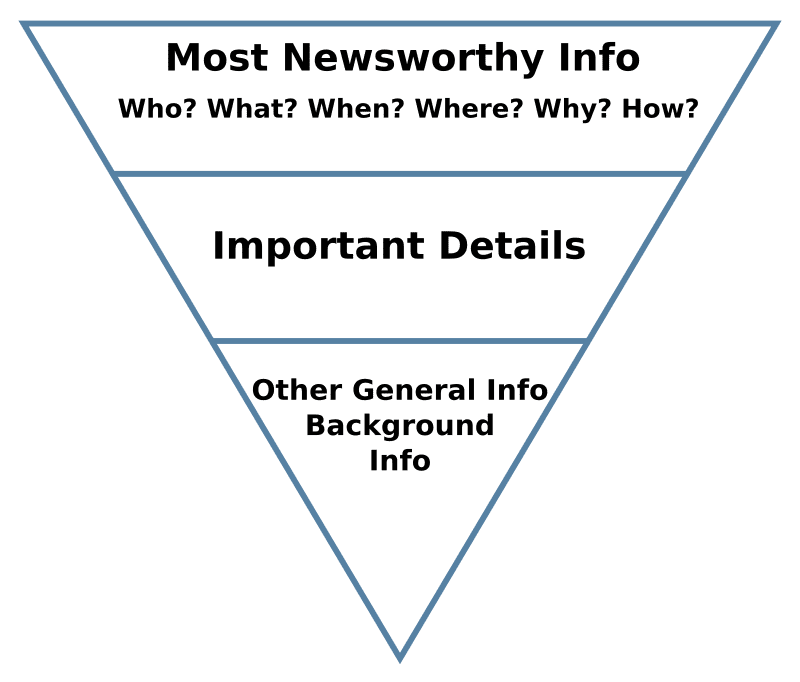
I think the general rule in social media is to use the inverted pyramid of writing style.
Another way to begin on social media is the “anecdotal lead,” which opens with an eye-catching anecdote rather than the central facts.
When I teach how to create a multimedia piece [which is a video] for social media, we teach that the first 4 to 8 seconds you need to hook the audience. We often used something so different for those 4 to 8 seconds as a tease and would go to black to start the story.
You can still be journalistic in your writing, but you need to engage the reader with something that will keep them reading. I think you are writing in a more engaging style, but do not go so far as to lose journalistic credibility.
One difference from Instagram is that readers can comment, provided you have that enabled for your posts. This has introduced a new element for caption writers—the call to action.
The simple act of including a call to action in your Instagram caption and inviting your audience to comment or engage can go a long way in driving more engagement on your posts.
The idea is that you are creating a following. This is very similar to getting subscribers.
You should also consider turning your call-to-action into a question, using the 5 W’s (who, what, where, when, and why) to encourage your followers to comment!
Aside from the apparent tips on proper grammar and spelling, brand voice is an essential component of any effective Instagram caption. Many journalists follow the AP Style Guide. Some organizations, such as NPR, have their own captioning style guide.
Hashtags
When adding hashtags to your Instagram caption, please don’t limit yourself to keeping them at the end! Integrating hashtags throughout your post adds dimension to your caption, and since hashtags are a different color on Instagram, the right hashtag can also highlight and contextualize your content.
Hashtags help organize and categorize photos and video content, thereby aiding content discovery and optimization.
For example, a sports blogger could post an action shot and use the hashtags #actionphoto, #actionphotography, and #championship when uploading to Instagram.
Instead of using the most popular Instagram hashtags, it’s better to use the top hashtags that have an engaging community and are specific to your audience.
How are you supposed to find these innovative, creative, and community-oriented hashtags? The best way is to examine which Instagram hashtags your audience, competitors, and industry leaders are already using.
One final tip about #Hashtags: keep them to 5 or fewer. That might change, but the algorithms Instagram uses to put your post higher in feeds will ding you if there are too many right now.
What about legit Journalism on Instagram?
You may be interested in how prominent news outlets write stories to accompany their photos on Instagram. I know I was very curious.
Here are some mainline media Instagram feeds.



Today, I believe one of the best places for photojournalists to publish the stories they want to tell is on Instagram. To do so, these journalists will have to change how they write their captions.
I hope this helps you consider how to engage your audience with the 5 Ws and limit the text to 2200 characters.
Here are some photojournalists worth following on Instagram.
An American photojournalist, Lynsey, takes us through the raw nooks and corners of the world through her photographs, creating a visually pleasurable experience that allows us to witness the world through her eyes.
Documenting the ongoing mayhem in Syria, Kashi, a photojournalist, filmmaker, and lecturer, through his Instagram, portrays the world of Syrian refugees, oozing emotions and getting us up close and personal with their misery, amongst others.
As his bio reads, ‘Stories not selfies,’ this storyteller has embarked on a journey to take us into the naked world, presenting the beauties and flawless imperfections through these photographs.
Overwhelmed by emotions, hues, and drama, Olson presents his perspective on the world through spectacular visuals.
Because impacting lives matters, Gary helps organizations tell their stories visually. He has covered humanitarian stories in more than 70 countries worldwide, assisting groups in raising awareness, articulating their vision, and building their communities. You can trust him to bring an honest, photojournalistic approach to your commercial, corporate, editorial, or non-profit assignments.